
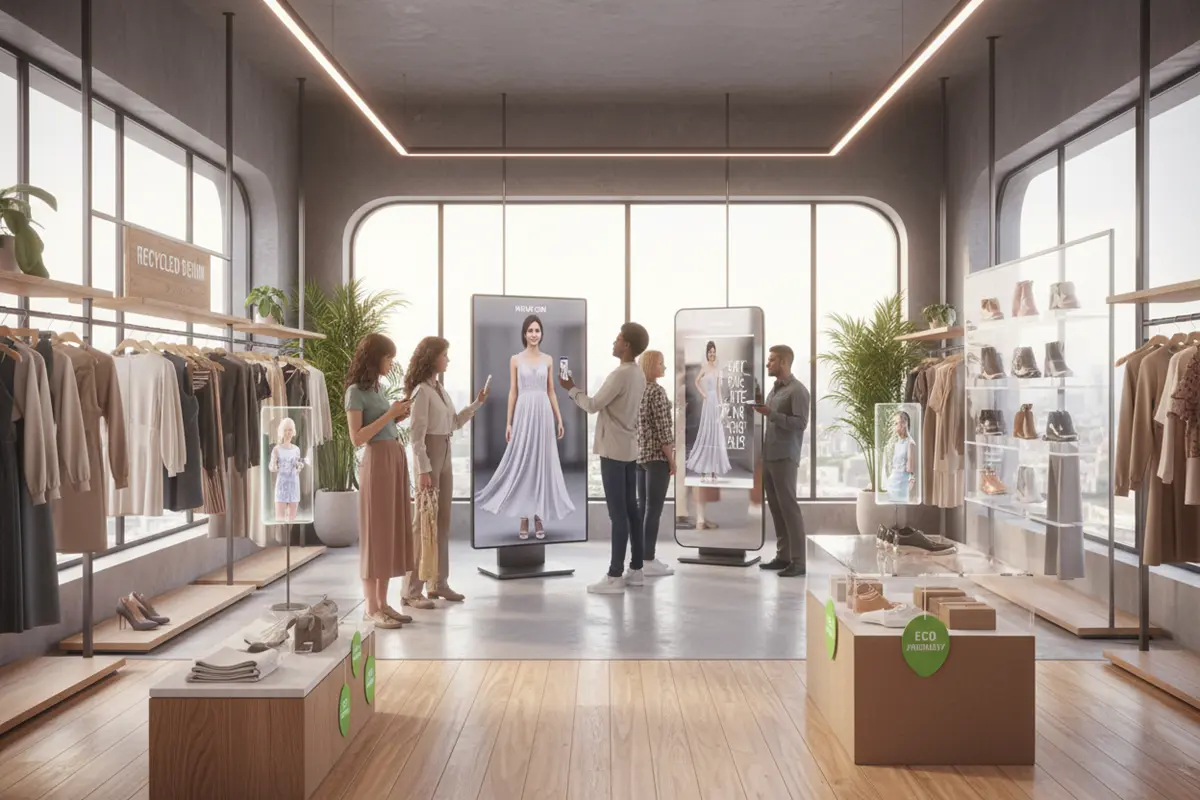
This expanded guide explores the clothing store trends that shape the year ahead. Fashion evolves at high speed, and many consumers change how they shop, what they value, and how they select products. Fashion retail shifts due to new technology, rising customer expectations, stronger global competition, and pressure from the global apparel market. Fluctuations in consumer confidence during periods of economic uncertainty significantly impact purchasing behavior and require fashion brands to adjust their strategic planning to maintain stability and growth. Industry leaders take action early to stay ahead, build long term loyalty, and adapt to the trends shaping the us fashion market and the apparel sector.
The clothing industry now faces supply chain disruptions, fast fashion saturation, eco friendly business practices, and new technology such as augmented reality, virtual try-ons, and AI powered tools. Fashion brands and apparel brands must react fast as consumer needs shift and online shopping grows across social media platforms and social commerce. Many consumers now browse products through visual search, rely on brand ambassadors, follow luxury brands, and shop through online marketplaces. In this updated guide, you learn how fashion market forces shape consumer behavior, how customer experience becomes the new competitive edge, and how retailers prepare for future purchases.
Trend #1: Personalization and AI-Assisted Styling
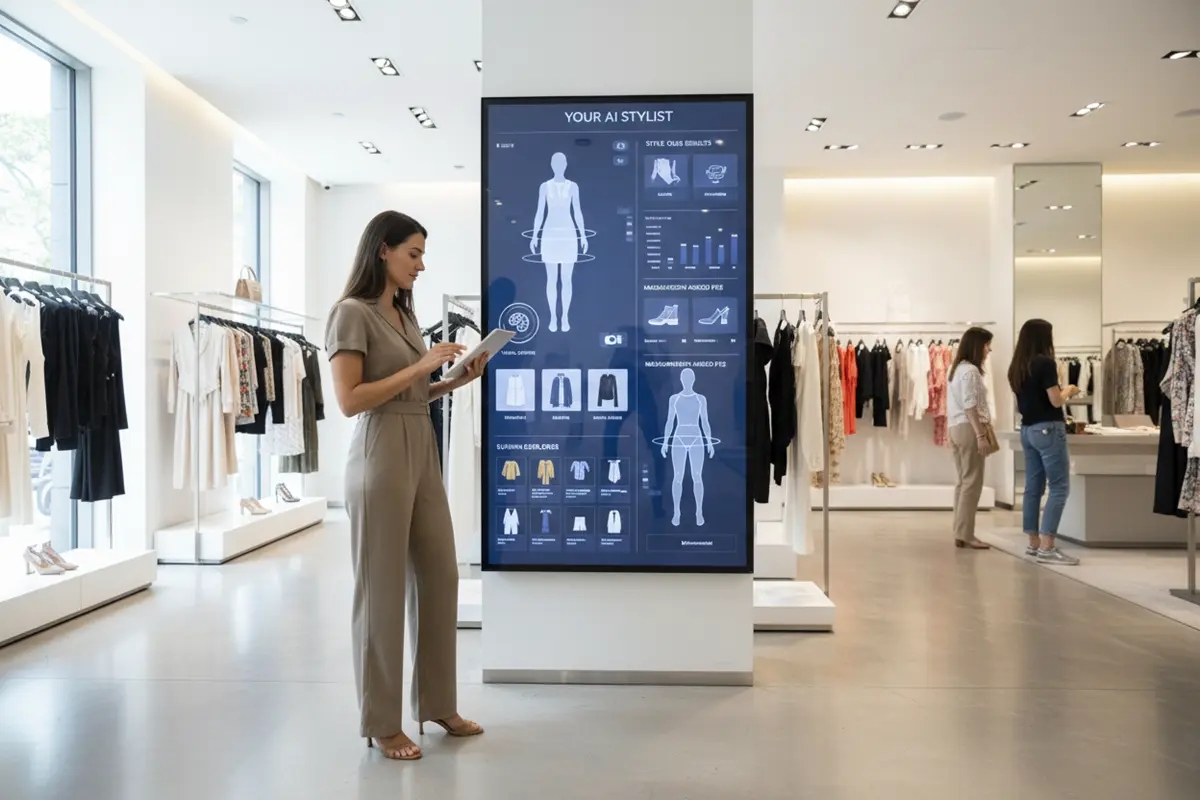
AI powered styling tools change the core of product discovery. They guide shoppers through short quizzes, personalized style journeys, visual search options, and accurate body measurements. Many consumers prefer brands that use machine learning and generative ai because the results feel natural and trustworthy.
Shoppers browse products with more confidence when AI suggests looks that match their taste. Fashion retail now uses leveraging ai strategies across digital transformation projects to increase customer satisfaction.
Why this trend matters
- It boosts customer experience and improves product discovery.
- It reduces returns by using more precise recommendations.
- It increases average order value, average order, and repeat purchases.
- It supports long term loyalty across younger consumers.
Retailer steps
- Integrate AI powered size and fit tools.
- Add voice assistants for quick style queries.
- Use new technology to analyze buyer actions.
- Provide style journeys that feel personal.
AI Styling Template
|
Step |
Action |
Result |
|---|---|---|
|
1 |
Customer answers quiz |
Better data science insights |
|
2 |
AI suggests outfits |
Boost conversion rates |
|
3 |
Customer buys faster |
Stronger long term loyalty |
|
4 |
Shopper returns later |
Higher customer lifetime value |
Detailed styling tools shape how consumers browse products. Retailers taking advantage of this new model gain stronger customer loyalty, higher margins, and deeper connections.
Trend #2: Data-Driven Inventory Planning
Fashion executives now make decisions using real-time dashboards. Apparel sales shift each week, and retailers must react faster than in the past. Data science and machine learning help teams understand consumer behavior, forecast future purchases, and reduce textile waste.
The apparel sector depends on accurate forecasts because supply chain disruptions create inconsistent lead times. Retailers track the same period year over year to compare performance and evaluate discretionary spending patterns.
Core benefits
- Retailers reduce costs by avoiding overproduction.
- They protect margins during price increases.
- They manage the supply chain more effectively.
- They plan launches that meet customer expectations.
Key Data Signals
|
Signal |
What It Shows |
|
Sell-through rate |
Product strength |
|
Return reasons |
Fit, quality, or listing issues |
|
Regional sales |
Better forecasting for future purchases |
|
Social platform activity |
What trends shaping buyer habits |
Data-driven planning supports the entire supply chain, from designers to warehouses. It also makes the business more adaptive during shifts in the fashion market.

Trend #3: Experience-Based Retail Layouts
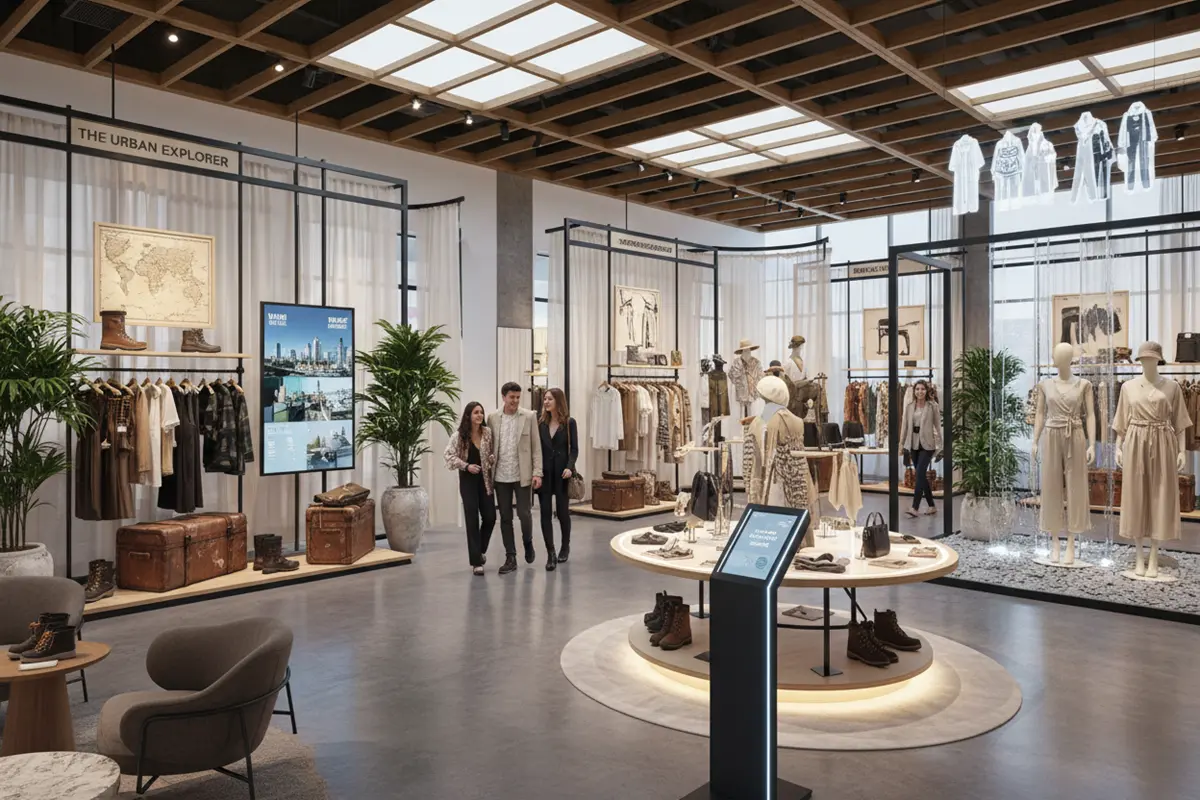
The in store experience now plays a huge role in customer behavior. Shoppers expect more than racks of clothing. They want clear guidance, creative displays, and meaningful interactions.
Fashion retail stores remove clutter and build immersive layouts that tell a story. Younger consumers enjoy shops that feel like lifestyle hubs rather than simple retail spaces.
Why it works
- Younger consumers look for deeper connections.
- It improves the shopping journey.
- It sparks impulse buying through emotional engagement.
- It encourages shoppers to stay longer and explore.
Ideas
- Lifestyle zones that reflect real-life styling moments.
- Texture and fabric stations.
- Micro-studios for content creation and live streams.
- Visual search kiosks.
- Try-on mirrors with augmented reality overlays.
Experience design helps brands stay ahead in a crowded market where customers demand more value per visit.
Trend #4: Growth of Micro-Collections and Frequent Drops
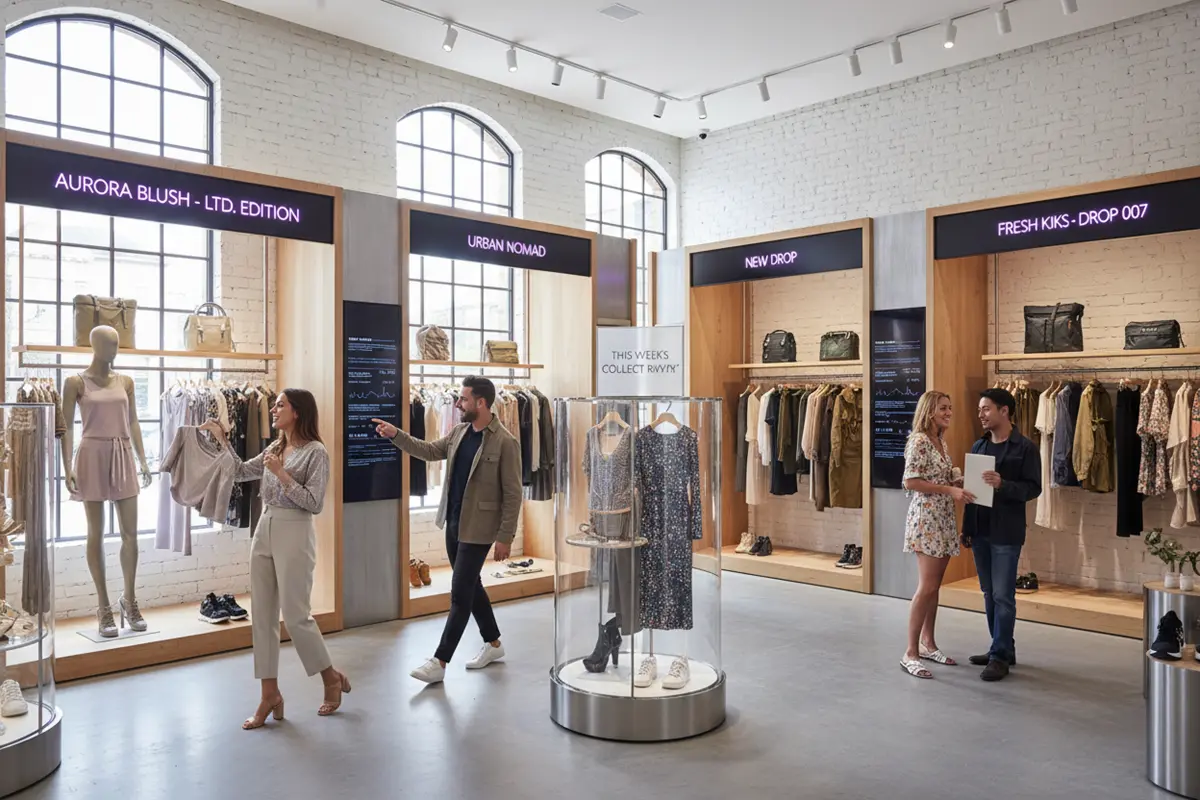
Fast fashion changed retail expectations. Shoppers now look for constant excitement and frequent novelty. Fashion brands respond with micro-collections, capsule lines, and rapid-fire drops.
This new model allows apparel brands to work in smaller batches, reduce supply chain risk, and create products that feel exclusive. Many consumers now shop weekly and expect fresh content.
Why it matters
- It lowers financial risk for brands.
- It increases impulse buying.
- It helps brands maintain a competitive edge.
- It keeps the fashion retail calendar active.
Micro-Collection Calendar
|
Week |
Drop |
Task |
|
1 |
Seasonal teaser |
Design approval |
|
2 |
Capsule drop |
Production sync |
|
3 |
Creator collaboration |
Marketing plan |
|
4 |
Review |
Adjust next cycle |
|
5 |
Trend check |
Evaluate insights from social platforms |
|
6 |
Demand update |
Forecast next micro-collection |
This pace matches the trends shaping the year ahead and supports product discovery across social commerce.
Trend #5: Second-Hand, Rental & Circular Retail
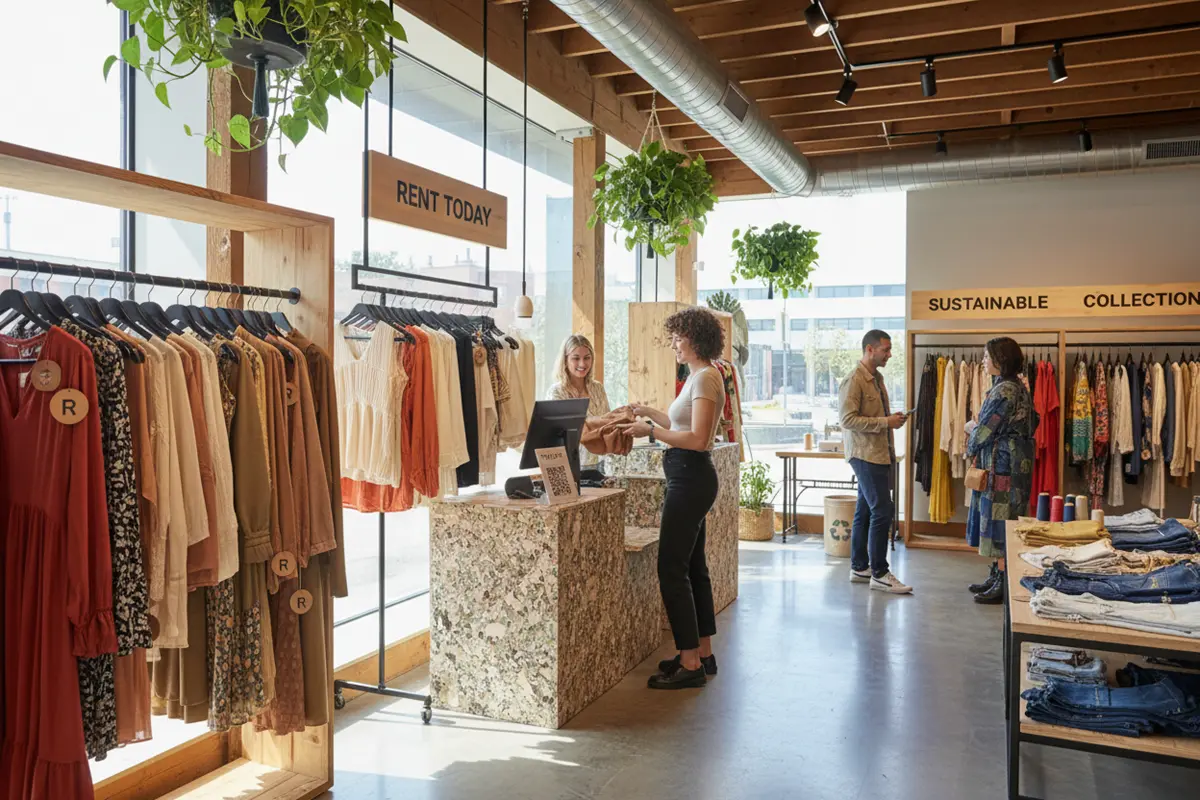
The global apparel market pushes sustainable practices because many consumers worry about textile waste and environmental impact. Younger consumers especially choose rental programs, second-hand fashion, and trade-in events.
Fashion retail adapts quickly by adding eco friendly business practices, which support long term loyalty and reduce supply chain emissions.
Drivers
- Lower carbon footprint.
- Affordable alternatives.
- Growth of resale marketplaces.
- Stronger interest in sustainable practices.
Actions
- Add rental membership tiers.
- Launch trade-in weeks.
- Highlight recycled fabrics.
- Promote circular design principles.
This trend also influences luxury brands, which now expand into authenticated resale.
Trend #6: Transparency in Materials and Sourcing
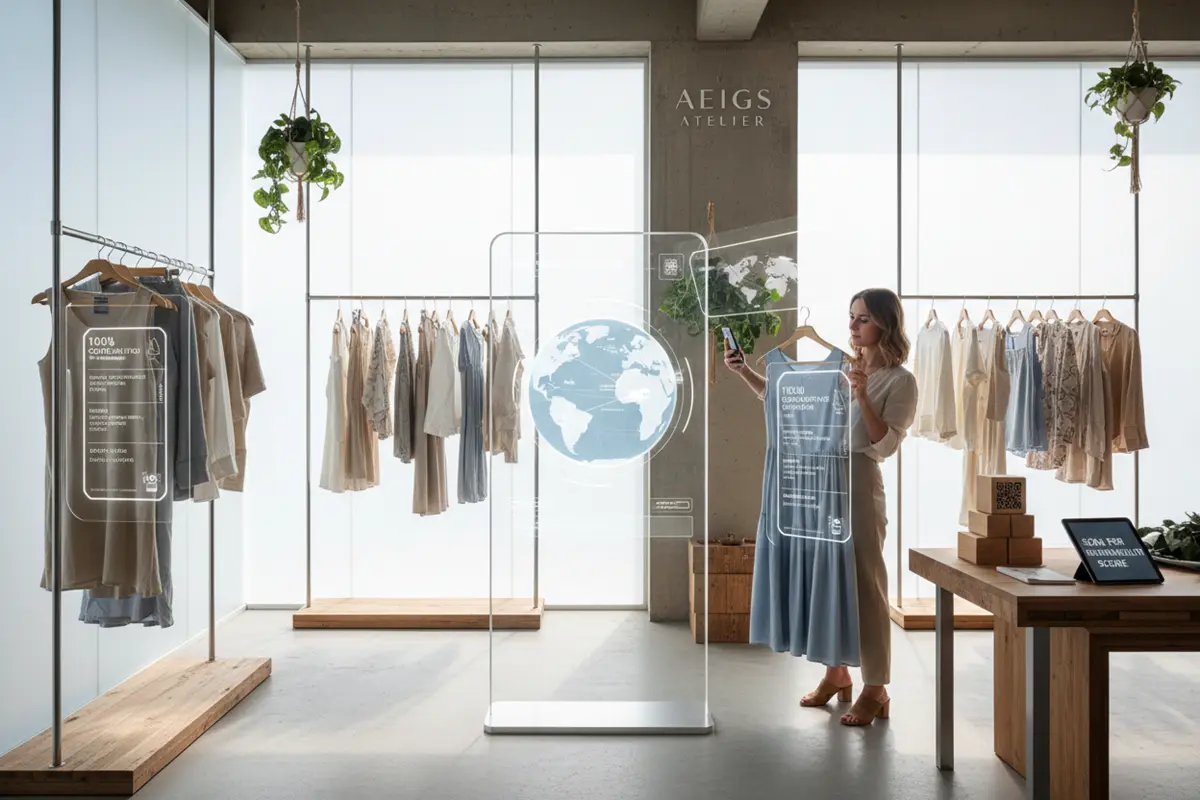
Customers demand more honesty than ever before. Fashion retail now focuses on full traceability across the supply chain. This includes supplier details, fabric content, environmental claims, and ethical production.
Transparency supports customer loyalty and builds trust. It also gives brands cleaner data when they plan future purchases or compare performance across the same period.
Transparency Checklist
|
Detail |
Description |
|
Fiber info |
Clear fabric breakdown |
|
Supplier list |
Region, facility type, and compliance notes |
|
Sustainability note |
Certifications and impact |
|
Traceability map |
Visual supply chain overview |
|
Material alternatives |
Eco-friendly choices |
This shift makes sense because consumer expectations rise each year.
Trend #7: Tech-Integrated Virtual Try-Ons (AR / VR)
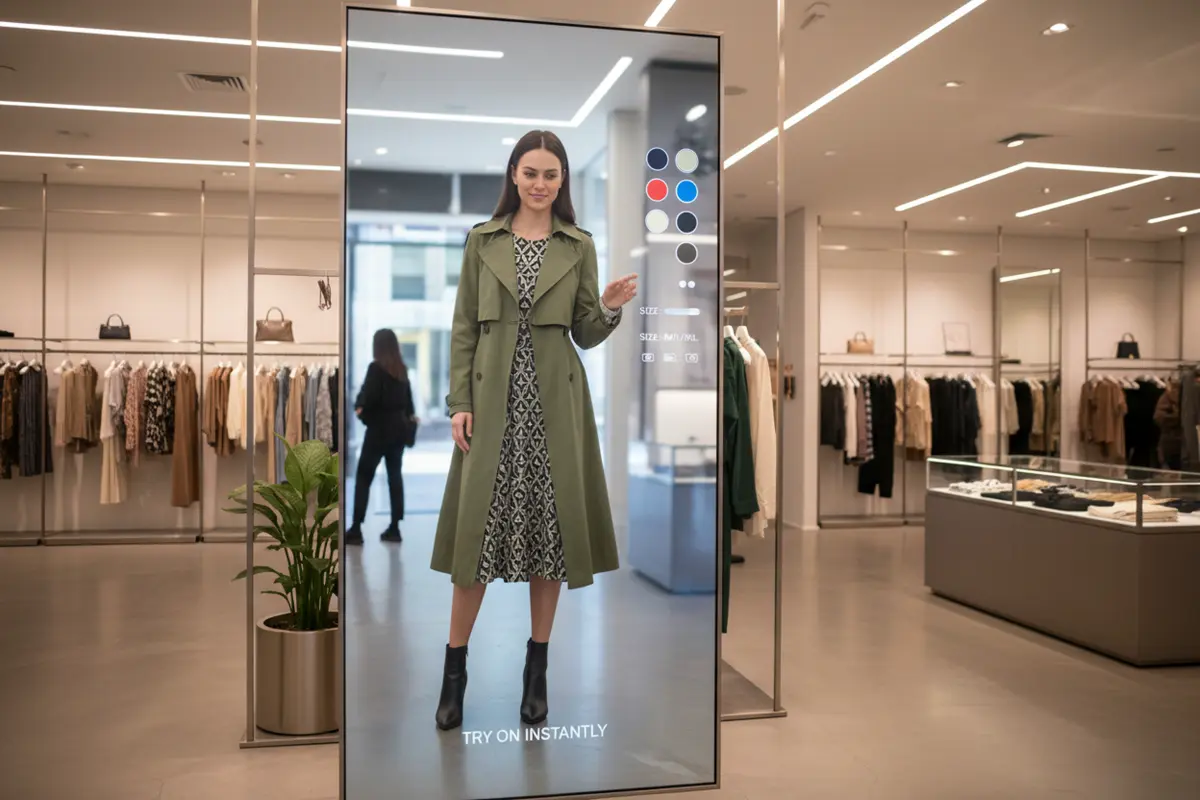
Virtual try ons now influence both online shopping and in store shopping. Augmented reality expands product discovery and helps shoppers see outfits before they buy.
Brands add new technology to reduce returns, boost conversion rates, and guide consumers during their shopping journey.
Retailer steps
- Add 3D garment views.
- Integrate virtual size tools.
- Build VR store walk-through experiences.
- Add visual search-based outfit builders.
Virtual try ons attract younger consumers who shop across social commerce and online marketplaces.
Visual Search and Product Discovery
The rapid rise of visual search and advanced product discovery tools is revolutionizing how consumers interact with fashion brands and apparel brands. In today’s fashion market, shoppers expect to browse products quickly and intuitively, using images and AR-powered features to find exactly what they want. Augmented reality and machine learning are at the heart of this transformation, making it easier than ever for customers to discover new trends, compare styles, and make confident purchases.
Recent studies show that 71% of consumers prefer using visual search to find products, and 60% are more likely to buy from a brand that offers AR experiences. This shift is especially pronounced in the US fashion market, where social media platforms and online shopping have become primary channels for product discovery. Fashion executives and industry leaders are leveraging AI-powered visual search tools to enhance the customer experience, boost conversion rates, and increase average order value.
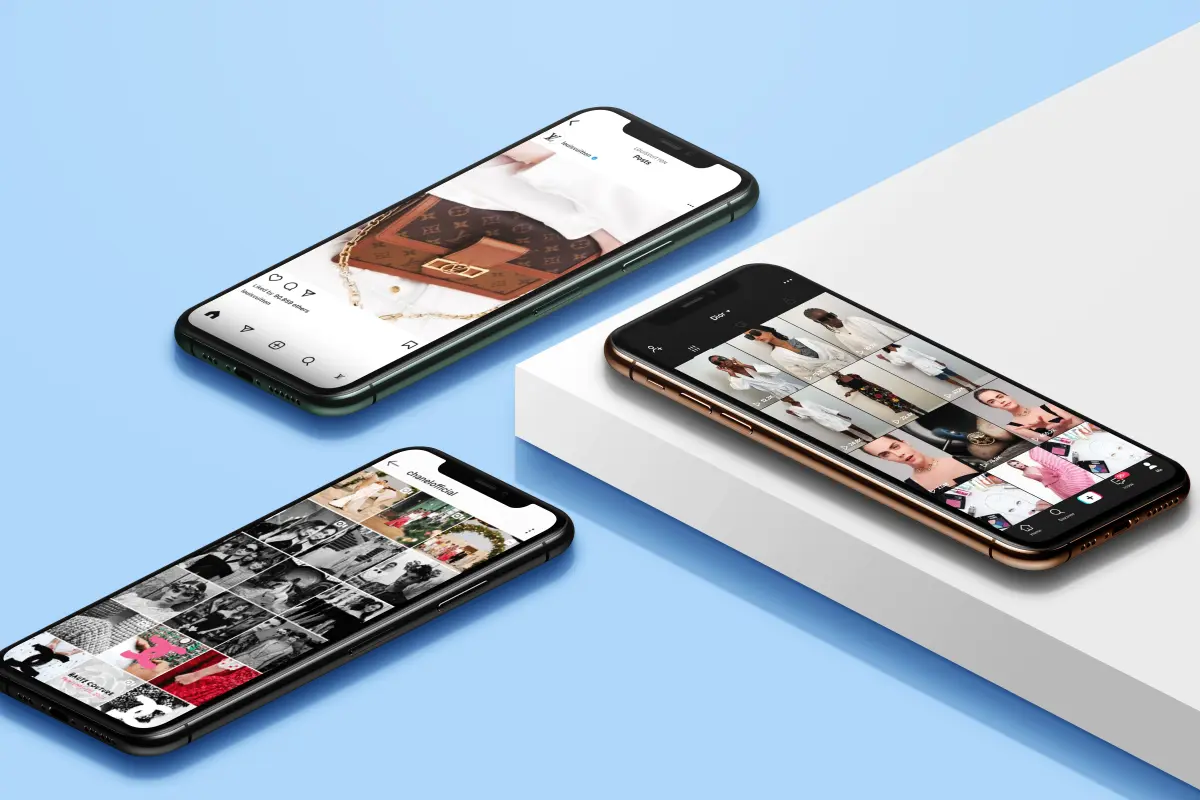
Luxury brands like Gucci and Louis Vuitton are leading the way, enabling customers to browse products and shop directly from their social feeds. Fast fashion giants such as Shein and Zara are also taking advantage of social shopping and visual search, offering younger consumers a seamless, interactive shopping journey. As a result, the global apparel market is projected to reach $3.5 trillion by 2025, driven by these digital innovations.
However, the clothing industry still faces challenges, including supply chain disruptions and growing concerns about textile waste. To address these issues, many fashion brands are adopting eco friendly business practices and investing in sustainable supply chain management. For example, Patagonia’s commitment to reducing waste and increasing recycling sets a standard for the apparel sector.
Social commerce is also on the rise, with platforms like Instagram and Facebook enabling consumers to shop directly from their feeds. This trend is reshaping consumer behavior, as many consumers now expect brands to offer personalized recommendations, virtual try ons, and a frictionless checkout process. In fact, 75% of shoppers are more likely to return to a brand that delivers personalized experiences, and 60% are more likely to recommend a brand that offers a seamless shopping experience.
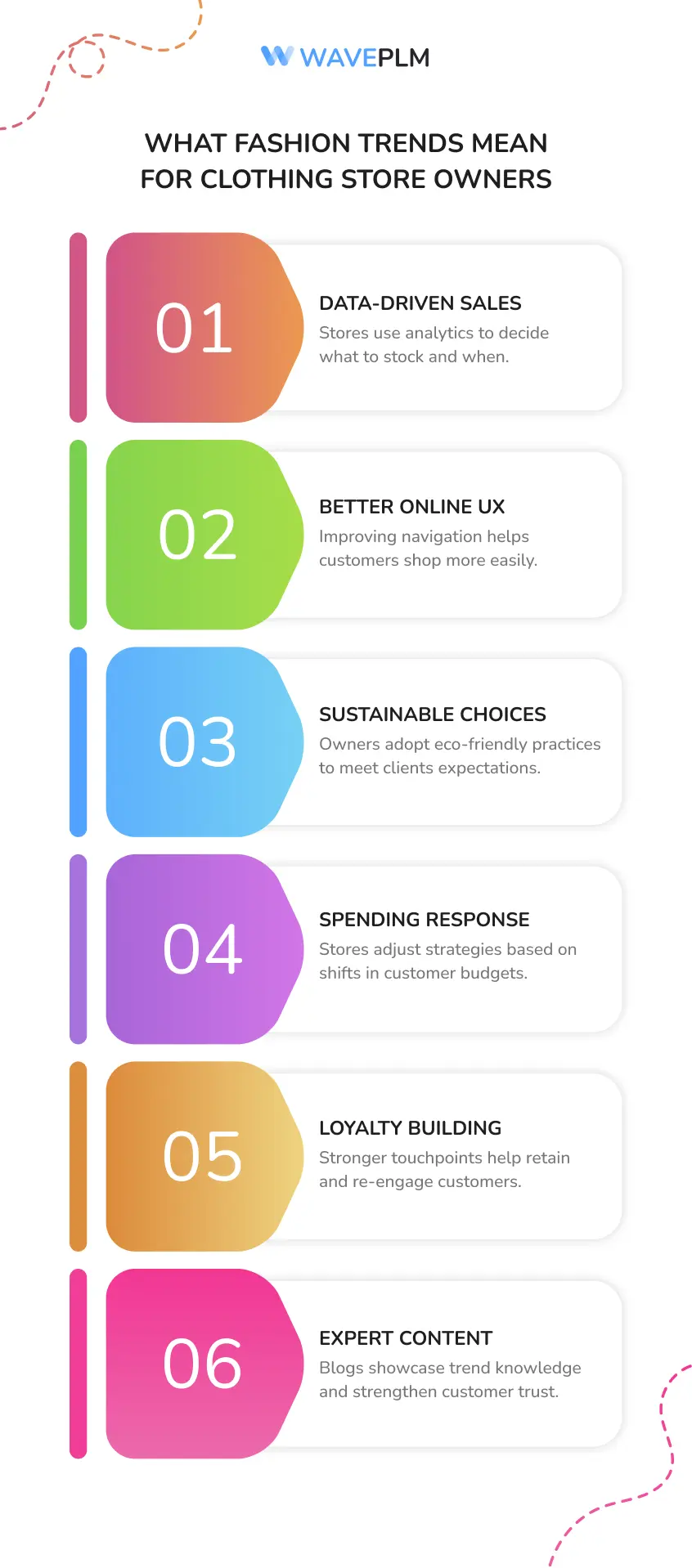
What These Trends Mean for Clothing Store Owners
Retailers now navigate major shifts in consumer behavior. To stay competitive, brands must rethink how they design, produce, and sell apparel.
Owner priorities
- Use data to guide apparel sales.
- Improve online shopping and store navigation.
- Adopt sustainable practices.
- Respond to discretionary spending changes.
- Build loyalty through stronger touchpoints.
- Leverage blog fashion content to highlight expertise in current trends and connect with customers.
Old vs Modern Retail
|
Old Retail |
2025 Retail |
|
Seasonal drops |
Frequent micro-collections |
|
Guessing demand |
Data-driven planning |
|
Static layout |
Immersive experience |
|
No virtual try ons |
AR and VR tools |
|
Limited digital tools |
AI powered workflows |
Retailers that embrace digital transformation gain stronger positioning in the competitive fashion market and maintain customer loyalty.
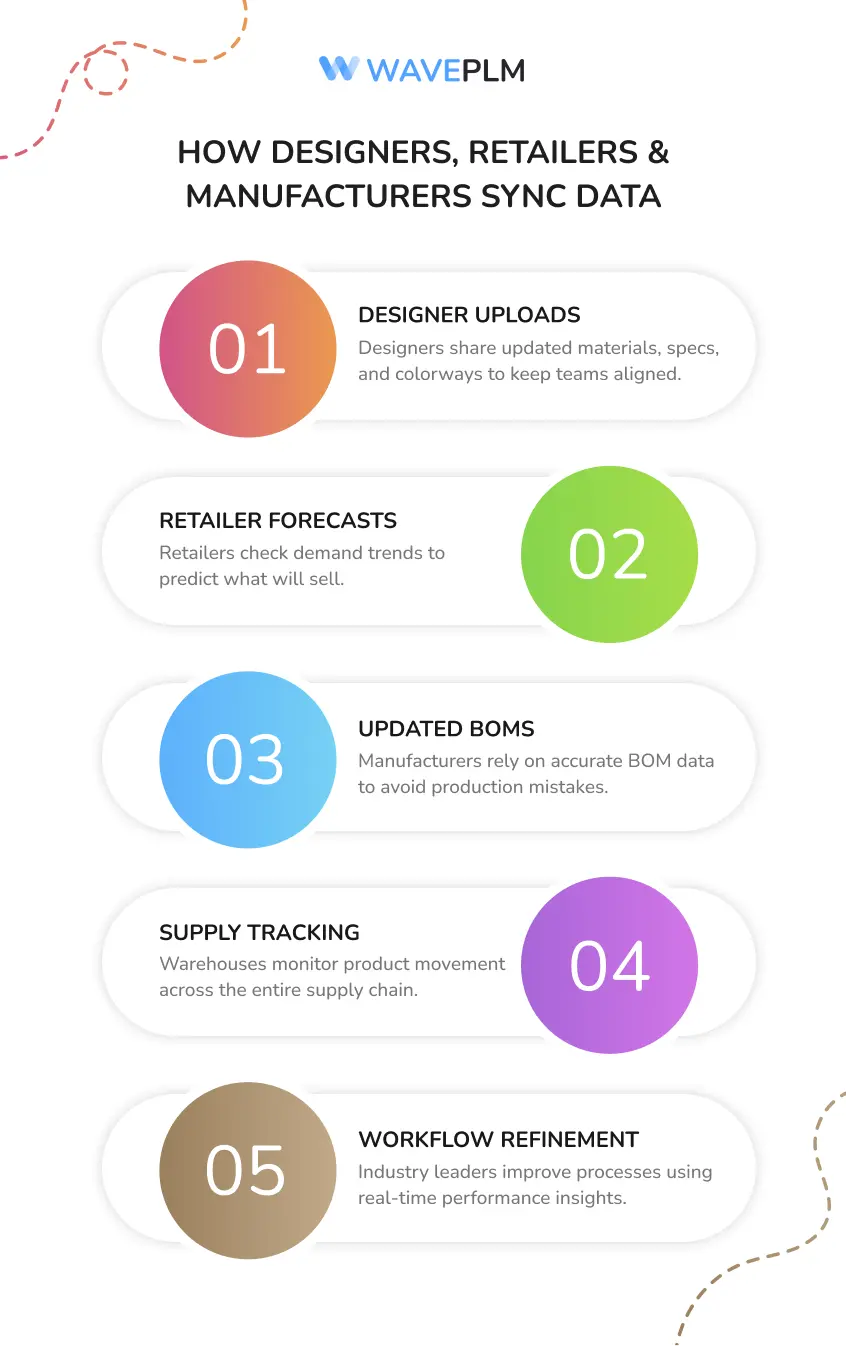
How Designers, Retailers & Manufacturers Sync Data
The apparel sector still struggles with disconnected systems. Designers, merchandisers, retailers, and factories often lack shared visibility, creating errors and delays.
A unified data flow empowers teams to react faster, reduce costs, and improve quality.
Unified Flow
- Designers upload materials, specs, and colorways.
- Retailers check demand forecasts.
- Manufacturers follow updated BOM data.
- Warehouses track products across the supply chain.
- Industry leaders refine workflows based on real-time performance.
This supports customer loyalty and increases accuracy across fashion retail.
How Wave PLM Supports Retail Trends
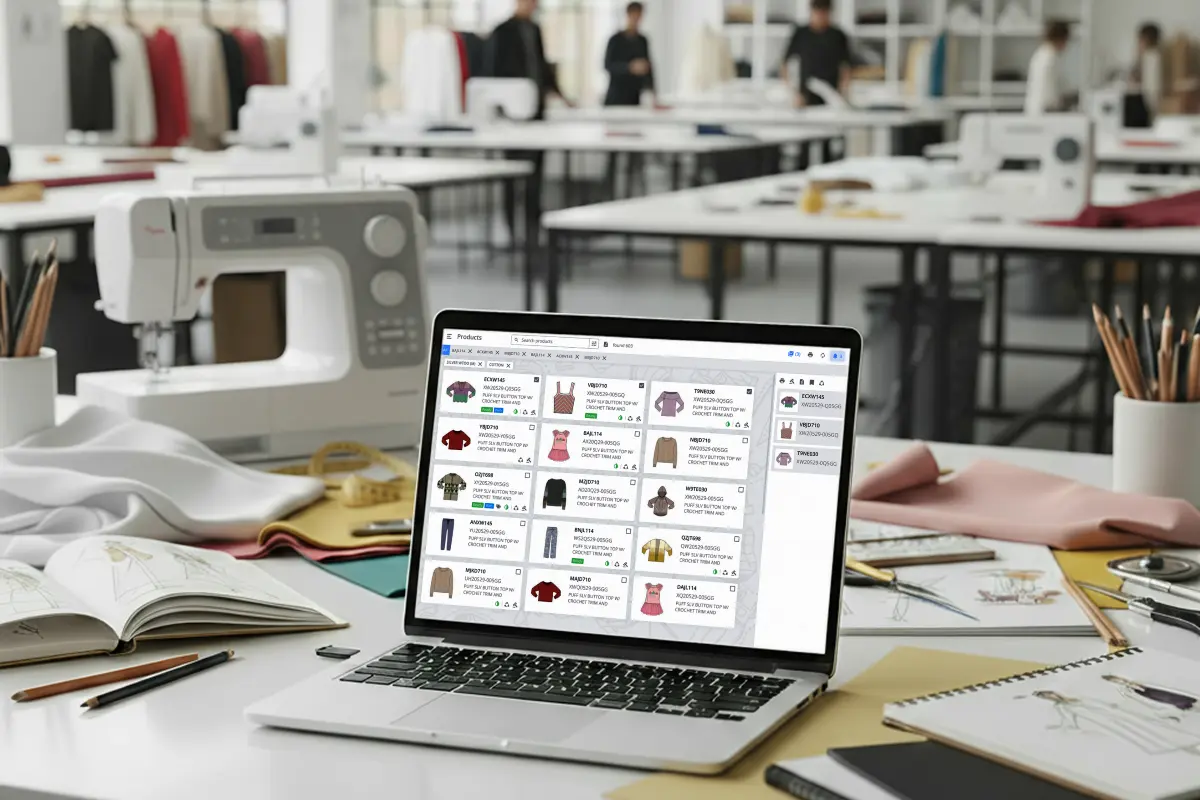
Wave PLM helps fashion brands and apparel brands respond swiftly to the year ahead. It offers real-time visibility across the supply chain, supports digital transformation, and helps fashion retail teams take advantage of new tech.
Wave PLM Benefits
- Real-time updates.
- Accurate catalogs.
- Faster production.
- Improved sourcing visibility.
- Stronger communication across teams.
- Better alignment with fashion market changes.
Cycle Comparison
| Step | Without PLM | With WavePLM |
| Design | Confusion | Single source of truth |
| Sampling | Slow | Fast digital revisions |
| Production | Errors | Clean data flow |
| Launch | Delays | Smooth drops |
Conclusion
These trends shape how shoppers shop and how brands operate. Fashion brands, luxury brands, and online marketplaces shift strategies to match consumer needs. Many consumers explore social shopping and product discovery through social platforms. Retailers who adopt new technology, optimize the shopping journey, and strengthen their supply chain stay ahead.
To answer key questions:
- What type of clothing is trending right now? Athleisure, quiet luxury, and genderless basics.
- What is the 3‑3‑3 rule? Three tops, three bottoms, three shoes to simplify outfits.
- Most popular stores? Zara, Uniqlo, H&M, and top online marketplaces.
- Current retail trends? AR try-ons, data-driven planning, social commerce, and sustainability.
Wave PLM helps businesses adapt and build long term loyalty.


Leave a Reply