
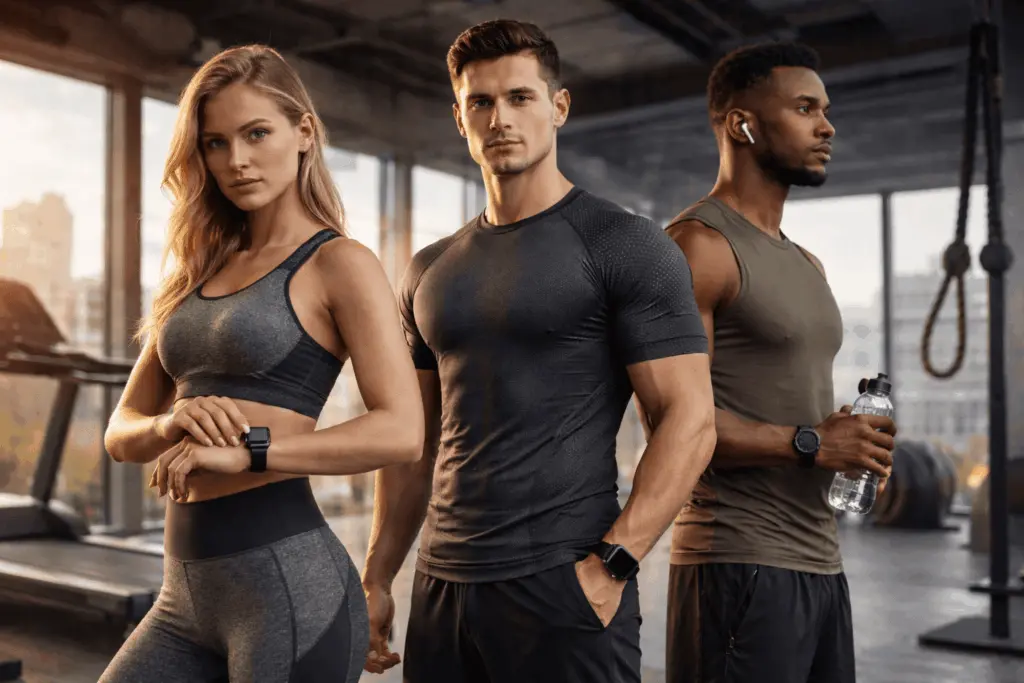
Technology in sportswear defines how modern athletes train, compete, and recover. Performance apparel now blends science, fashion, and digital tools. Brands no longer rely on style alone. They focus on results, comfort, and durability. This shift affects every product decision, from fabric choice to final wear experience. Innovation drives the entire sportswear industry forward.
Modern sportswear serves athletes, fitness enthusiasts, and everyday users. People expect garments that enhance performance and feel comfortable in warm and cold conditions. Technology enables brands to offer a diverse collection of sportswear, providing customization and variety to cater to different needs and preferences. Technology sportswear solutions help brands meet these expectations while reducing environmental impact. This blog post explains how innovation reshapes performance apparel and product development today.
Why Sportswear Is One of the Most Technology-Driven Fashion Segments
Sportswear interacts directly with the human body. Small design changes affect speed, motion, and recovery. Because of this connection, brands invest heavily in technology in sportswear. Performance apparel must support muscles, regulate body temperature, and manage sweat during every workout.
Traditional fabrics cannot meet these demands on their own. Modern sportswear relies on science, testing, and advanced materials. Designers now study heat, skin contact, and movement patterns. This approach helps prevent injuries and improves effectiveness during wear.
Technology in sportswear benefits not only individual athletes but also entire teams, by providing performance data and injury prevention strategies that enhance overall team performance and decision-making.
Competition in the sportswear industry also drives growth. Brands race to release lightweight, breathable, and stylish collections. Product teams face pressure to lead with innovation while maintaining durability and comfort. The market remains constantly evolving.
Digital tools support this pace. Teams use data platforms, simulations, and shared systems. These tools reduce errors and improve access to accurate information. Technology sportswear workflows now reflect advanced manufacturing practices.
History of Sportswear
The history of sportswear is a story of constant evolution, shaped by the needs of athletes and the possibilities of new technology. In the early days, athletic clothing was made from traditional fabrics like wool and cotton, offering basic coverage but little in the way of performance enhancement. As sports gained popularity and competition intensified, the demand for specialized gear grew. The introduction of synthetic fibers in the mid-20th century marked a turning point, allowing brands to develop garments that were lighter, more durable, and better suited to intense activity.
The sportswear industry quickly embraced innovation, leading to the creation of iconic products such as running shoes with advanced cushioning, moisture-wicking t-shirts, and stretchable yoga pants. These advancements not only improved athletic performance but also influenced everyday fashion, making sportswear a staple in wardrobes around the world. Today, the line between performance apparel and casual clothing continues to blur, with brands constantly developing new materials and designs to enhance comfort, style, and functionality for women, men, and fitness enthusiasts alike.
Key Technologies Used in Modern Sportswear
Technology in sportswear spans fabric development, garment construction, and connected tech. Each layer adds benefits that improve performance and comfort. Together, these elements create clothing designed for motion, heat control, and long life.
Performance Fabrics and Material Science
Fabric innovation sits at the core of modern sportswear. Engineers design fibers to enhance stretch, softness, and strength. These fabrics support the body during intense motion and repeated wear.
Common materials include recycled polyester, nylon, elastane, and organic cotton. Recycled polyester appears in many collections due to its durability and reduced environmental impact. Organic cotton adds a natural, soft feel for everyday garments. Brands often blend these materials to balance performance and comfort.
Advanced fibers improve breathability and warmth. Some structures trap heat in cold conditions. Others release heat during intense workouts. Fabric weight and patterns also affect how garments feel on skin.
Material libraries help teams track fibers, certifications, and benefits. This access supports informed decisions across design and development.
Moisture-Wicking and Thermal Regulation
Sweat control defines performance apparel success. Wicking technology moves sweat away from the body and skin. This process keeps athletes dry and comfortable during activity.
Fabric structures guide moisture through capillary action. Breathable zones increase airflow in high-heat areas. Designers place these zones using body-mapping data.
Thermal regulation helps maintain stable body temperature. Some fabrics store heat during rest. Others release heat during motion. These features support performance in warm and cold environments.
Accurate fabric data remains critical. Teams must document wicking rates, heat response, and softness. Technology in sportswear depends on precise information.
Compression and Ergonomic Design
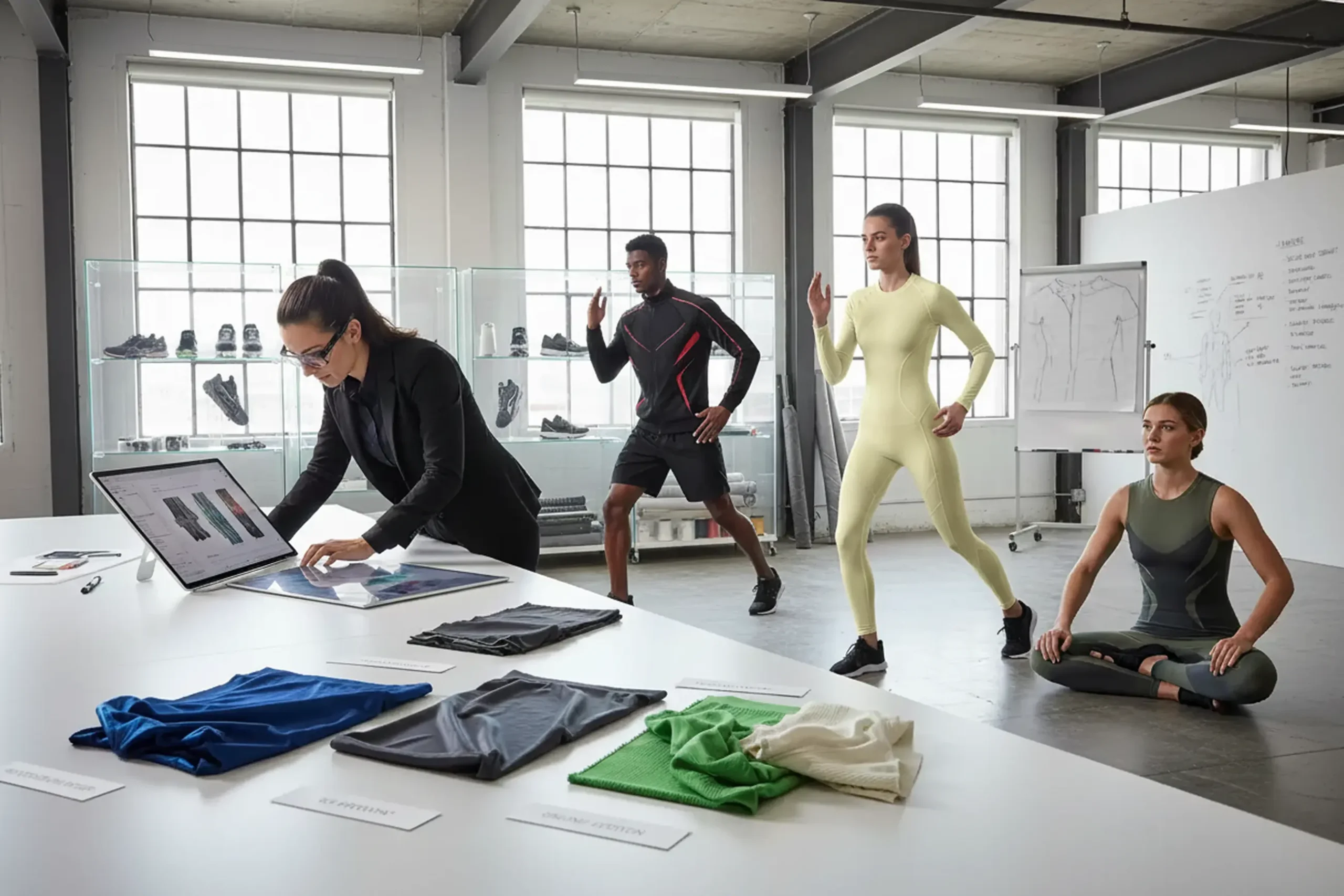
Compression garments support muscles and improve circulation. Athletes often use compression to reduce fatigue and prevent injuries. Proper design improves speed and recovery.
Ergonomic patterns follow natural body motion. These patterns reduce restriction and improve stretch during movement. Seam placement also matters. Flat seams reduce irritation and improve comfort.
Design teams test compression levels and fabric stretch carefully. Errors reduce performance and effectiveness. Accurate measurements help maintain quality across a product line.
Smart Textiles and Wearables
Smart textiles represent the latest trend in sportswear innovation. These garments integrate sensors and tech elements. They collect real time data during workouts.
Examples include heart rate monitoring tops, posture garments, and connected running shoes. Some products track heat, motion, and muscle activity. This data supports training improvement and injury prevention.
Wearable tech expands possibilities for brands and athletes. Apparel now connects to apps and digital platforms. This shift increases product complexity and business opportunities.
Sustainable Fabrics in Performance Apparel
Sustainability has become a driving force in the modern sportswear industry. As consumers grow more aware of the environmental impact of their clothing choices, brands are rethinking the materials they use to create performance apparel. The shift toward sustainable fabrics is transforming how sportswear is designed, produced, and worn, with a focus on reducing waste, conserving resources, and supporting long-term growth.
Innovative materials like organic cotton, recycled polyester, and bamboo are leading the way, offering a balance of performance, comfort, and eco-friendly benefits. These fabrics help brands create garments that not only enhance athletic ability but also align with the values of environmentally conscious shoppers. By investing in sustainable options, the sportswear industry is setting new standards for both performance and responsibility.

Organic Cotton
Organic cotton is redefining comfort and sustainability in sportswear. Unlike conventional cotton, organic cotton is grown without synthetic pesticides or fertilizers, making it a safer choice for both the environment and the skin. This natural fiber is prized for its soft, breathable feel, making it ideal for yoga pants, t-shirts, and everyday workout gear. Organic cotton requires 90% less water to grow.
Athletes and fitness enthusiasts appreciate organic cotton for its ability to keep the body cool and comfortable during exercise, while its gentle touch reduces the risk of irritation. The use of organic cotton in modern sportswear collections reflects a commitment to reducing environmental impact and supporting healthier farming practices. As more brands adopt organic cotton, consumers can enjoy high-performance garments that are as kind to the planet as they are to the body.
Recycled Polyester
Recycled polyester is at the forefront of sustainable innovation in performance apparel. Made from post-consumer plastic bottles and other recycled materials, this fabric offers the same durability, lightweight feel, and moisture-wicking properties as traditional polyester—while significantly reducing waste and resource consumption.
The sportswear industry relies on recycled polyester to create high-performance garments that stand up to intense workouts and frequent wear. Its strength and resilience make it a popular choice for running shoes, activewear tops, and outerwear designed to enhance performance in any condition. By choosing recycled polyester, brands help minimize their environmental footprint and support a circular economy, giving new life to materials that would otherwise end up in landfills.
Bamboo
Bamboo is emerging as a versatile and eco-friendly fabric in the world of sportswear. Known for its natural breathability and moisture-wicking abilities, bamboo fabric keeps athletes dry and comfortable, even during the most demanding workouts. Its silky-soft texture feels gentle against the skin, making it a favourite for both performance and everyday clothing.
Beyond its comfort and functionality, bamboo is celebrated for its minimal environmental impact. The plant grows rapidly without the need for pesticides or excessive water, making it a highly renewable resource. Sportswear brands are increasingly turning to bamboo to create garments that combine style, performance, and sustainability, offering fitness enthusiasts new ways to enjoy the latest trends while supporting a healthier planet.
How Innovation in Sportswear Impacts Design and Product Development
Sportswear innovation changes how teams develop products. Traditional sketch-based workflows no longer support tech-heavy garments. Digital tools now guide early decisions.
3D design software allows teams to test fit and motion before sampling. This process reduces waste and speeds development. Designers can adjust patterns and fabric placement quickly.
Material selection now starts earlier. Teams compare fabric benefits, warmth, softness, and breathability during concept creation. This integration aligns fashion and functionality.
Collaboration across teams improves results. Designers, developers, and suppliers share data in connected systems. Technology sportswear development relies on accuracy and access.
| Stage | Traditional Approach | Technology-Driven Approach |
|---|---|---|
| Concept | Style focused | Performance focused |
| Sampling | Many physical rounds | Virtual testing |
| Fabric choice | Late decisions | Early data-based decisions |
| Testing | Manual | Integrated and continuous |
| Data | Disconnected | Centralized |
Challenges of Managing Tech-Heavy Sportswear Products
Technology in sportswear increases complexity. Each innovation adds data, materials, and dependencies. Teams must manage these details carefully.
Fabric traceability presents a major challenge. Performance fabrics often include coatings, fibers, and treatments. Teams must maintain accurate records.
Supplier communication also matters. Factories need clear specifications to create consistent garments. Poor data leads to delays and defects.
Smart textiles introduce additional risks. Tech components require testing and updates throughout product life. Scaling these products requires strong systems.
Why Product Data Accuracy Is Critical in Performance Apparel
Performance apparel depends on precision. Small data errors reduce comfort and durability. In some cases, they increase injury risk.
Technology sportswear products require exact measurements. Compression, stretch, and warmth must remain consistent. Fabric behavior must match tested results.
Accurate data supports quality control and compliance. Brands rely on documentation to support performance claims. Centralized data helps teams maintain standards.
| Data Area | Examples |
| Fabric | Fibers, weight, softness |
| Construction | Seams, bonding |
| Fit | Measurements, patterns |
| Performance | Wicking, heat control |
| Compliance | Tests, certifications |

How PLM Supports Technology-Driven Sportswear Development
PLM platforms support sportswear innovation by connecting teams and data. They create a single source of truth for product information.
PLM systems store fabric details, patterns, and revisions. Teams track changes and maintain accuracy. This structure supports fast development and growth.
Supplier collaboration improves through shared access. Factories receive updated specifications and feedback. This process reduces errors and improves quality.
For brands building modern sportswear collections, PLM provides stability. As innovation increases, manual tools fail. Digital systems support long-term success.
Wave PLM helps teams manage materials, garments, and performance data. It supports collaboration across design, development, and supply chains.
Conclusion
Technology in sportswear continues to transform fashion and performance. Innovation drives comfort, speed, and durability across garments for women men athletes and everyday users.
Brands that adopt technology sportswear strategies lead the market. They create better gear, reduce environmental impact, and support informed decisions.





Leave a Reply