

Fashion brands grow step by step. Systems must support every step of that growth. Many teams begin with vend inventory because it works well for retail operations. Vend helps stores sell, track stock, and serve customers, and its capabilities as a retail management solution include integration with various platforms and features that enhance operational efficiency. As the business expands, new needs appear. Product complexity increases. Teams grow. Collections become larger. This guide explains retail inventory vs plm in a practical way. It keeps the same core idea while adding deeper explanation and context. The goal is to help fashion businesses understand where vend inventory fits and where it does not.
What is Inventory Management?
Inventory management is the process of tracking, controlling, and optimizing the stock levels of products a business holds across all its locations and sales channels. For retailers, effective inventory management means knowing exactly what products are available, where they are stored, and how quickly they are selling. This process is essential for maintaining the right balance between meeting customer demand and minimizing excess stock.
Modern inventory management relies on business tools and retail management platforms like Vend, Lightspeed Retail, and other POS software. These solutions provide real time insights into inventory, automate stock tracking, and connect sales data with inventory levels. By using these tools, retailers can manage inventory more accurately, reduce manual errors, and ensure that every transaction is recorded and analyzed.
Inventory management is not just about counting products. It’s about using advanced analytics, detailed reports, and customer management features to make smarter decisions. With the right system in place, retailers can optimize their operations, improve customer engagement, and scale their business with confidence.
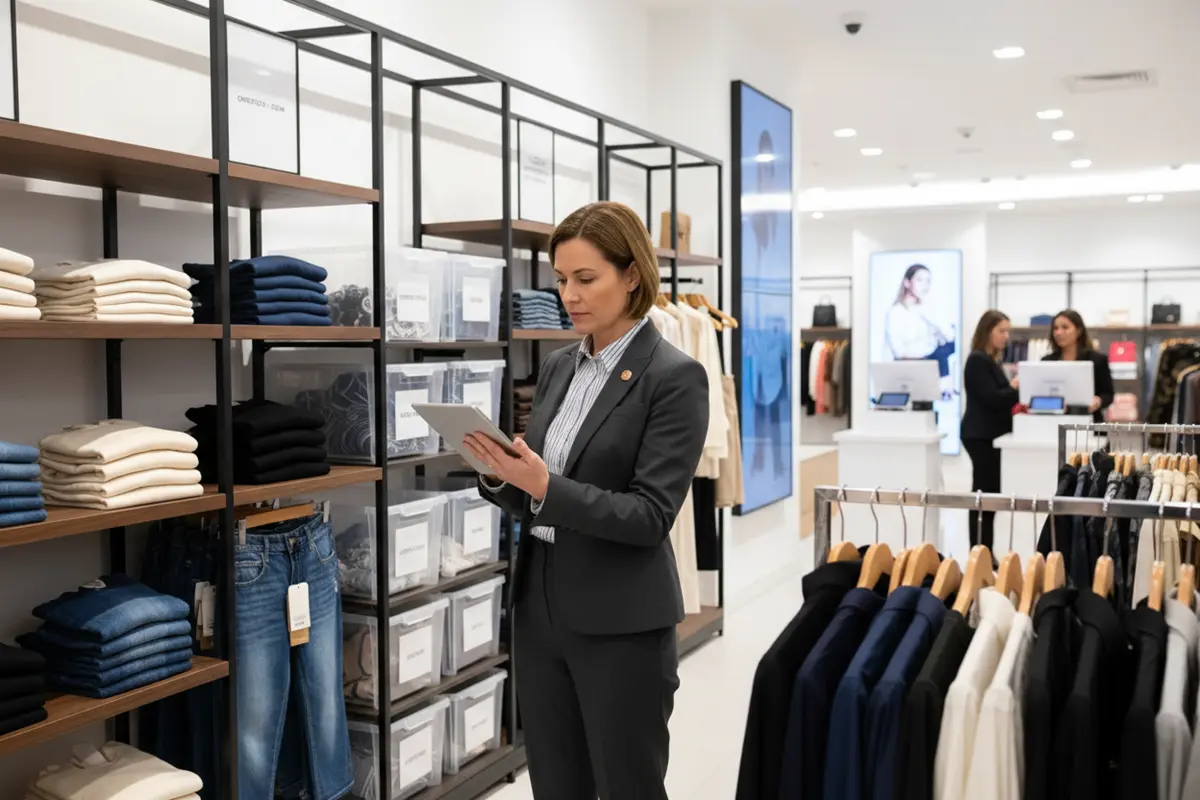
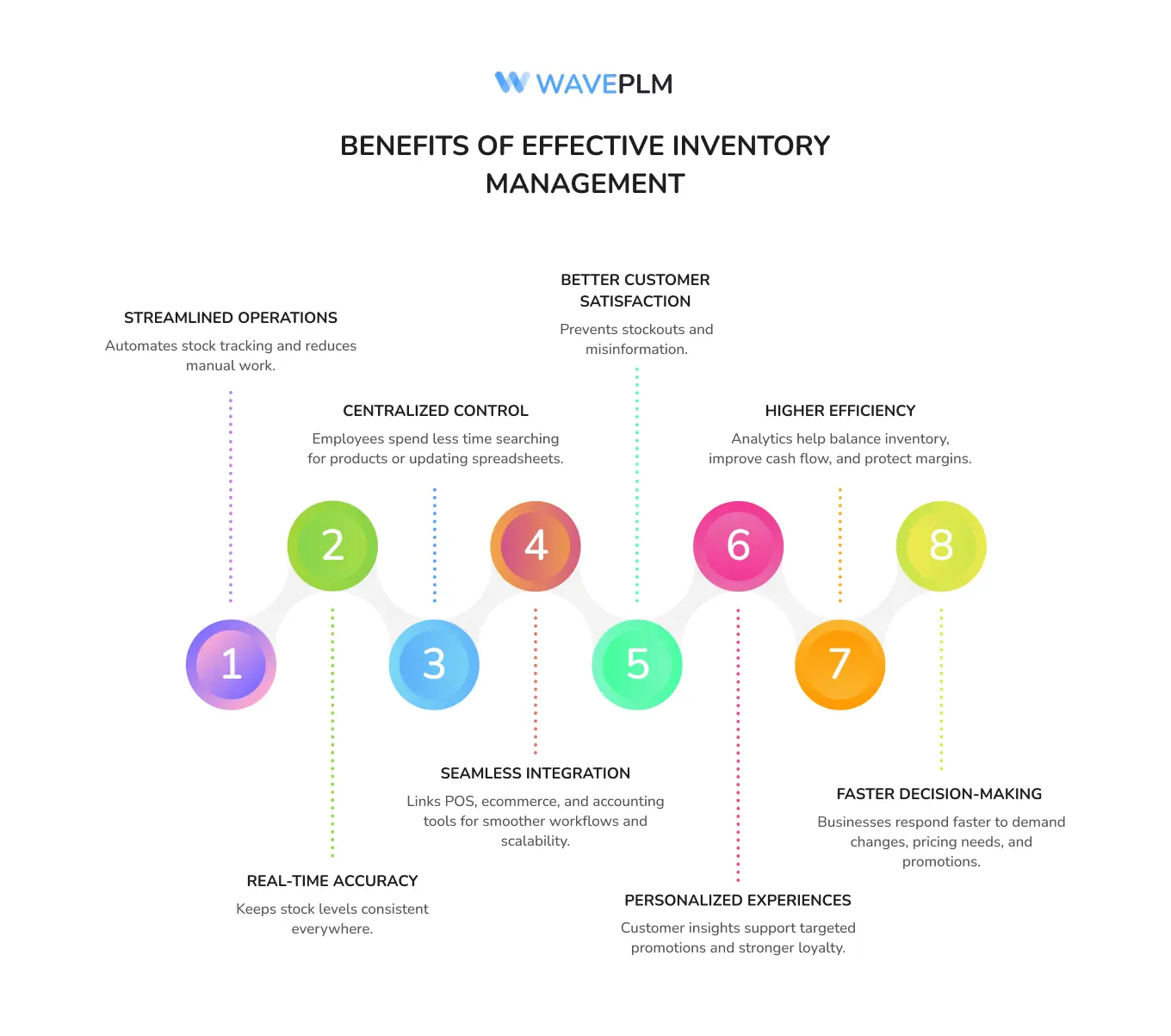
Benefits of Effective Inventory Management
Effective inventory management delivers a range of benefits that go beyond simply tracking products. By leveraging innovative tools and real time data, retailers can streamline operations, boost customer satisfaction, and increase overall efficiency. These advantages help businesses stay competitive, adapt to changing customer behavior, and maximize revenue.
Streamlining Operations
A strong inventory management system simplifies daily retail operations. By automating stock tracking and integrating with point of sale systems, retailers can reduce manual work and eliminate common errors. Real time updates ensure that stock levels are always accurate across all stores and channels, making it easier to manage product variants, promotions, and pricing plans.
With centralized control, employees can focus on serving customers instead of searching for products or updating spreadsheets. Retailers can also connect inventory data with other software, such as accounting or ecommerce platforms, to create a seamless workflow. This level of integration supports business growth and allows teams to scale operations without losing control.
Improving Customer Satisfaction
Accurate inventory management directly impacts customer satisfaction. When retailers have real time insights into stock levels, they can avoid disappointing customers with out-of-stock items or incorrect product information. This reliability builds trust and encourages repeat business.
Customer management features within inventory tools help track purchase history, preferences, and loyalty program participation. By understanding customer behavior, retailers can personalize promotions, improve customer engagement, and deliver a better shopping experience. Satisfied customers are more likely to return, recommend the store, and contribute to long-term business success.
Increasing Efficiency
Efficiency is at the heart of successful retail management. Effective inventory management provides advanced analytics and detailed reports that help retailers identify trends, optimize stock levels, and reduce unnecessary costs. With access to real time data, businesses can make informed decisions about reordering, pricing, and promotions.
By minimizing excess inventory and preventing stockouts, retailers can protect their margins and improve cash flow. Automated processes free up time for employees to focus on higher-value tasks, such as customer service and sales. As a result, businesses can operate more smoothly, respond quickly to market changes, and achieve better results with the same resources.
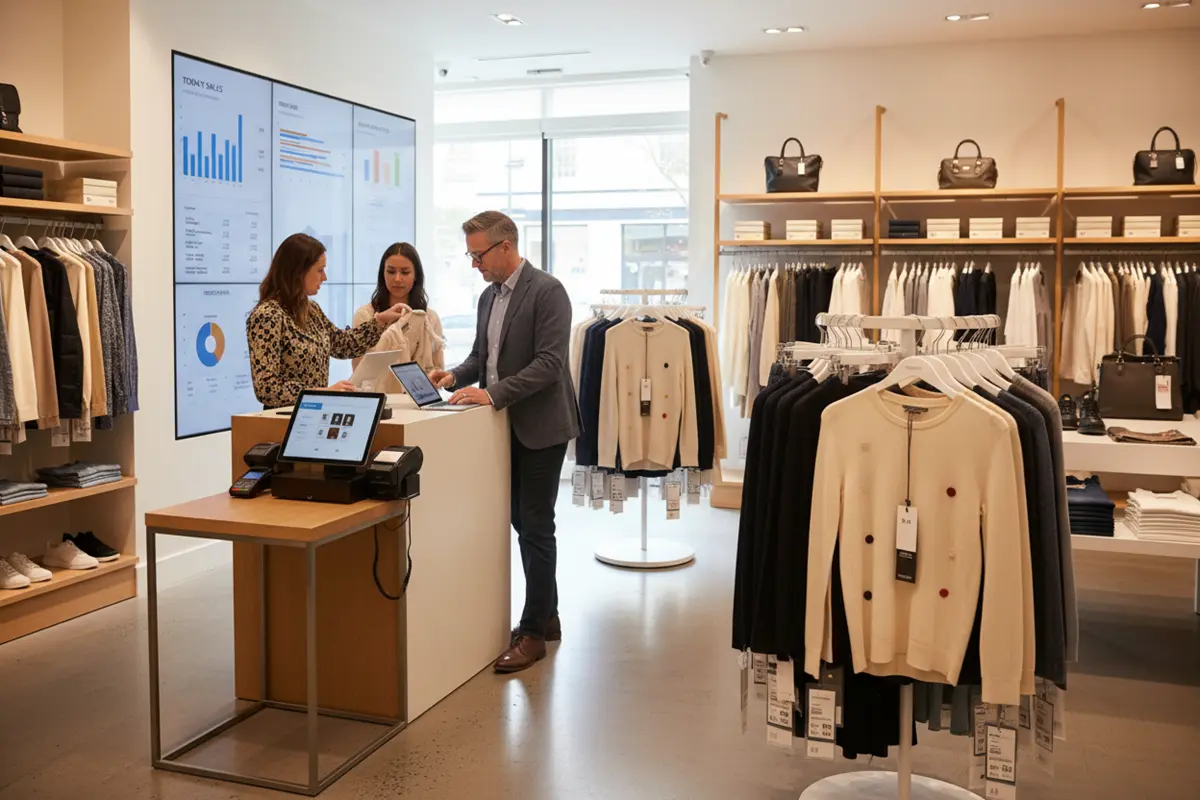
What Vend Inventory Manages Well
Vend inventory focuses on retail execution. It works as a retail management platform for stores that sell finished goods. Vend pos connects inventory, sales, and customers in real time. Retailers rely on this setup to keep daily operations stable.
Vend Inventory starts at $119 per month and offers different pricing plans tailored to various business needs. Evaluating specific business requirements and budget constraints is crucial before selecting a plan.
Vend inventory management helps businesses:
- Track inventory across multiple stores and locations with multi-location stock control
- Allow cashiers to check product levels at other stores from the point of sale
- Enable managers to order items from other locations, automatically adjusting inventory at both locations
- Manage inventory levels by SKU and variant, including product variant management for different sizes, colors, and styles
- Process sale transactions through reliable pos software
- Access real time stock levels across channels with real-time syncing to prevent overselling
- Review sales data using reporting and analytics tools, including real-time analytics for top-selling products and seasonal trends
- Use advanced analytics for in-depth reporting on sales trends and product performance
- Automate stock counts and purchase orders to increase operational efficiency
- Operate in offline mode to ensure uninterrupted operations during internet outages, with transactions syncing once reconnected
- Leverage real-time data for accurate sales forecasting and demand planning
- Automate purchasing triggered by low-stock alerts and built-in purchase orders
- Integrate seamlessly with e-commerce platforms to reduce manual work and prevent stockouts
- Use automated reordering to generate purchase orders based on custom reorder points when stock levels fall below thresholds
- Sync sales and inventory to update stock levels automatically as items are sold
- Unify data across sales channels to eliminate manual inventory adjustments and reduce human error
- Receive low-stock alerts for inventory levels falling below predefined thresholds
- Integrate Vendor Managed Inventory (VMI) to automate replenishment and cut purchasing costs
- Access sales and inventory analytics for deep insights and informed decision-making
Retail teams use vend pos every day. Employees process transactions at the point of sale. Managers review detailed reports to understand revenue, pricing performance, and promotions. These insights support better retail management decisions.
Vend inventory also includes customer management features. Teams store customer information and review purchase history. These tools support customer engagement at checkout and after the sale. Loyalty programs and promotions help improve customer loyalty and repeat visits.
Vend’s cloud-based architecture allows for easy addition of new registers or store locations, remote access and control, and seamless integration with various payment processors. Vend POS is particularly popular among independent retailers, boutique shops, and specialty stores.
Vend has rebranded as Lightspeed POS System (X-Series), marking a transformation in retail management. The X-Series is a comprehensive, integrated system designed to support all aspects of retail operations, including robust support resources and platform capabilities.
When comparing features, a table is often used to highlight Vend’s capabilities alongside other retail management systems, showcasing its holistic and seamless retail experience.
Lightspeed provides dedicated support from retail experts who understand your business, ensuring personalized and specialized assistance for every customer.
For small businesses with simple assortments, vend inventory often feels sufficient. The system covers retail needs well. Problems appear when fashion brands introduce seasons, collections, and complex product variants.
What Vend Inventory Doesn’t Manage
Vend inventory starts after products already exist. Fashion businesses work long before items reach stores. Inventory management alone cannot support this earlier stage.
Product development
Product development defines a fashion business. Designers create styles, adjust fits, and revise details many times. Vend pos does not manage product development workflows or approvals.
Fashion teams need tools to:
- Track style versions and revisions
- Control approvals across teams
- Manage development timelines
- Align designers, developers, and merchandisers across locations
Without these tools, teams rely on other software, shared drives, and spreadsheets. This approach slows operations and increases errors.
Materials & fabrics
Materials drive both cost and quality. Fabric choices affect margins, pricing, and customer perception.
Vend inventory does not track:
- Fabric and trim libraries
- Approved material suppliers
- Color options and lab dips
- Product variants before final SKUs exist
This lack of visibility makes it harder to manage inventory planning and budget control as the business grows.
Manufacturer specs
Manufacturers depend on clear and accurate specs. Tech packs guide factories during production.
Vend pos does not store:
- Size charts and grading rules
- Measurement specifications
- Construction and stitching details
- Full revision history
Mistakes in this area reduce efficiency, delay production, and increase costs.
Costing & margins before retail
Costing must start early. Fashion businesses protect revenue by understanding costs before production begins.
Vend inventory tracks sale performance after launch. It does not manage:
- Bills of materials
- Cost simulations and estimates
- Target pricing models
- Margin planning before sell-through
Why Retail Inventory Alone Isn’t Enough for Fashion Brands
Retail inventory vs plm highlights a fundamental difference. Retail tools manage finished stock. Fashion businesses manage products from idea to sale.
Fashion operations include:
- Design and concept creation
- Sourcing materials
- Managing costs and margins
- Manufacturing and logistics
- Retail management across channels
Inventory management tools focus on the final stage. That focus limits control earlier in the lifecycle. Reporting becomes reactive instead of proactive.
Without PLM, teams spread data across platforms. Reporting becomes fragmented. Analytics lose accuracy. Decision making slows. Customer engagement suffers when product data changes late or remains inconsistent.

The Gap Between Product Creation and Retail Stock
A clear gap exists between product creation and retail inventory. This gap creates friction across the business.
Common challenges include:
- Inconsistent product data across tools
- Manual data entry into vend inventory
- Late pricing and margin decisions
- Limited analytics before the first sale
Retail management depends on clean and reliable data. Vend pos receives products too late to correct upstream issues. At that point, inventory, pricing, and promotions already rely on flawed inputs.
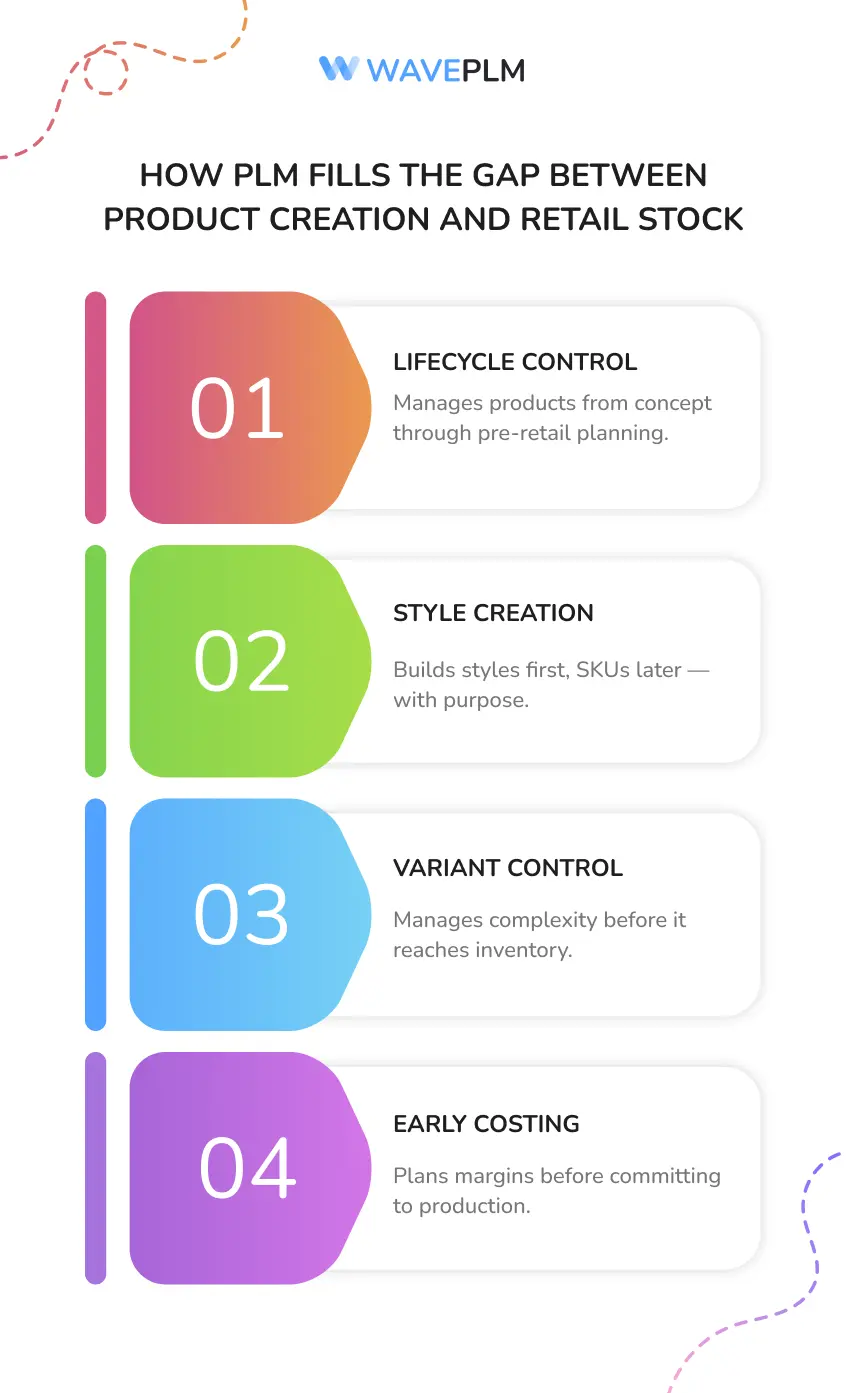
How PLM Fills That Gap
PLM systems manage the full product lifecycle. They support fashion businesses long before retail begins. PLM brings structure, visibility, and control.
Style & SKU creation
PLM tools create styles first. SKUs follow later in a controlled way.
PLM manages:
- Style codes and naming rules
- Collections and drops
- Seasons and timelines
- Product structure and attributes
This structure improves reporting accuracy and inventory planning downstream.
Variant control
Fashion products include many product variants. Sizes, colors, and fits increase inventory complexity quickly.
PLM controls:
- Variant logic and rules
- Size runs and grading
- Colorways and options
- SKU creation logic
Vend inventory then tracks finished inventory with confidence and clarity.
Costing & pricing before sell-through
PLM supports early costing and planning. Teams compare pricing plans against target margins before committing.
PLM enables:
- Detailed cost breakdowns
- Pricing and margin scenarios
- Better revenue forecasting
- Smarter investment decisions
Example Workflow: PLM → ERP → Vend Inventory
Modern retail operations rely on connected systems that each serve a clear purpose.
| Stage | Platform | Purpose |
|---|---|---|
| Design | PLM | Product creation and lifecycle control |
| Sourcing | PLM | Materials, costing, and suppliers |
| Operations | ERP | Orders, accounting, and logistics |
| Retail | Vend inventory | Stock control and sale tracking |
PLM prepares structured product data. ERP manages operational execution and accounting. Vend pos handles point of sale activity, reporting, and customer interactions.
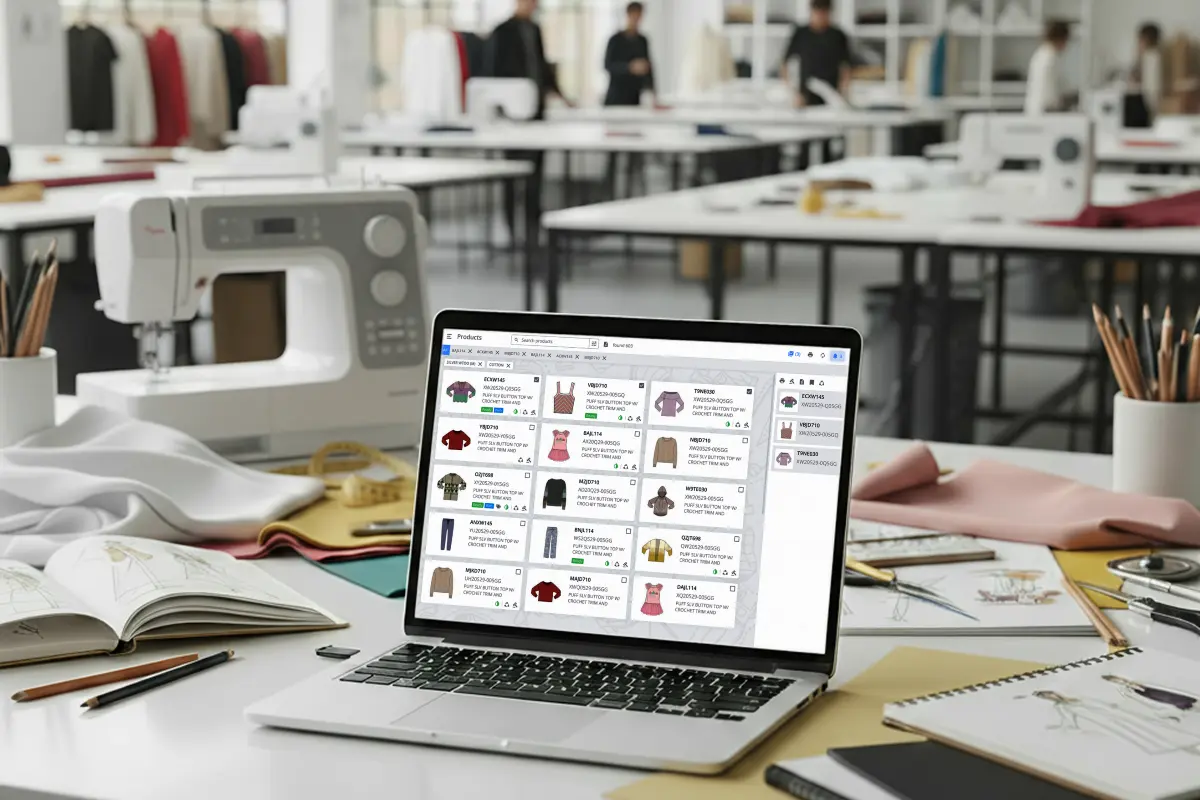
How Wave PLM Prepares Clean Product Data for Retail Systems
Wave PLM focuses on fashion-specific workflows. It acts before inventory reaches stores or ecommerce channels.
PLM helps businesses:
- Define inventory structures early
- Control product variants accurately
- Track costs and margins with confidence
- Connect teams across regions and locations
Wave PLM prepares clean, consistent data for vend inventory and lightspeed retail environments. Retailers gain better access to reporting, analytics, and real time insights.
This approach improves efficiency, reduces manual work, and supports long-term scale.
Frequently Asked Questions
Are Vend and Lightspeed the same?
Vend belongs to the Lightspeed company. Vend has rebranded as Lightspeed POS System (X-Series), marking a transformation in retail management. The X-Series represents a comprehensive, integrated retail management platform designed to support retail operations with advanced features and support resources. Lightspeed retail includes vend pos as part of its retail management platform and software offers.
What is Vend used for?
Vend is used as pos software. Retailers use it to manage inventory, process transactions, track customers, and review reporting.
Is Vend a good POS system?
Vend pos works well for many retailers. It supports real time reporting, customer management, inventory tracking, and daily operations.
What are the four types of inventory management?
The main types include raw materials, work in progress, finished goods, and retail inventory.
Conclusion
Vend inventory supports retail execution. It helps retailers manage inventory, customers, and sales in real time across stores and channels.
Fashion businesses need more than basic inventory management. They need visibility and control before retail begins.
Retail inventory vs plm explains why PLM matters. WavePLM fills the gap and connects clean product data to vend pos and retail systems.
If your business plans to scale, combine PLM with vend inventory to build a complete and future-ready solution.



Leave a Reply