
The fashion product development process is the backbone of how fashion brands turn ideas into finished garments. It connects creativity, planning, and manufacturing into one structured system. In today’s fashion industry, brands cannot rely on intuition alone. They need a clear process that transforms creative ideas into products customers actually buy.
There are crucial steps in the fashion product development process that must be followed systematically. Skipping these crucial steps can have serious consequences for brands. Only 10% of fashion startups survive long-term because they skip crucial steps, rushing to production without proper planning. The fashion industry loses billions every year because brands skip steps in the product development process.
This guide explains the entire process from concept to production. It focuses on how fashion products are developed in real business environments, not just how they are designed.
What Is the Fashion Product Development Process?
The fashion product development process is the structured workflow used to create fashion products from initial concepts through manufacturing and market launch. It includes planning, design development in fashion, technical preparation, sampling, costing, and production planning.
Fashion product development sits between creative vision and manufacturing execution. It ensures that ideas move forward with the right materials, quality standards, timelines, and costs. Without structure, even strong creative ideas struggle to reach the market.
This process supports fashion companies as they respond to market trends, customer needs, and commercial goals.
Why Product Development Is Different From Just Fashion Design
Fashion design focuses on creative expression, aesthetics, and visual inspiration. Fashion product development focuses on execution, feasibility, and scalability. Both matter, but they serve different purposes.
The fashion design process generates design ideas and initial sketches. Product development then tests those ideas against materials, manufacturing constraints, and market demands.
Design development in fashion bridges this gap. It refines creative concepts while aligning them with technical and commercial requirements.
| Fashion design | Fashion product development |
|---|---|
| Creative vision | Structured process |
| Trend driven | Market driven |
| Concept design | Production planning |
| Visual focus | Technical focus |
Brands that separate these roles create smoother workflows and better finished products.
Understanding Market Trends
Understanding market trends is a foundational step in the fashion product development process. Fashion designers and product developers rely on a combination of trend forecasting, market research, and data analytics to stay ahead of shifting consumer preferences and market demands. By closely monitoring fashion trends, analyzing customer needs, and studying competitor activity, fashion companies can identify opportunities for innovation and ensure their collections remain relevant.
The development process often begins with in-depth research into what potential customers are seeking, using tools such as social listening, focus groups, and sales data analysis. This insight allows teams to anticipate changes in the market and adapt their creative concepts accordingly. By integrating market trends into the product development process, brands can boost customer satisfaction, strengthen their brand reputation, and deliver products that resonate with their target audience.
Ultimately, a strong understanding of market trends empowers fashion companies to make informed decisions, reduce risk, and create collections that stand out in a crowded marketplace.
Key Stages of the Fashion Product Development Process
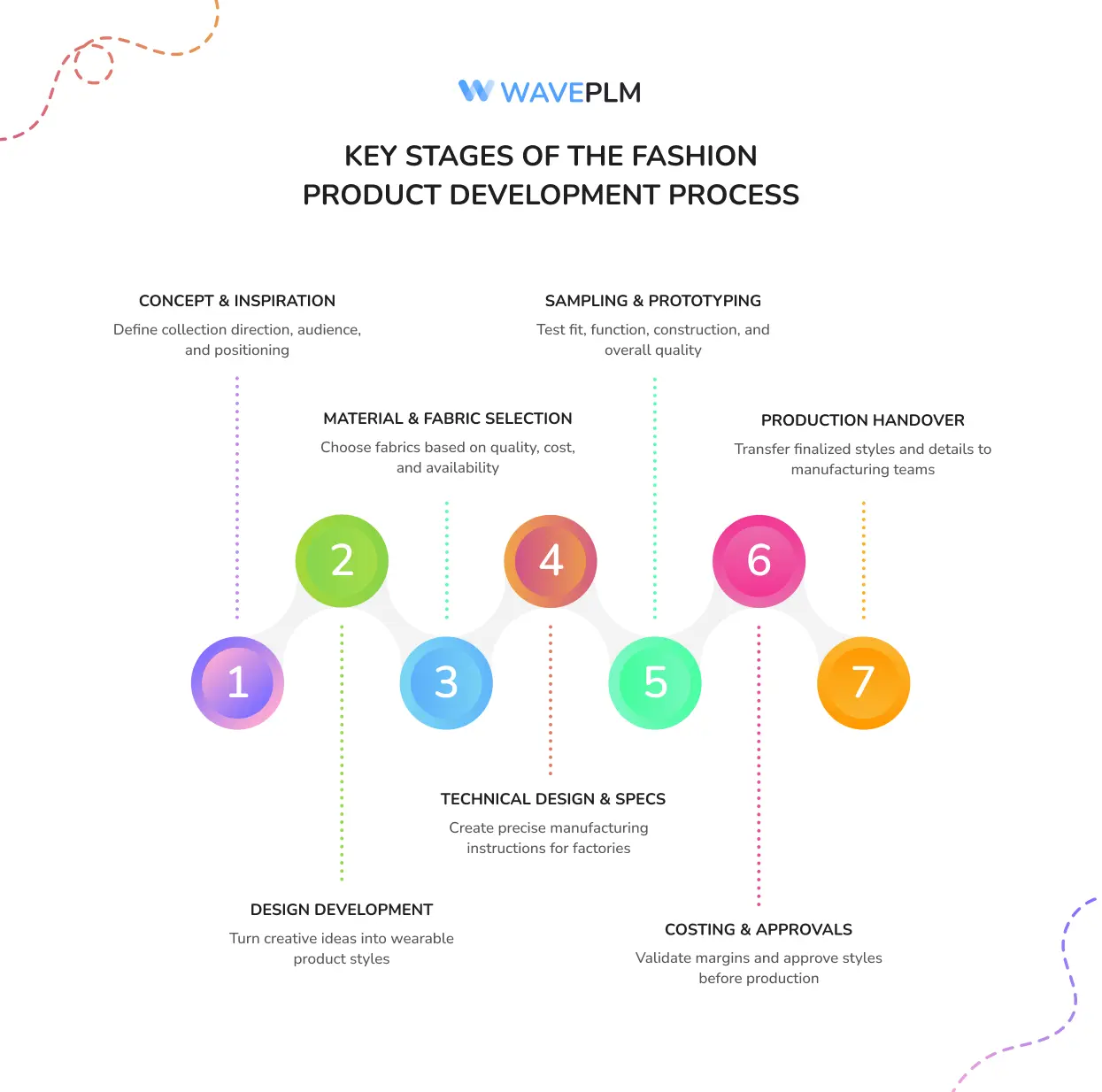
The fashion product development process follows a series of connected stages. Each stage builds on the previous one and reduces risk later in the development process.
Concept & Inspiration
Concept development defines the direction of the collection. Teams analyze market research, trend forecasting, historical references, and different cultures. They identify the target audience, price range, and product categories.
Mood boards, color stories, and visual inspiration help align designers and product developers. Strong initial concepts guide decisions throughout the entire process.
Key outputs include:
- Design concept definition
- Mood boards
- Trend analysis
- Line plan outline
Design Development
Design development in fashion translates the concept into wearable styles. Fashion designers create initial sketches, silhouettes, and proportions. This stage shapes the creative vision while considering feasibility.
Fashion design development also evaluates fashion trends, fabric drape, and construction complexity. Early alignment prevents costly changes later.
Designers collaborate with product developers to balance creativity and production reality.
Material & Fabric Selection
Material sourcing plays a major role in quality, cost, and environmental impact. Teams evaluate fabrics, trims, and components based on performance, availability, and price.
Fabric selection affects pattern making, pattern development, and manufacturing efficiency. Reliable sourcing agents and clothing manufacturers support this stage.
| Material criteria | Evaluation focus |
| Fabric drape | Fit and movement |
| Durability | Quality standards |
| Availability | Lead times |
| Cost | Development costs |
| Compliance | Industry regulations |
Technical Design & Specifications
Technical design converts creative designs into precise instructions. Technical designers create tech packs that define measurements, materials, construction methods, and labeling. Digital platforms allow designers to access a wider range of materials globally, improving the materials sourcing process.
Technical designers translate design concepts into detailed and standardized tech packs for manufacturers.
Tech packs serve as the single reference for sample development and manufacturing. Clear documentation improves quality control and reduces miscommunication. The tech pack is a crucial document that includes sketches and specifications necessary for manufacturing garments.
A complete tech pack includes:
- Flat drawings
- Bill of materials
- Measurement charts
- Pattern creation notes
- Construction details
Incomplete technical documentation leads to samples that don’t match expectations, requiring multiple revision rounds that delay launches and increase costs. Most tech packs are incomplete or unclear, causing 40% returns and multiple costly sample rounds.
Sampling & Prototyping
Sample development tests the design in physical form. Factories produce physical samples and virtual prototypes based on approved tech packs. Sample making is where the design becomes reality for the first time and is critical for identifying fit and construction issues.
Pattern makers refine pattern making and pattern creation during this stage. Teams review fit, function, and quality. Multiple iterations improve accuracy before production.
Virtual prototypes help reduce waste and speed up the development process. Also, virtual prototyping helps brands test multiple fabric options and designs without needing to produce physical samples, leading to significant cost savings.
Many brands rush to production after approving samples on a single fit model, leading to fit issues across different sizes. Ignoring manufacturing constraints often leads to styles that are impossible to produce at the target price point.
Poor communication with suppliers creates endless back-and-forth that delays production and increases costs.
Costing & Approvals
Costing evaluates materials, labor, and manufacturing expenses. Product developers compare costs against pricing strategy and margin targets.
Approval checkpoints help teams decide whether to move forward, revise the design, or drop the style. Clear approvals protect timelines and brand reputation.
Production Handover
Production handover marks the transition from development to manufacturing. Final tech packs, approved samples, and production planning details move to clothing manufacturers.
Accurate handover ensures factories deliver products consistently and on time. Strong documentation supports quality control and customer satisfaction.
Quality Control in Fashion Product Development
Quality control is a critical component of the fashion product development process, ensuring that every product meets the brand’s standards for quality, safety, and performance. From the initial design concept to the finished product, fashion companies implement rigorous quality control measures at each stage of the development process.
Quality control should occur at every stage of production, including incoming materials, cutting, sewing, and finishing.
This includes careful inspection of materials before production begins, ongoing monitoring of manufacturing processes, and thorough testing of finished garments to verify they meet established quality standards. By maintaining strict quality control, brands can prevent defects, minimize waste, and deliver products that meet or exceed customer expectations.
Effective quality control not only enhances customer satisfaction but also protects the brand reputation and reduces the risk of costly recalls or returns. By embedding quality assurance into every step of the process, fashion companies can consistently deliver high-quality products that reinforce their commitment to excellence.
Where Most Brands Struggle in Product Development
Many fashion companies struggle with the same issues across the fashion product development process. The planning, design, and development phase is typically the longest and has the widest variability among companies.
| Common issue | Business impact |
| Poor version control | Conflicting data |
| Manual tracking | Errors and delays |
| Late changes | Increased costs |
| Weak collaboration | Missed deadlines |
| Unclear ownership | Slow decisions |
These challenges often grow as brands scale or expand into e commerce.
How Design, Product & Production Teams Collaborate
Successful fashion development depends on seamless collaboration. Designers, product developers, technical designers, pattern makers, and sourcing agents must work from shared information.
Clear role definitions support faster decisions and reduce friction.
| Team role | Responsibility |
| Designers | Creative ideas and concepts |
| Product developers | Development process management |
| Technical designers | Technical design and fit |
| Pattern makers | Pattern making and grading |
| Production teams | Manufacturing execution |
Collaboration between designers and technical teams is essential to minimize costly errors and accelerate time-to-market. Digital platforms help teams collaborate across locations and time zones.
Why Data & Version Control Matter in Product Development
The fashion product development process generates large volumes of data. Styles evolve, materials change, and costs shift.
Without version control, teams lose visibility. Errors increase and trust breaks down.
Reliable data supports:
- Faster approvals
- Better quality control
- Accurate costing
- Consistent manufacturing
Data analytics also helps brands respond to market demands and customer feedback.
Digital Tools in Fashion Product Development
Digital tools have transformed the fashion product development process, enabling fashion designers, product developers, and manufacturers to work more efficiently and collaboratively. Technologies such as computer-aided design (CAD) software, product lifecycle management (PLM) systems, and 3D visualization platforms streamline the design process, automate pattern making, and allow for realistic simulations of fabric drape and garment construction.
The design development phase in fashion relies increasingly on digital tools to enhance precision and sustainability as of 2026. Digital tools allow designers to draft garments in 2D and visualize how they will fit and look in 3D, enabling fast iterations.
3D design and visualization allow brands to see how garments will look and fit before creating physical samples, reducing sample costs. AI-powered pattern creation can generate production-ready patterns from sketches in minutes instead of days, significantly speeding up the process.
These digital platforms facilitate seamless collaboration between designers, pattern makers, and suppliers, regardless of location. Real-time communication and feedback help teams quickly resolve issues, reduce development costs, and maintain high standards of quality throughout the process. By leveraging digital tools, fashion companies can accelerate the development process, minimize errors, and bring innovative products to market faster.
The integration of digital tools into the product development process not only improves efficiency but also supports creative exploration, allowing designers to experiment with new ideas and materials in a virtual environment before committing to physical samples.
How PLM Supports the Fashion Product Development Process
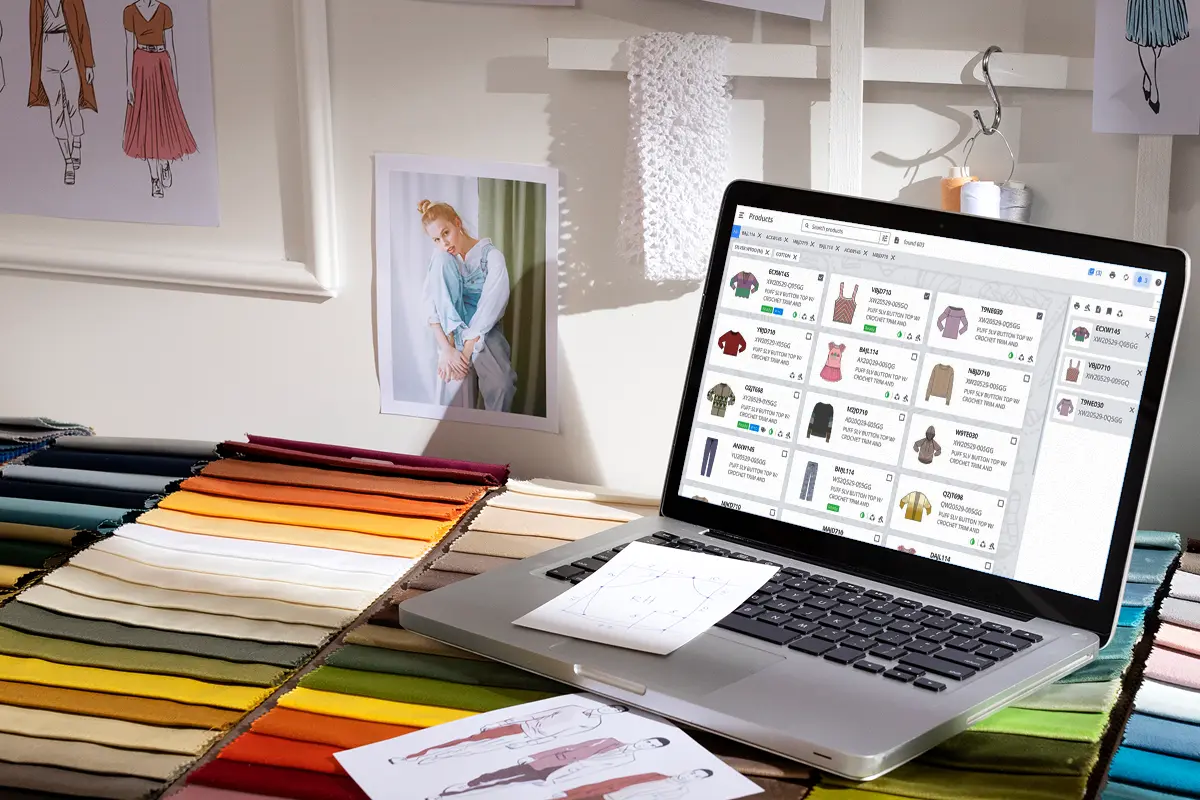
Product Lifecycle Management systems centralize and manage the fashion product development process. PLM connects design, development, sourcing, and production in one digital environment.
Wave PLM supports fashion brands by providing a single source of truth for product data. Teams manage tech packs, materials, virtual prototypes, and approvals in one system.
Wave PLM enables:
- Structured design development workflows
- Real-time version control
- Seamless collaboration with suppliers
- Faster sample development
- Clear production handovers
By replacing spreadsheets and disconnected digital tools, Wave PLM reduces errors and accelerates the entire process. It allows product developers and designers to focus on creating better products, not chasing information.
Sustainability and Social Responsibility in Fashion
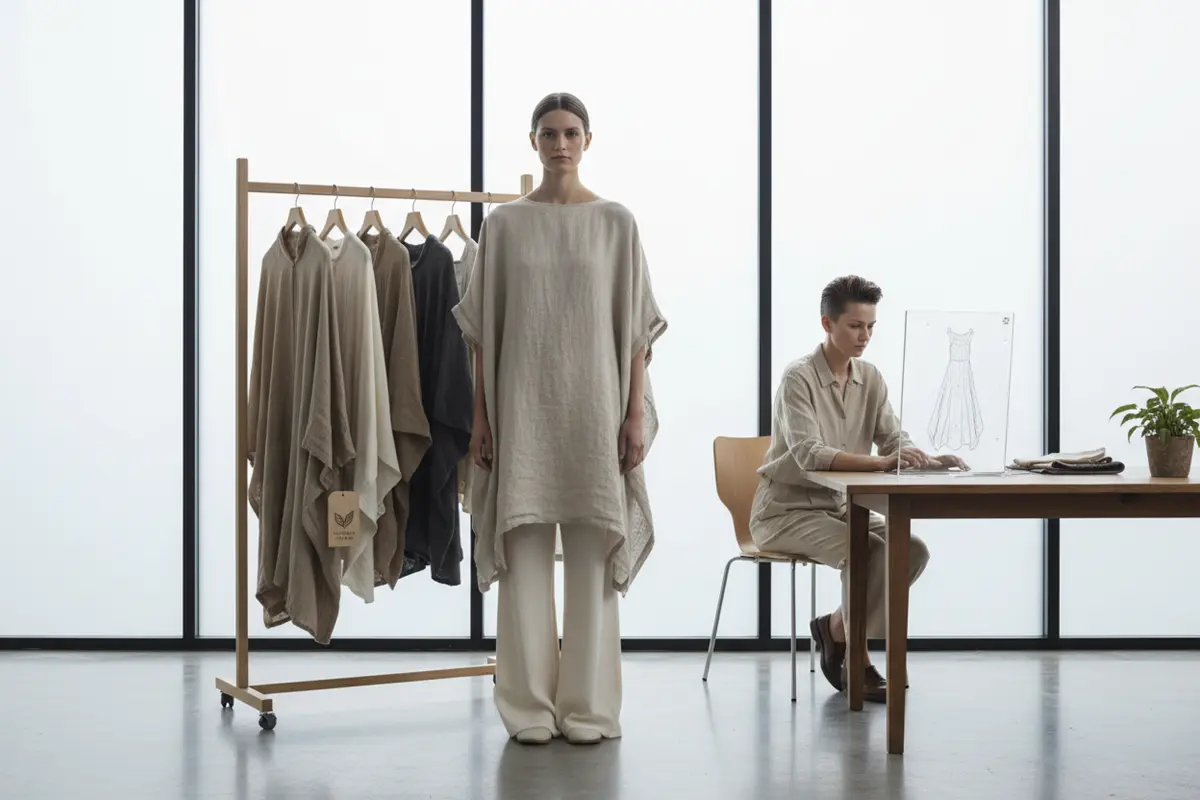
Sustainability and social responsibility have become essential priorities in the modern fashion industry. Fashion companies are increasingly expected to minimize their environmental impact and uphold ethical standards throughout the product development process. This includes choosing eco-friendly materials, reducing waste through efficient manufacturing practices, and implementing recycling or upcycling initiatives. Brands prioritize sourcing eco-friendly fabrics to enhance sustainability.
Social responsibility extends to ensuring fair labor practices, safe working conditions, and respect for human rights across the supply chain. Many fashion companies are also engaging in community outreach and educational programs to promote awareness and drive positive change within the industry.
By adopting sustainable and socially responsible practices, brands not only reduce their environmental footprint but also enhance their brand reputation and build trust with consumers. These efforts contribute to a more equitable and environmentally conscious fashion industry, positioning companies as leaders in responsible fashion development.
Sustainable development enhances brand reputation and meets consumer demand for transparency. Fashion brands can explore digital libraries of materials to evaluate their environmental impact. Using 3D digital fashion platforms reduces development costs and material waste. Utilizing 3D visualization can accelerate development and reduce the time from design to retail.
Sourcing decisions in fashion design are critical for meeting sustainability goals, aligning with budget and design intent. Sustainability in design development includes selecting eco-friendly materials and using digital tools to reduce waste from excessive sampling.
Launch and Marketing of Fashion Products
The launch and marketing of fashion products are pivotal stages in the fashion product development process, bridging the gap between creation and customer engagement. Fashion companies develop comprehensive marketing strategies to introduce new products to their target audience, leveraging digital tools, e-commerce platforms, and social media to maximize reach and impact.
Effective marketing campaigns are built around a deep understanding of the target audience, using compelling storytelling, influencer partnerships, and event marketing to generate excitement and drive sales. Public relations efforts and strategic collaborations further amplify brand visibility and create buzz around new launches.
By integrating digital platforms into their marketing strategies, fashion companies can track performance, gather customer feedback, and refine their approach in real time. A successful product launch not only drives immediate sales but also strengthens brand loyalty and sets the stage for long-term growth in a competitive industry.
Conclusion
The fashion product development process transforms creative ideas into finished products ready for market launch. It connects fashion design, technical execution, and manufacturing into one reliable system.
Brands that invest in strong development processes deliver products faster, control quality, and protect margins. With the right structure and digital tools like Wave PLM, fashion companies scale without losing creative vision.
Explore related guides on design management, digital design development, and fashion supply chain optimization on blog.waveplm.com to continue building a connected product strategy.


Leave a Reply