

Marketing in the fashion industry feels exciting and overwhelming at the same time. New collections arrive quickly. Trends shift without warning. Customers scroll endlessly on social media. In such a competitive fashion industry, random promotion does not work. You need structure, clarity, and consistency.
This guide explains how to market a fashion brand with a clear, step-by-step approach. You will learn how to build a strong brand identity, design a solid marketing strategy, use digital marketing channels wisely, and align marketing efforts with product and data. Along the way, you will also find clothing brand marketing ideas, practical templates, and actionable strategies that you can apply immediately.
Let’s begin with the foundation.
Why Marketing Works Differently in the Fashion Industry
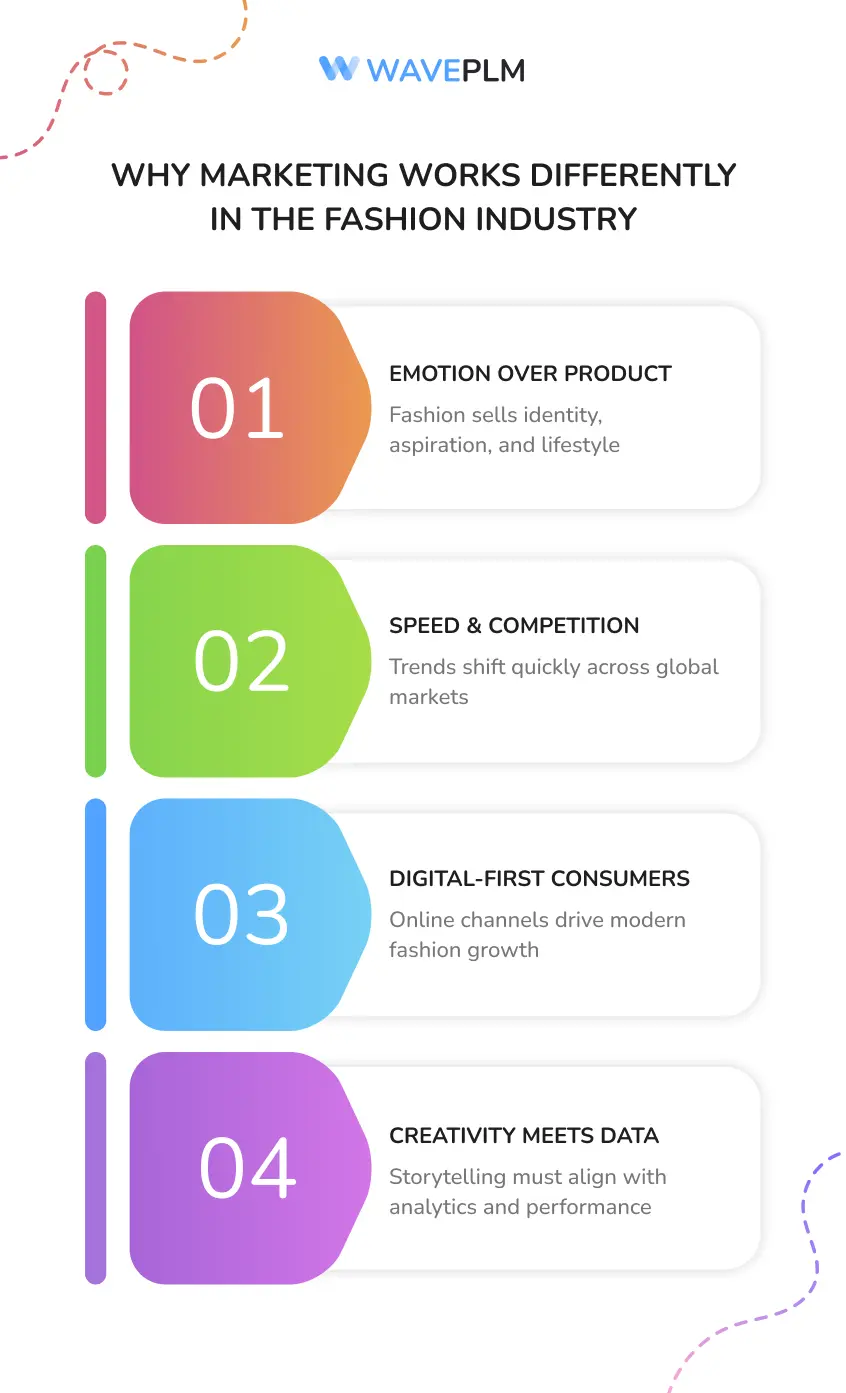
The fashion industry does not sell products alone. It sells emotion, aspiration, and lifestyle. Fashion brands often position themselves as symbols of identity rather than simple retailers. Because of that, fashion marketing must connect on a cultural and personal level.
At the same time, the competitive fashion industry moves fast. Seasonal trends and trend forecasting influence production cycles. Fashion trends change based on influencers, runway shows, and social media conversations. Therefore, fashion marketers must react quickly while protecting margins.
Moreover, customers now spend more time shopping online. In 2020, online sales accounted for nearly 30% of all fashion purchases. Digital marketing has become essential for fashion brands that want to reach new customers and drive sales consistently.
In short, success lies in combining creativity with data. Strong fashion marketing balances storytelling, analytics, and operational discipline.
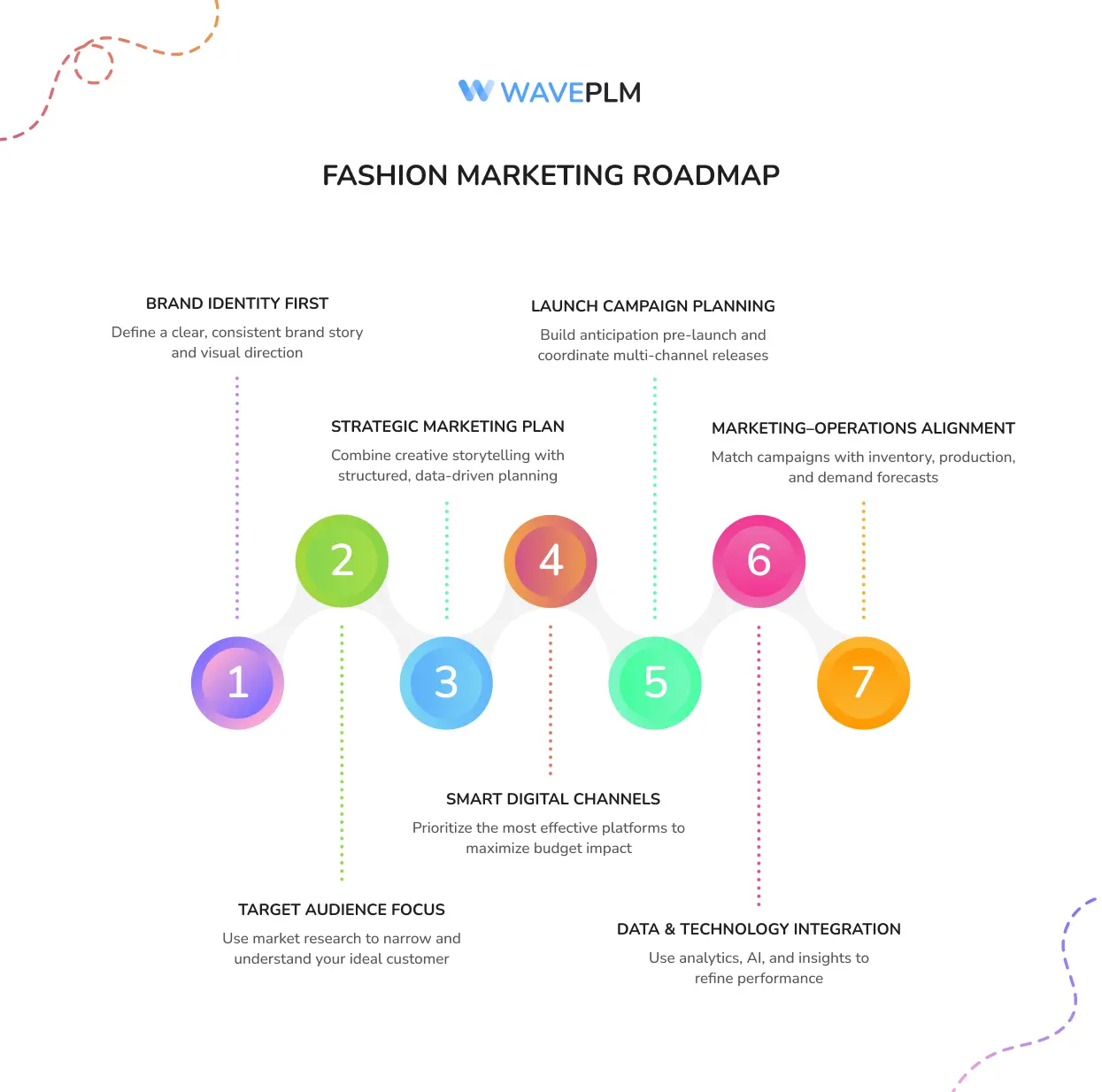
Step 1: Build a Strong Brand Identity
Every clothing brand needs a clear identity before launching campaigns. A strong brand identity is the backbone of marketing for clothing brands. Without it, even the best paid ads fail.
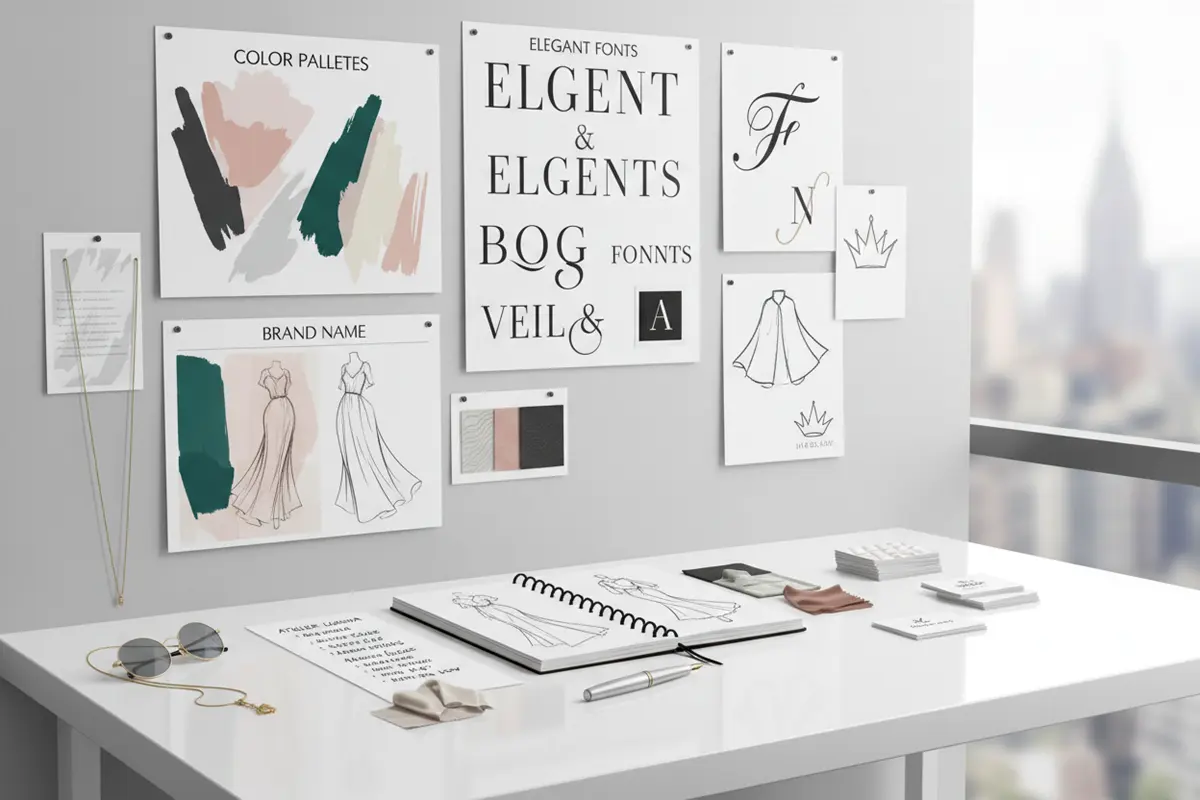
Your brand identity should resonate with your target audience and distinguish you from competitors. Everything—your logo, messaging, packaging, and overall look—should tell your story and reflect what your brand represents. A recognizable brand identity with consistent colors, logo, and tone makes it easy for customers to spot you in a crowded market.
Brand Identity Framework
| Element | Key Question | Practical Action |
|---|---|---|
| Brand Values | What do you stand for? | Define 3–5 core brand values |
| Brand Story | Why did you start? | Write a clear brand story page |
| Visual Design | How should people feel? | Create visual guidelines |
| Voice | How do you sound? | Define tone for all channels |
Successful fashion marketing builds a strong brand identity that resonates with consumers on a personal and cultural level. Authenticity matters in fashion brand marketing because shoppers gravitate toward brands that reflect their own values. If you use sustainable materials or transparent manufacturing processes, communicate that clearly.
Consistency in visual design helps customers recognize your brand instantly. Over time, this consistency strengthens brand loyalty and builds trust.
Step 2: Define Your Target Audience with Market Research
Next, focus on your target audience. Many fashion brands fail because they try to attract everyone. Instead, narrow your focus.
Start with market research. Study demographic data, purchasing behavior, and customer preferences. Analyze competitors in the fashion industry. Look at pricing, positioning, and communication style. Market research provides valuable insights into what works and what customers expect.
Create a clear profile of your target customer.
Target Customer Template
| Category | Description |
| Age Range | 25–35 |
| Lifestyle | Urban, career-focused |
| Shopping Behavior | Shopping online via mobile |
| Values | Sustainability and quality |
| Price Sensitivity | Mid to premium |
Fashion marketers analyze purchasing patterns and engagement metrics to ensure campaigns resonate with the right audiences. Tools like Google Analytics help you track website traffic, conversion rate, and customer journeys. These data points reveal customer insights that guide smarter marketing strategy decisions.
Understanding consumer behavior allows you to engage customers more effectively and motivate customers with relevant offers.

Step 3: Create a Solid Marketing Strategy
Once you define your brand identity and target audience, build a solid marketing strategy. A successful marketing strategy for a clothing brand combines creative storytelling with data-driven planning.
Your marketing strategy should include:
- Clear goals to drive sales and boost sales volume
- Defined marketing budget allocation
- Channel selection
- Campaign calendar
- Key performance indicators (KPIs)
The 5 P’s of Marketing Strategy
| P | Meaning | Fashion Example |
| Product | What you sell | Seasonal fashion products |
| Price | Pricing approach | Premium sustainable line |
| Place | Where you sell | Online store + pop up shops |
| Promotion | How you promote | Social media ads + email marketing |
| People | Customer experience | Personalized support team |
Fashion marketing is a specialized branch that promotes clothing brand collections to specific audiences. In a competitive fashion industry, your marketing efforts must support brand’s visibility and long-term positioning.
Effective fashion marketing strategies create a cohesive approach that enhances visibility and appeal. All these efforts should align with production timelines and seasonal trends.

Step 4: Use Digital Marketing Channels Wisely
Today, digital marketing drives growth for most fashion brands. However, using every channel at once drains your marketing budget. Instead, prioritize strategically.
Social Media
Social media plays a central role in fashion marketing. Platforms like Instagram, TikTok, and Pinterest dominate visual storytelling. Visual social media platforms are essential for high-impact communication in the fashion industry.
High quality visuals attract attention and increase social media engagement. Share styling videos, behind-the-scenes clips, and social media posts that highlight your brand values. Shoppable posts allow customers to purchase directly from social media platforms.
Use social media channels consistently to reach potential customers and new audiences. Social media ads can amplify reach when organic growth slows. When executed correctly, social media enhances brand’s visibility and helps drive sales.
Influencer Marketing
Influencer marketing remains powerful in fashion marketing. Micro-influencers with 10k–100k followers often generate authentic engagement. Collaborating with influencers who align with your brand values allows fashion brands to reach new audiences and gain credibility.
Top fashion marketing strategies include leveraging Instagram and TikTok creators while focusing on authentic storytelling instead of traditional advertising. This approach can create buzz around product launches and new collections.
Email Marketing
Email marketing continues to deliver strong results for clothing brand growth. Email marketing strengthens customer relationships and encourages repeat customers.
Use email marketing platforms to send welcome sequences, abandoned cart reminders, and tailored email campaigns based on past purchases. Personalized shopping experiences increase customer satisfaction and build brand loyalty.
Email marketing also supports word of mouth marketing by encouraging referrals and reviews.
Search Engine Optimization and Content Marketing
Search engine optimization helps your online store appear in search results. SEO involves using keywords and phrases that match customer intent. Creating engaging content such as blog posts and style guides improves website traffic and builds authority.
Regular updates signal relevance to search engines. Over time, SEO-driven content marketing attracts potential customers organically.

Step 5: Plan Pre-Launch and Product Launch Campaigns
Pre-launch marketing can create hype before a new collection drops. Share teasers, fabric previews, and behind-the-scenes content to build anticipation. Collect emails during this phase to prepare for launch day.
During product launches, coordinate social media, email marketing, and paid ads. Limited-time offers motivate customers to act quickly.
Launch Checklist
| Phase | Key Actions |
| Teaser | Countdown posts, influencer previews |
| Launch | Email blast, social media ads |
| Post-Launch | Retargeting and customer feedback |
Fashion events and pop up shops add experiential marketing elements. These immersive experiences allow customers to interact physically with fashion products. Experiential campaigns create memorable moments that engage customers beyond digital screens.
Step 6: Integrate Data and Technology
Fashion marketing requires a deep understanding of analytics. Data-driven decisions help fashion brands refine their marketing strategy and adapt to industry trends.
Use Google Analytics to measure website traffic, bounce rate, and conversion rate. Track KPIs to evaluate marketing efforts objectively. AI-driven curation can reduce choice overload and improve personalized product recommendations.
Collect zero-party data through quizzes and polls to understand customer preferences. Over time, these valuable insights improve targeting and increase customer satisfaction.
Digital product passports can also strengthen transparency by linking garments to supply chain history. In a competitive fashion industry, transparency builds trust.

Step 7: Align Marketing with Operations
Marketing fails when operations lag behind. If stock runs out after a campaign, frustration grows. Align marketing strategy with production planning and manufacturing processes.
Forecast demand using trend forecasting and historical sales data. Coordinate seasonal trends with inventory planning. This discipline ensures you can drive sales without damaging brand loyalty.
Strong coordination between departments ensures that marketing efforts translate into real revenue.

Common Clothing Brand Marketing Ideas That Work
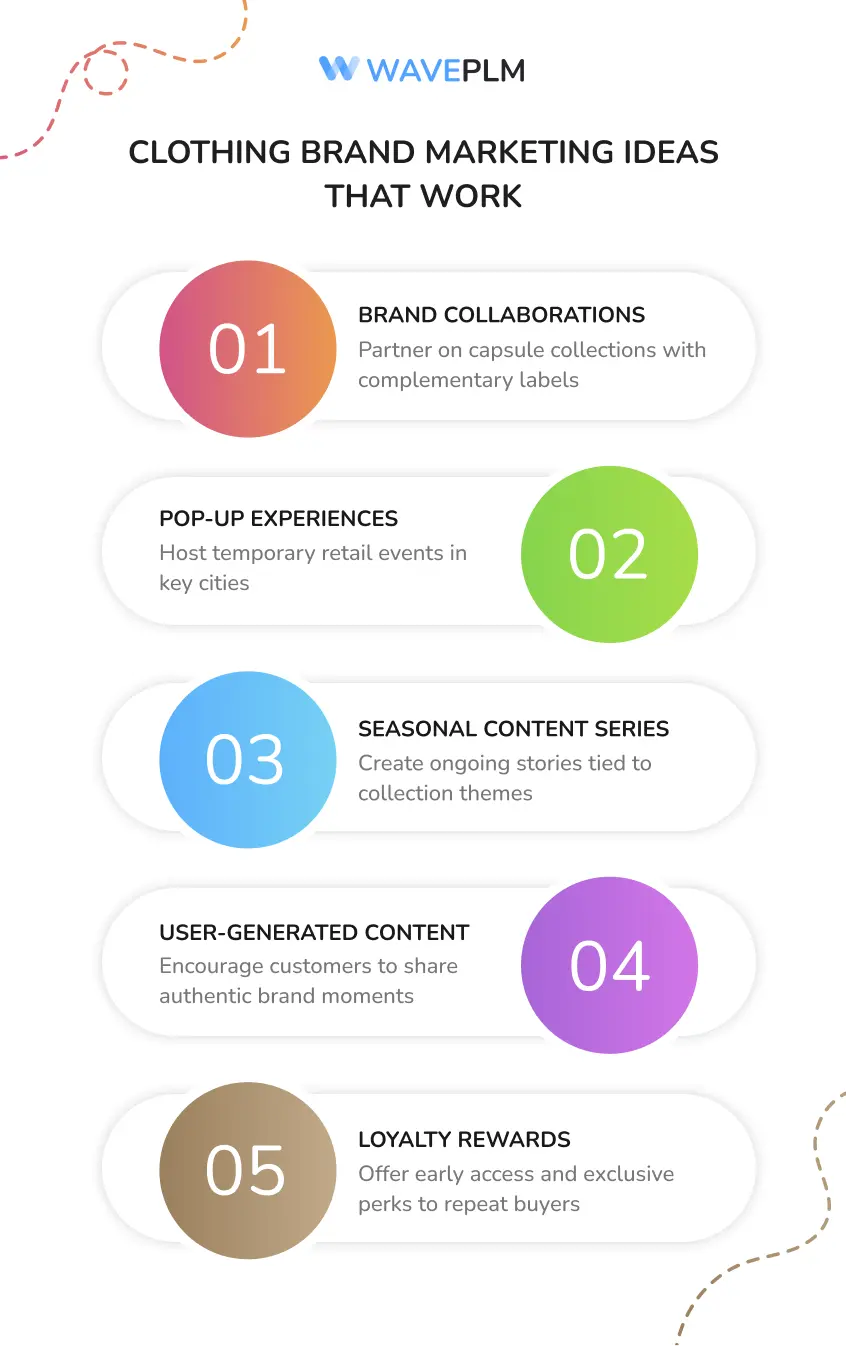
Here are practical clothing brand marketing ideas you can implement:
- Collaborate with complementary brands for capsule collections
- Host pop up shops in key cities
- Launch serialized content around seasonal themes
- Encourage user-generated content to create engaging content
- Reward loyal customers with early access
Each of these clothing brand marketing ideas supports a broader marketing strategy and increases brand’s visibility.
Frequently Asked Questions
What is the 3-3-3 rule for clothing?
The 3-3-3 rule for clothing suggests building outfits with three tops, three bottoms, and three pairs of shoes to create multiple combinations. Fashion marketers often use this concept in content marketing to simplify styling advice and motivate customers.
What is the 3-3-3 rule in marketing?
In marketing, the 3-3-3 rule often refers to engaging audiences within three seconds, communicating value within thirty seconds, and driving action within three minutes. This principle applies strongly in social media campaigns within the fashion industry.
What are the 4 P’s of fashion marketing?
The 4 P’s of fashion marketing include Product, Price, Place, and Promotion. Fashion marketers adapt these principles specifically to clothing brand positioning and distribution channels.
What are the 5 P’s of marketing strategy?
The 5 P’s of marketing strategy expand the framework to include People. In fashion marketing, People represent customer service, brand ambassadors, and the community that shapes customer relationships.
Building Long-Term Brand Loyalty
Fashion marketing is no longer just about selling fashion products. It focuses on experience. Building personal, ongoing relationships with customers strengthens customer relationships and encourages repeat customers.
Gather valuable feedback regularly. Listen to customer feedback after product launches. Adapt quickly when patterns emerge. When customers feel heard, brand loyalty grows naturally.
Modern fashion marketers focus on community building and human connection. By 2026, slow advertising and niche storytelling will dominate the fashion industry. Brands that create immersive experiences and personalized communication will stand out.
Final Thoughts
The fashion industry rewards brands that combine creativity with discipline. To succeed, build a strong brand identity, define your target audience, and implement a solid marketing strategy. Use digital marketing tools wisely, invest in email marketing, and prioritize social media engagement.
Above all, align marketing efforts with production and data. In a crowded market, clarity wins. When your clothing brand communicates consistent brand values, delivers high quality visuals, and responds to customer insights, growth follows.
Fashion marketing requires patience, experimentation, and structure. Yet with the right actionable strategies, you can attract new customers, engage customers deeply, and drive sales sustainably.




Leave a Reply