

Brand and fashion define how people experience value in the fashion industry. A successful fashion business does not rely on trends alone. It builds a clear identity and translates that identity into products, prices, and processes. When identity, product, and execution align, brands grow with consistency and trust.
Strong brand identity and storytelling help a fashion brand stand out in a crowded market. Many fashion companies struggle because branding stays abstract. Strategy decks look polished, but daily decisions ignore them. This guide explains how brand and fashion connect at a practical level. It focuses on design, pricing, quality, and systems that protect brand value over time.
Consumers in 2026 prefer genuine brand missions and unscripted storytelling over superficial trends.
Introduction to Fashion Brands
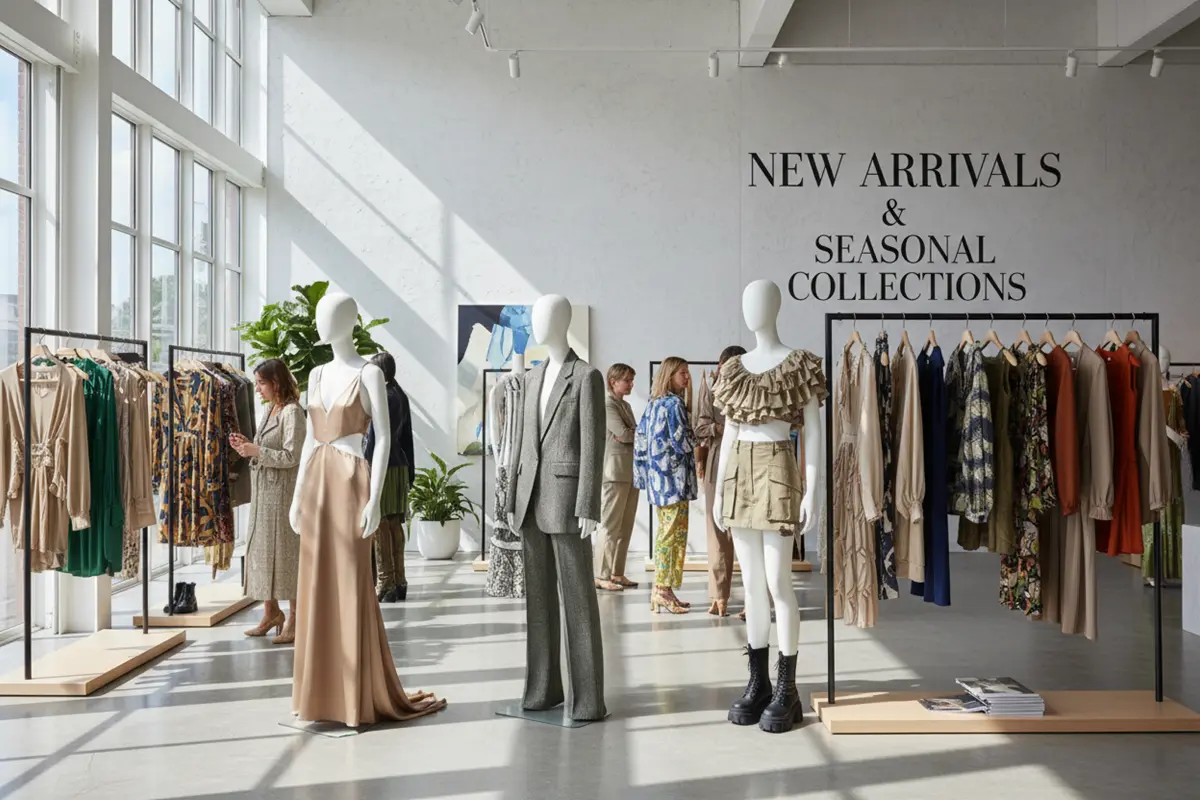
The fashion industry is a vibrant landscape shaped by a multitude of brands, each with its own unique identity and approach to style. From iconic luxury designers to innovative contemporary labels, brands compete to capture the attention of consumers with distinctive new arrivals and creative collections. The constant influx of new arrivals keeps the industry dynamic, offering fresh options for every taste and occasion.
Designers play a pivotal role in defining the direction of their brands, setting trends that influence the world’s fashion scene. Whether it’s a limited-edition drop or a seasonal collection, the excitement around new arrivals drives engagement and keeps fashion enthusiasts coming back for more. In today’s fast-paced market, staying updated on the latest offerings from top brands is essential for anyone looking to express their personal style and stay ahead of the curve.
Why Fashion Branding Goes Beyond Marketing
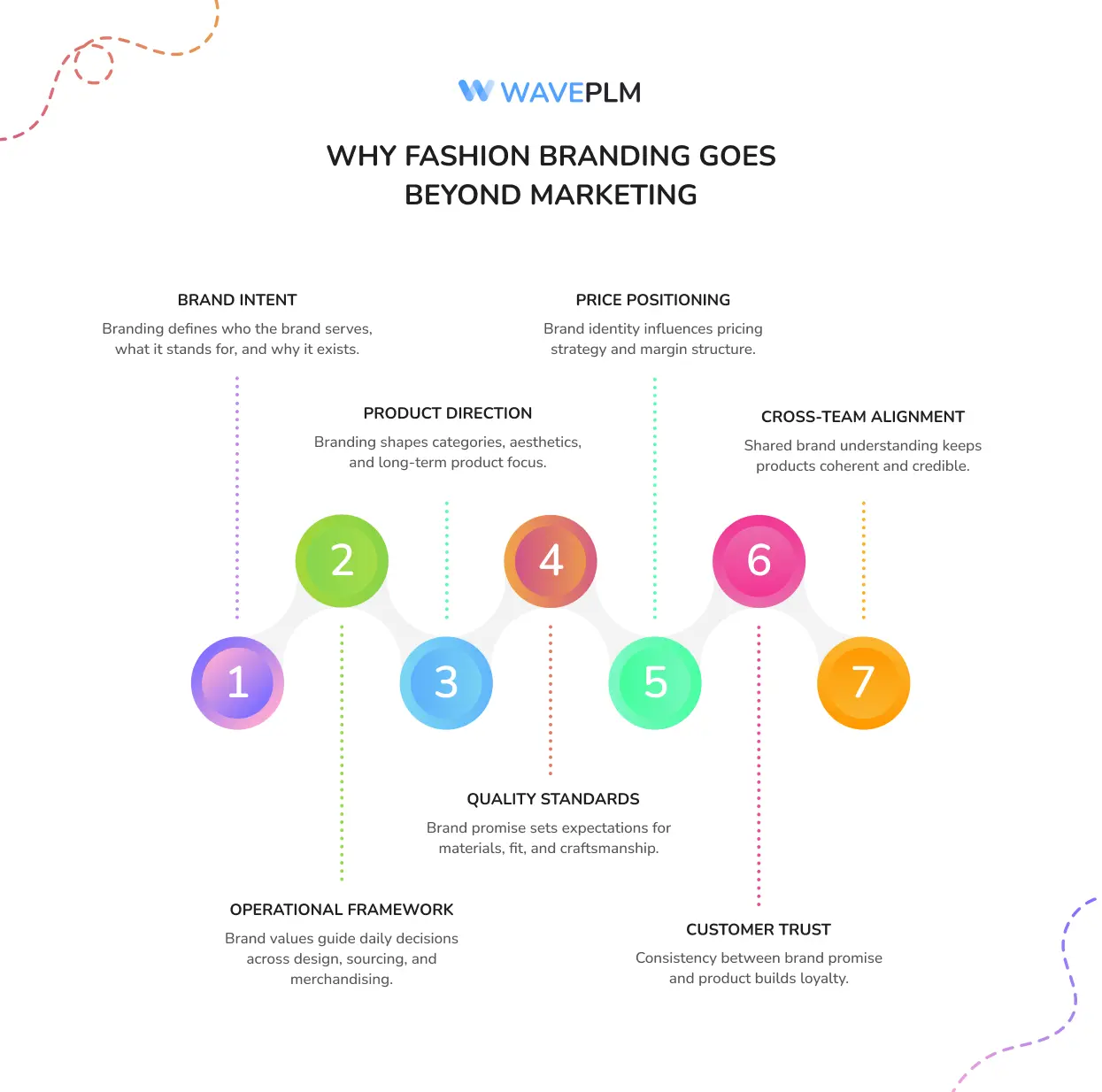
Fashion branding does not start with campaigns or visuals. It starts with intent. Brand in fashion defines who the brand serves, what it stands for, and why it exists. Marketing communicates this reality, but it cannot create it alone.
Strong brands treat branding as an operational framework. Designers, merchandisers, and sourcing teams use it daily. Every decision either strengthens or weakens the brand promise.
Fashion branding goes beyond marketing because it shapes:
- Product direction and category focus
- Quality expectations and tolerances
- Price positioning and margins
- Customer trust and loyalty
When teams isolate branding inside marketing, products lose coherence. Customers notice the gap quickly.
How Brand Identity Influences Design Choices for Brands
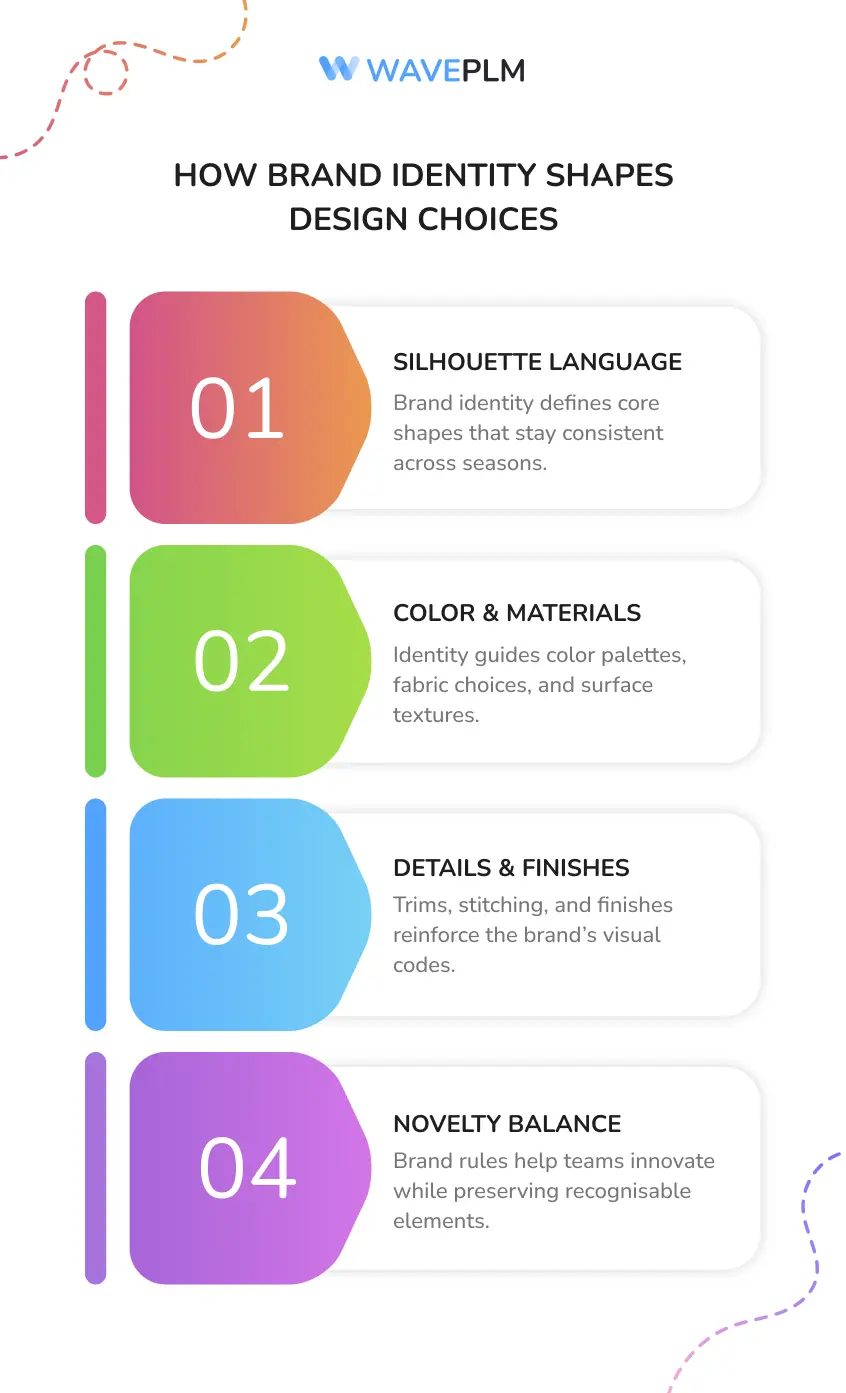
Brand identity gives designers clarity. It defines aesthetic codes, emotional tone, and functional priorities. Without this structure, collections become inconsistent.
Designers work faster and better when identity sets boundaries. These boundaries do not restrict creativity. They focus it.
Brand identity influences:
- Silhouette language across seasons
- Color stories and material textures
- Details such as trims and finishes
- Balance between novelty and continuity
The world’s most recognizable brands repeat core elements. They refine them each season. This repetition builds recognition and confidence.
A clear fashion brand strategy turns identity into usable design rules. These rules live beyond individual designers.
Brand Positioning, New Arrivals, and Fashion Price Points
Price communicates meaning before customers touch the product. In brand and fashion, price must reflect positioning.
Customers use price as a shortcut. They judge quality, status, and credibility within seconds. A mismatch damages trust.
Effective price architecture includes:
| Price Level | Strategic Role |
|---|---|
| Entry | Controls accessibility |
| Core | Represents brand value |
| Hero | Signals aspiration |
Brands often let costs dictate price. Strong brands reverse this logic. They define price first, then design and source accordingly.
Sales events, sale timing, and markdown strategy must also align. Overuse erodes long-term value and brand authority.
Luxury Fashion
Luxury fashion represents the pinnacle of style, craftsmanship, and exclusivity. Renowned brands and designers in this segment are celebrated for their meticulous attention to detail, use of premium materials, and commitment to innovation. Each piece is a testament to the designer’s vision, often blending tradition with modernity to create truly unique products.
The digital era has transformed how consumers access luxury fashion. With the loading of new content on e-commerce platforms, shoppers can now explore the latest collections, designer collaborations, and exclusive releases from the comfort of their homes. Brands frequently update their pages with editorial content, behind-the-scenes stories, and special sales, making luxury fashion more accessible while maintaining its aura of sophistication. This seamless integration of content and commerce ensures that luxury brands remain at the forefront of the world’s fashion conversation.
How Brand Strategy Impacts Materials and Quality
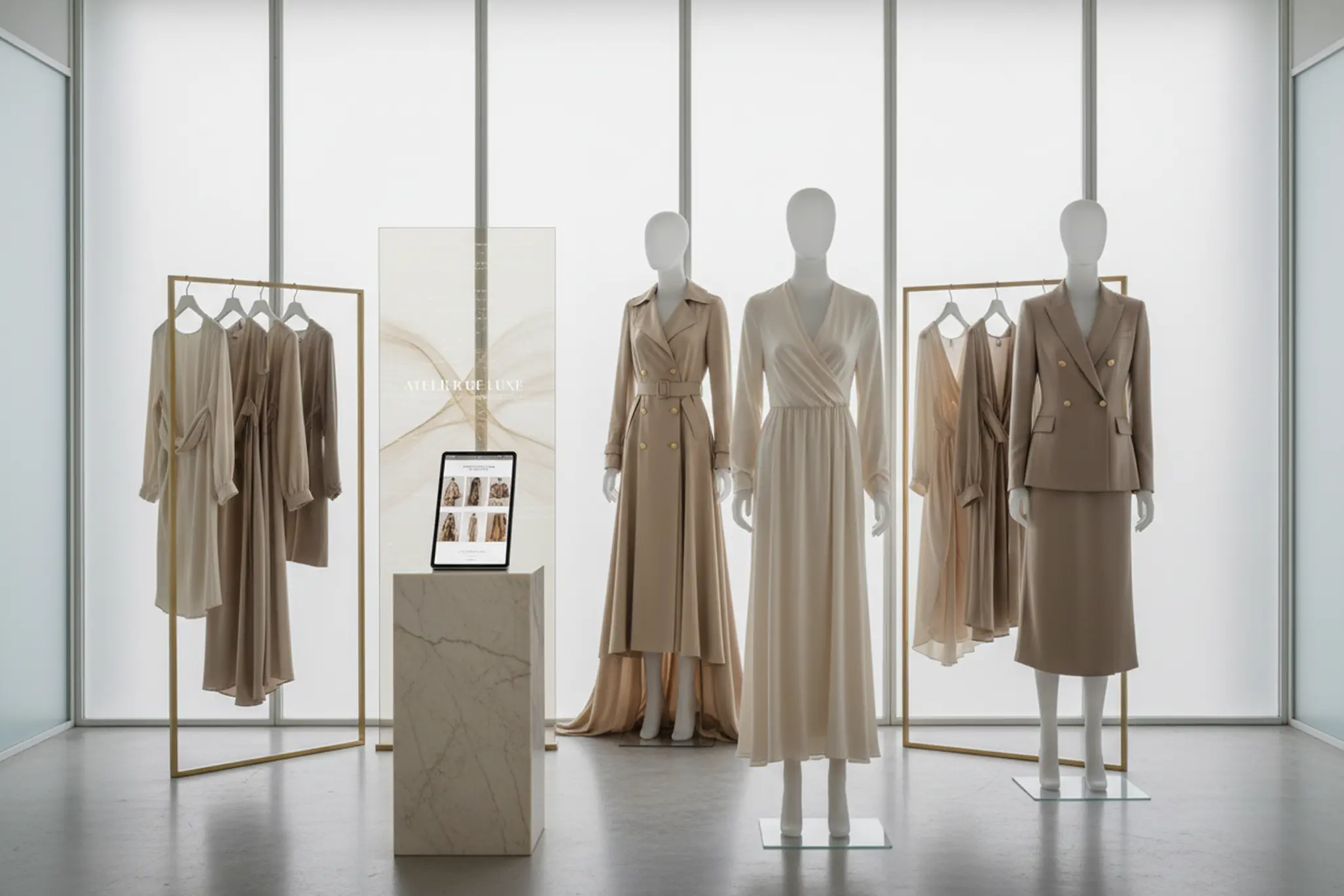
Materials translate brand promises into physical reality. Customers feel quality through touch, wear, and longevity.
A clear fashion brand strategy sets material standards early. These standards guide suppliers and protect consistency.
Material choices influence:
- Durability and performance
- Sustainability perception
- Return rates and complaints
- Overall brand reputation
When brands compromise quality, customers respond immediately. Trust disappears faster than it builds.
Quality control protects identity. It ensures that every piece reflects the brand, not just the concept.
Consistency Across Collections and Seasons
Consistency builds recognition. Customers return because they know what the brand delivers.
Each collection should feel familiar but updated. Core elements remain stable while details evolve.
Consistency appears in:
- Fit standards and sizing logic
- Signature colors and shapes
- Repeating materials and finishes
- Cohesive storytelling
As teams grow, consistency becomes harder. New designers and markets increase complexity. Systems replace memory.
Documented brand codes help teams align across regions and seasons.
Fashion and Culture
Fashion is more than just clothing—it’s a reflection of the cultural landscape. The world’s leading designers often draw inspiration from art, music, and social movements, infusing their collections with the spirit of the times. As new arrivals from top brands hit the market, they frequently mirror the current cultural mood, offering consumers a way to express their identity and values through style.
Digital platforms have become a vital window into this creative process. The loading of fresh content on brand pages—such as behind-the-scenes features, designer interviews, and editorial stories—gives audiences a deeper look at the influences shaping each collection. This ongoing dialogue between culture and fashion ensures that brands remain relevant, while also empowering individuals to use fashion as a tool for self-expression and connection.
Fashion Trends and Forecasting
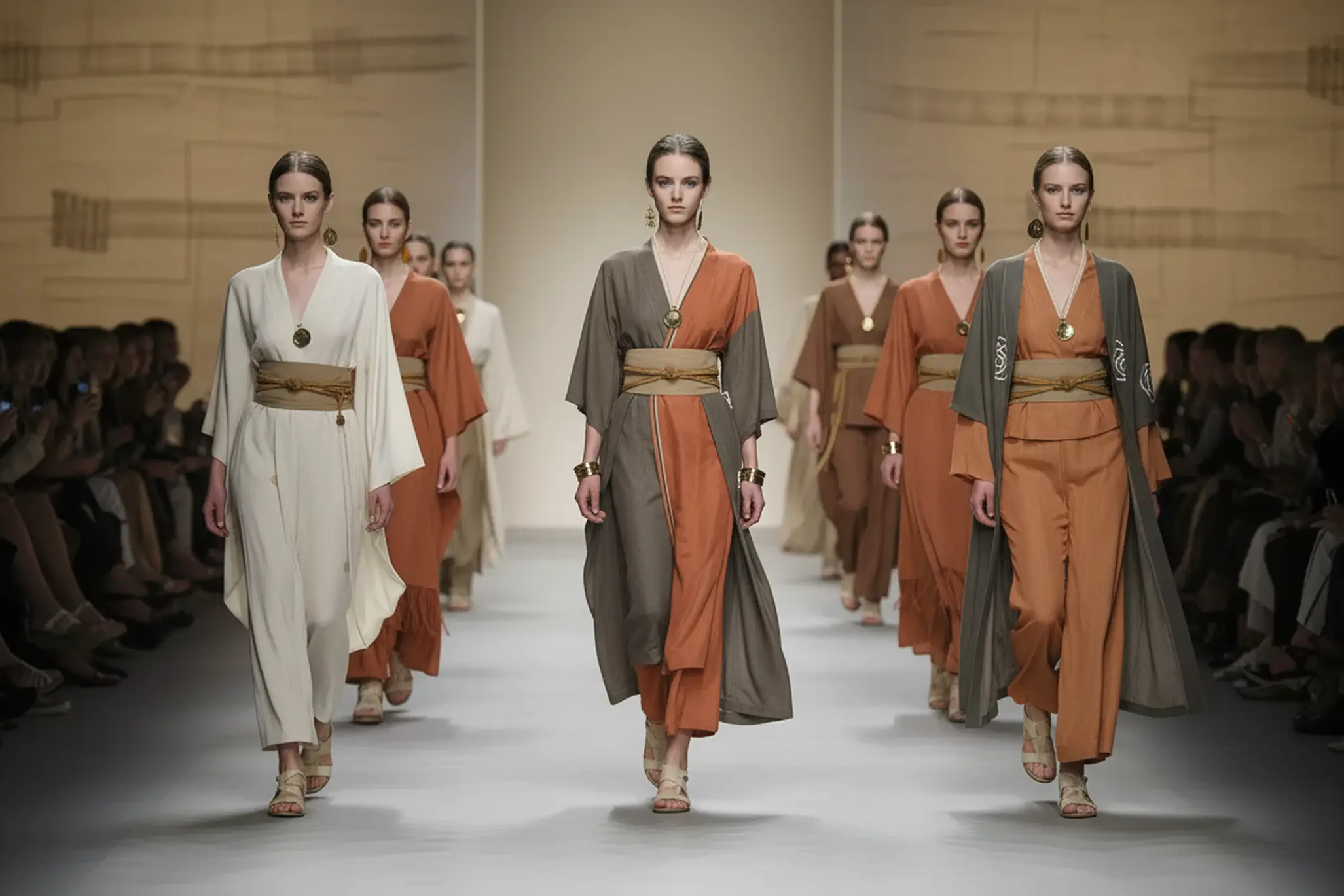
Staying ahead in the fashion industry requires a keen eye for trends and a robust approach to forecasting. Brands and designers rely on trend analysis to anticipate what consumers will want next, ensuring that new arrivals align with market demand. The success of a collection often hinges on timing—launching the right product at the right moment can drive both page traffic and sales.
Today, data analytics and machine learning play a crucial role in forecasting, allowing brands to track engagement metrics, analyze consumer behavior, and refine their strategies. The world’s top designers use these insights to inform their creative direction and marketing campaigns, ensuring that each new arrival resonates with their audience. Limited-time sales and exclusive promotions further capitalize on trending moments, turning insights into increased orders and brand loyalty.
Consumer Behavior and Preferences
Understanding what drives consumer choices is essential for brands aiming to thrive in a competitive market. By loading consumer data into advanced analytics platforms, brands can uncover patterns in shopping habits, preferences for certain designers, and the popularity of specific new arrivals. This data-driven approach enables brands to tailor their offerings, from exclusive content and early access to new arrivals, to targeted sales and promotions.
Direct engagement through social media and email marketing allows brands to build relationships with their audience, offering personalized experiences that foster loyalty. For example, announcing a sale on new arrivals or providing behind-the-scenes content can incentivize purchases and increase orders. By continuously analyzing feedback and behavior, brands can adapt quickly, ensuring that their latest arrivals and designer collaborations meet evolving consumer expectations.

Sustainability and Ethics in Fashion
Sustainability and ethics have become central to the modern fashion landscape. Consumers are increasingly seeking brands and designers that prioritize eco-friendly materials, fair labor practices, and transparent supply chains. This shift has opened a window of opportunity for brands to lead with responsibility and innovation.
Top designers and brands are responding by integrating sustainable materials and ethical production methods into their new arrivals, reducing environmental impact while maintaining style and quality. Digital technologies, such as 3D design and virtual prototyping, help minimize waste and streamline the creative process. As the world’s fashion leaders invest in sustainability initiatives, they not only meet consumer demand but also set new standards for the industry, proving that ethics and aesthetics can go hand in hand. Sustainable practices are expected as standard, with bio-fabricated materials and recycled fibers gaining prominence by 2026.

E-commerce and Online Shopping
E-commerce has opened a new window into the world of fashion, making it easier than ever to discover and shop for products from leading brands and designers. Online platforms offer a curated selection of new arrivals, allowing consumers to browse the latest trends and must-have pieces with just a few clicks. The convenience of online shopping is enhanced by features like priority support, instant replacement, and detailed product content, ensuring a smooth and satisfying experience.
Many e-commerce sites go beyond simple transactions by offering exclusive content, such as newsletters that highlight upcoming arrivals, special sales, and designer spotlights. This approach keeps shoppers informed and engaged, helping them make confident choices and stay connected to the world’s most exciting fashion brands. As new arrivals are constantly loaded onto these platforms, consumers have unparalleled access to the latest styles and innovations in fashion.
Intelligent personalization through AI is a business necessity for hyper-personalized customer experiences.
The Role of Fashion Designers
Fashion designers are at the heart of the industry, shaping trends, creating new arrivals, and influencing consumer behavior. The world’s most successful designers balance creativity with commercial insight, ensuring their collections are both innovative and marketable. By staying attuned to trend forecasting and consumer data, designers can craft pieces that resonate with their audience and drive sales.
Digital platforms have transformed how designers connect with consumers, offering a window into the design process and the stories behind each collection. The loading of new designs and exclusive content onto brand pages and social media channels generates excitement around new arrivals, encouraging engagement and boosting orders. By leveraging analytics, designers can track which styles perform best, refine their approach, and contribute to the ongoing growth and success of their brands.

What Happens When Brand and Product Are Misaligned
Misalignment confuses customers and weakens loyalty. It often starts internally.
Common issues include:
- Premium branding with poor quality
- Sustainable messaging with weak sourcing
- Trend chasing that ignores identity
- Pricing that contradicts positioning
These problems increase returns, slow loading on ecommerce page experiences, and reduce repeat orders.
Brand alignment requires constant coordination between teams.
How Data and Processes Protect Brand Integrity and Orders
Execution protects strategy. Data and processes make brand decisions repeatable.
Structured workflows help teams:
- Track approved designs and materials
- Control costing and margin targets
- Monitor supplier performance
- Reduce errors before production
Data creates visibility. It reduces reliance on assumptions. It supports faster and better decisions.
Brand integrity scales through systems, not meetings.
How Wave PLM Supports Designers and Brand Consistency From Design to Production
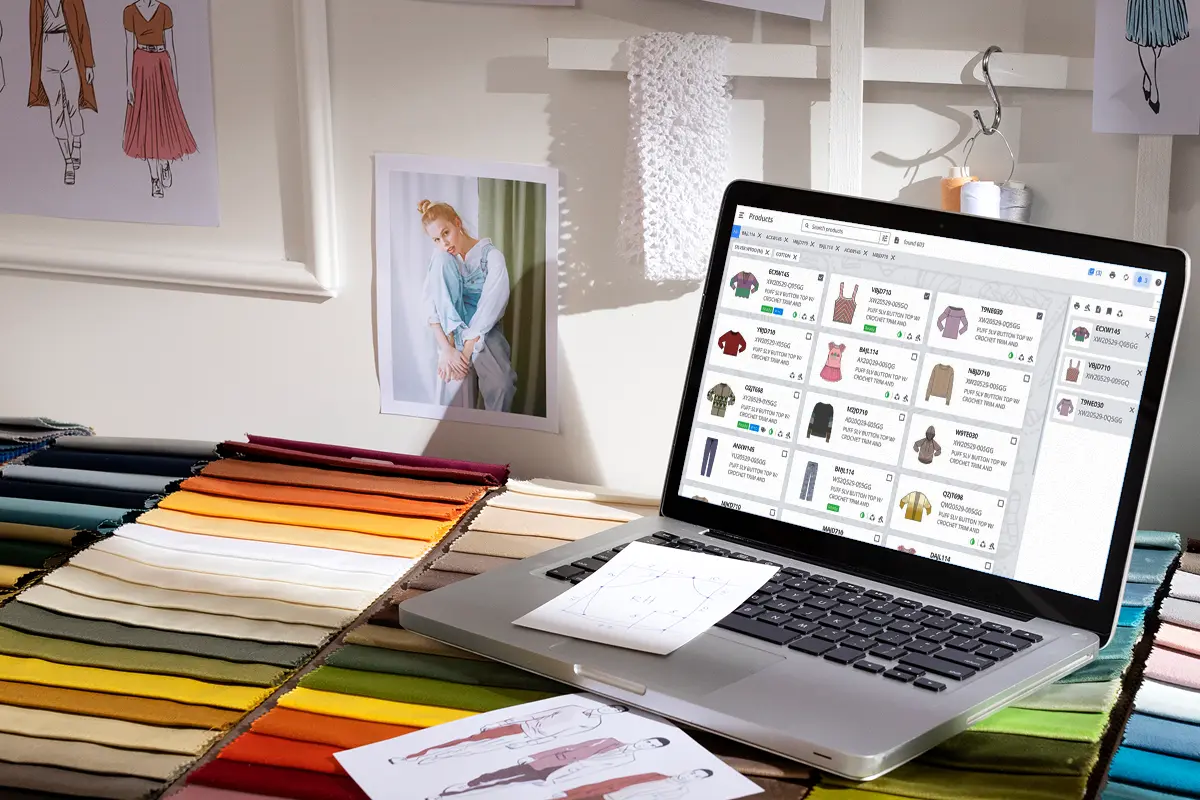
Wave PLM connects strategy to execution, aligning designers, developers, and sourcing teams within a single environment. Wave PLM supports brand and fashion alignment through:
| Capability | Strategic Value |
| Design libraries | Protect brand codes |
| Material databases | Enforce quality |
| Costing tools | Align price targets |
| Supplier data | Ensure consistency |
Wave PLM reduces rework and improves speed. It keeps identity intact from sketch to shipment.
Women’s Fashion
Women’s fashion is a dynamic and diverse segment, with countless brands and designers catering to a wide range of styles, preferences, and occasions. From timeless classics to bold, trend-setting pieces, the variety available ensures that every woman can find something that resonates with her personal taste. The steady stream of new arrivals from top brands keeps wardrobes fresh and allows for endless self-expression.
E-commerce has made it easier than ever for women to explore the latest collections, take advantage of exclusive sales, and access content tailored to their interests. Many brands offer newsletters and editorial features that provide insights into new arrivals, styling tips, and the latest trends, helping women stay informed and inspired. With designers continually pushing boundaries and introducing innovative designs, women’s fashion remains at the forefront of the industry’s evolution, offering endless possibilities for creativity and confidence.
Conclusion
Brand and fashion succeed through alignment. A clear identity must guide design, pricing, and quality at every level. Strong brands build systems that preserve consistency while allowing for evolution. They treat branding as execution, not decoration.
With the right strategy and tools, fashion brands can scale without losing what makes them instantly recognizable.
Wave PLM helps brands turn vision into product — season after season.



Leave a Reply