
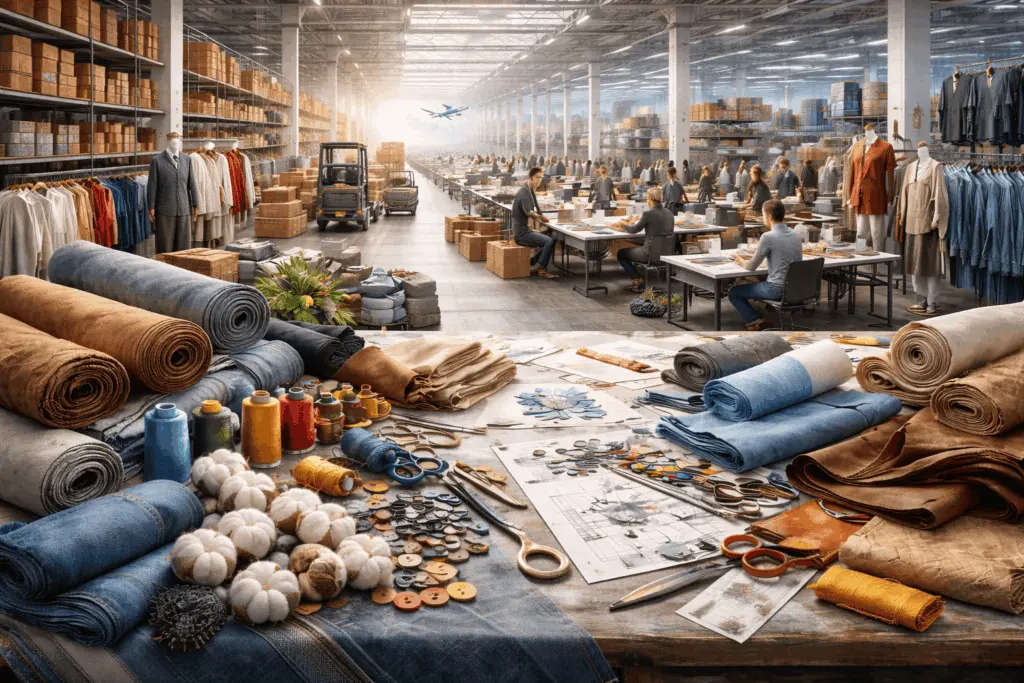
The fashion value chain explains how an idea turns into a finished product on a store shelf. This guide walks through each stage in detail — and connects the traditional value chain to today’s supply chain realities.
The industry now operates in a far more complex environment. Global disruptions, geopolitical risk, and rising costs are putting pressure on every part of the supply chain. To stay competitive, fashion leaders need a clear understanding of how the entire system works — end to end.
In this guide, we break down the fashion value chain step by step. You’ll also learn how modern fashion supply chains are adapting to disruption, growing sustainability expectations, and rapidly shifting consumer demand.
Introduction to the Fashion Industry
The fashion industry is a vibrant and multifaceted sector that spans the globe, connecting designers, manufacturers, logistics providers, and retailers in a vast network. At its core, the industry is driven by ever-evolving fashion trends and the shifting demands of consumers, making it one of the most dynamic markets worldwide. Fashion brands must constantly adapt to seasonal changes, cultural influences, and the rapid pace of innovation to remain relevant.
Behind the scenes, effective supply chain management is essential for fashion companies to deliver high-quality products efficiently and cost-effectively. The journey from concept to consumer involves navigating complex supply chains that are often vulnerable to disruptions—whether from natural disasters, geopolitical events, or sudden changes in consumer behavior.
As a result, fashion brands must work closely with logistics providers and other partners to ensure products reach the market on time and in line with consumer expectations. In this fast-paced environment, the ability to anticipate and respond to supply chain disruptions is a key differentiator for successful fashion companies.
What Is the Fashion Value Chain?
The fashion value chain covers every activity that creates value in the fashion business. It starts with raw material sourcing. It ends with post-sale services and circular models.
The global fashion industry depends on complex fashion supply chains. These networks connect farms, mills, garment factories, distribution centers, and retail stores. Each node influences the wider global supply chain.
The modern clothing supply chain faces volatile raw material prices and strict regulatory demands. It also faces pressure for supply chain transparency and supply chain traceability.
In simple terms, the fashion value chain shows where value grows. The supply chain shows how products move.

Difference Between Value Chain and Supply Chain
The supply chain focuses on execution: sourcing, logistics, and delivery. It covers raw material procurement, manufacturing, shipping, and retail distribution. In fashion, the retail supply chain acts as the operational engine, ensuring finished products arrive in the right place at the right time.
The fashion value chain, on the other hand, is broader. It includes strategy, branding, design, and customer experience — looking beyond transportation and storage to the full journey of how value is created and captured.
| Comparison Area | Fashion Value Chain | Supply Chain |
|---|---|---|
| Scope | End-to-end value creation | Movement of goods |
| Includes branding | Yes | No |
| Includes sustainability strategy | Yes | Partially |
| Focus | Profit and differentiation | Operational efficiency |
Strong supply chain management strengthens both systems. Weak supply chain coordination creates clothing supply chain issues that hurt margins.
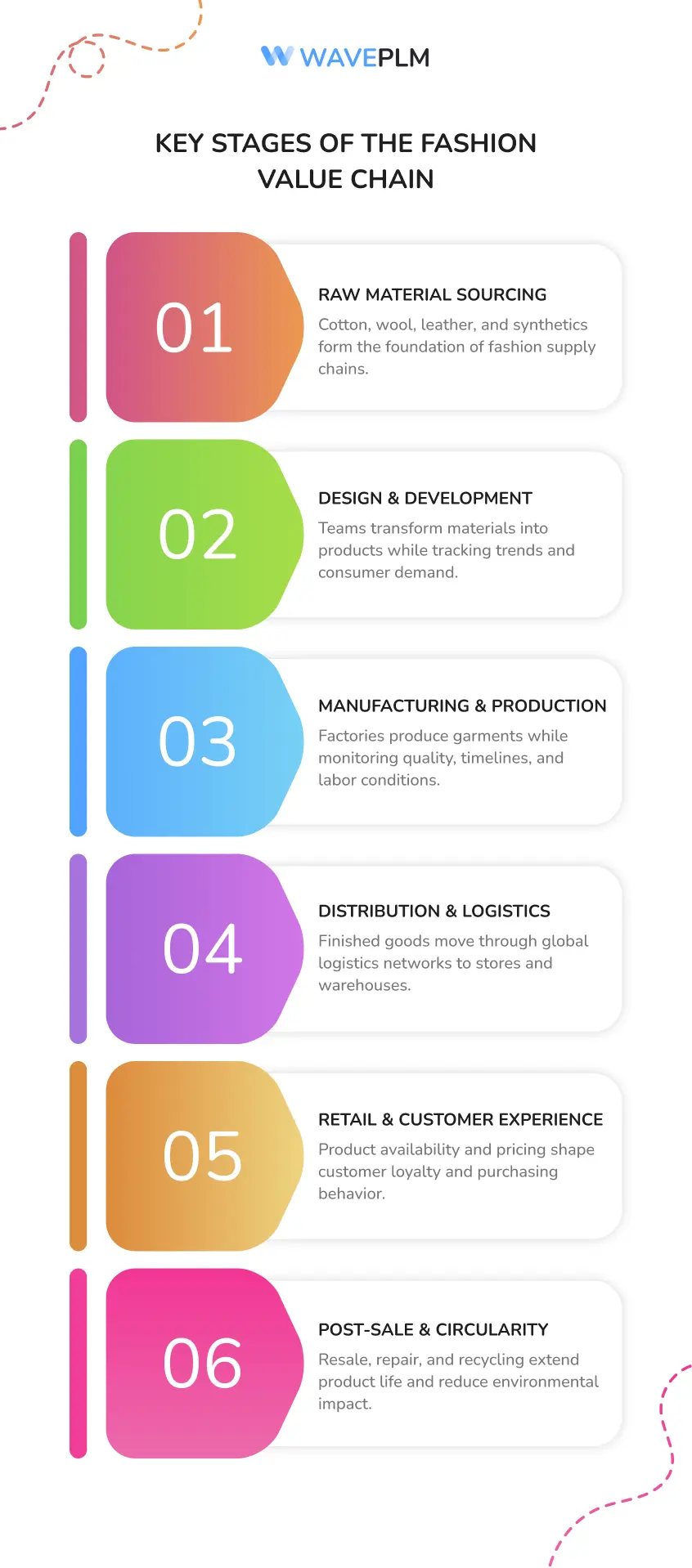
Key Stages of the Fashion Value Chain
1. Raw Material Sourcing
Every fashion supply chain begins with raw materials — cotton, wool, leather, synthetics, and recycled fibers form the foundation of every collection.
Today, sourcing faces growing pressure. Extreme weather in regions like Pakistan and Texas threatens cotton production, creating ripple effects across global fashion supply chains. At the same time, tariffs on Chinese textile imports and broader trade tensions continue to increase costs and uncertainty.
In response, many fashion brands are diversifying their supplier base across Asia and exploring nearshoring strategies to reduce geopolitical risk. A 2025 US Fashion Industry Association survey found that 60% of large companies now source from 10 or more countries — a move aimed at strengthening financial stability and reducing supply chain exposure.
Yet visibility remains a major challenge. While brands often manage direct (tier 1) suppliers closely, many still lack transparency beyond that level. Monitoring tier 2 material providers and upstream partners is significantly more complex — and increasingly critical.
Legal and ethical risks have also intensified. Companies suspected of using forced labor face serious consequences. The Uyghur Forced Labor Prevention Act (UFLPA) has increased scrutiny of imports, with U.S. authorities identifying restricted entities linked to forced labor concerns. Compliance with evolving regulations is now essential.
The broader human impact is stark. According to the human rights organization Walk Free, an estimated 50 million people worldwide live in conditions of modern slavery, with more than 29 million in Asia and the Pacific region. Forced labor remains an urgent issue within global supply chains, including fashion.
As a result, ethical sourcing and fair labor practices are no longer optional — they are competitive differentiators. Technologies such as blockchain and IoT sensors are helping brands trace raw materials, verify supplier data, and improve transparency at the garment level.
In today’s environment, responsible sourcing is not just about cost control — it’s about risk management, compliance, and long-term brand credibility.
2. Design and Development
Design teams transform raw materials into product concepts. They track fashion trends, monitor consumer preferences, and analyze emerging signals to stay ahead in a competitive market.
In fast fashion supply chains, speed is critical. Brands often rely on just-in-time inventory strategies to reduce holding costs and respond quickly to demand shifts. That means designers must align closely with sourcing and production teams from the earliest stages of development.
Late-stage design changes can be costly. They disrupt sourcing plans, increase material expenses, and delay production timelines — creating ripple effects across the entire supply chain.
To reduce risk, many fashion companies now use advanced analytics and AI tools to forecast demand, analyze consumer behavior, and monitor broader economic indicators like the consumer price index. Data-driven planning helps teams make smarter decisions earlier in the process.
When design, sourcing, and analytics work together, brands improve operational efficiency, control costs, and reduce unnecessary waste — without sacrificing creativity or speed.
3. Manufacturing and Production
Garment factories turn design concepts into finished products. During this stage, production teams monitor quality standards, timelines, and labor conditions to ensure consistency and compliance.
The COVID-19 pandemic exposed how vulnerable global supply chains can be. Travel restrictions shut down factories, delayed shipments, and led to widespread order cancellations for both raw materials and finished goods.
Since 2020, global disruptions have significantly increased supply chain risk incidents. The fashion industry alone accounts for roughly 5% of nearly 17,000 recorded global supply chain disruptions — highlighting how exposed the sector remains to external shocks.
Fast fashion brands depend on highly coordinated supplier networks that prioritize speed and cost efficiency. But this model has also drawn criticism, particularly around environmental impact and labor practices.
To reduce risk, many brands now conduct regular factory audits and compliance reviews. Strong oversight improves supply chain transparency and helps identify forced labor and modern slavery risks before they escalate into legal or reputational crises.
In today’s environment, resilient production isn’t just about speed — it’s about visibility, accountability, and long-term stability.
4. Distribution and Logistics
Once production is complete, logistics partners move finished goods to distribution centers and retail locations. At this stage, efficiency is critical — but global bottlenecks continue to create pressure. Shipping backlogs, port congestion, and limited warehouse capacity have driven up transportation and storage costs.
Policy shifts also add uncertainty. Changes to de minimis rules for Chinese imports could increase landed costs and extend delivery times. At the same time, geopolitical factors — including U.S. trade policy shifts and the ongoing Russia–Ukraine conflict — continue to disrupt global trade flows.
These forces compound supply chain volatility across the fashion industry.
To manage risk, many brands are investing in advanced supply chain management systems that provide end-to-end visibility. Technologies such as blockchain and IoT tools improve traceability, allowing companies to monitor product movement in real time.
Greater visibility enables faster decision-making, quicker rerouting when disruptions occur, and more agile inventory management — all of which are essential in today’s unpredictable global environment.
5. Retail and Customer Experience
Retail is where the supply chain meets the consumer.
Product availability has a direct impact on loyalty — nearly half of shoppers say they are less loyal to brands that frequently experience stockouts. At the same time, rising prices and shifts in consumer purchasing power are reshaping buying behavior. The secondhand market, for example, is growing two to three times faster than the primary market, reflecting changing values and budget sensitivity.
For fashion brands, inventory alignment is critical. When supply and demand fall out of sync, the result is excess stock, heavy markdowns, and margin erosion.
Industry sentiment reflects this pressure. In a recent executive survey, 39% of fashion leaders expect market conditions to worsen in the year ahead. In response, many are rethinking production strategies. Around 85% of participating executives plan to produce the majority of goods within their primary region by 2026 — signaling a broader shift toward regionalization and risk reduction.
In today’s market, retail performance depends not only on trend appeal, but on precise coordination across the entire value chain.
6. Post-Sale and Circularity
The fashion industry is increasingly embracing circular models to reduce waste and lower environmental impact across the supply chain.
Resale platforms, repair services, and recycling programs help extend product life beyond the first purchase. At the operational level, initiatives like green warehousing and energy-efficient logistics further reduce carbon footprints and resource consumption.
These efforts go beyond sustainability messaging. They strengthen brand trust, demonstrate ethical responsibility, and respond to growing consumer expectations around transparency and environmental impact.
Over time, circular strategies also support long-term resilience — reducing dependency on virgin raw materials and helping brands build more stable, future-ready supply chains.
How Value Is Created and Lost in the Supply Chain
Value grows when supply chain management aligns every stage.
Value increases when brands:
- Forecast demand using advanced analytics
- Consolidate suppliers strategically
- Improve operational efficiency
- Reduce raw material waste
- Strengthen relationships with core partners
Value declines when supply chain disruptions hit without preparation.
Common risks include:
- Rising costs of raw material
- Labor shortages
- Shipping delays
- Regulatory demands
- Poor labor practices
Many brands still lack visibility beyond Tier 1 suppliers. This gap weakens supply chain transparency.
Fast Fashion and the Evolution of Fashion Supply Chains
Fast fashion transformed the fashion industry. Fast fashion supply chains focus on rapid production and low cost. The rise of fast fashion forces retailers to develop ultra-responsive supply chains capable of rapid production and distribution.
This model improved speed but increased environmental impact. Frequent product refresh cycles increase waste and emissions. Fast fashion’s rapid production cycles and constant product refreshes lead to increased waste and elevated carbon emissions.
Industry leaders now push for ethical sourcing and better labor conditions.
Fashion and apparel studies highlight the tension between speed and responsibility. Apparel studies show that long-term resilience requires sustainable practices.
Fast fashion supply chains now integrate sustainability goals to stay competitive.
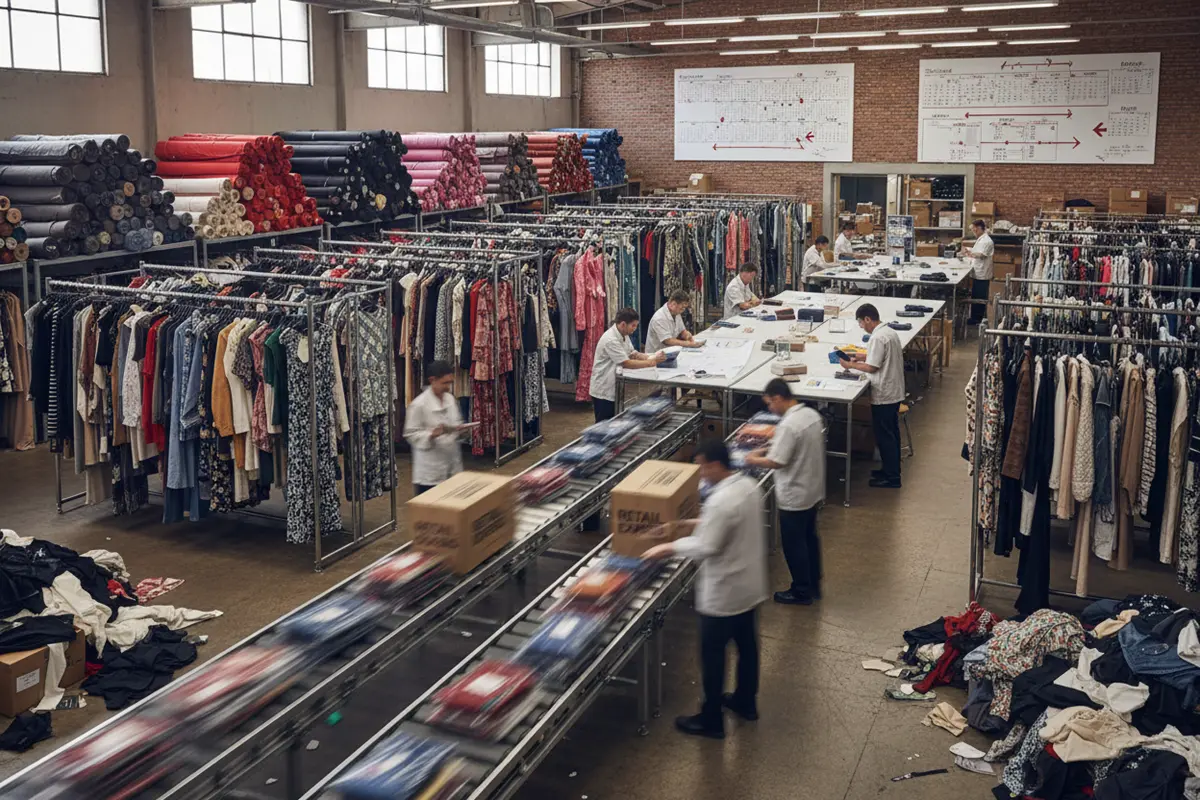
Ethical Sourcing and Supply Chain Transparency
Mandatory EU regulations now require deeper supply chain transparency beyond Tier 1.
Fashion companies must map their global supply chain in detail. Supply chain traceability systems track raw material origin and factory data. And regular audits verify environmental standards and labor practices.
Companies that invest in ethical sourcing reduce legal exposure and protect brand value.
Modern slavery and forced labor cases highlight the urgency of reform. Fashion leaders acknowledge ethical responsibility as a core business priority.
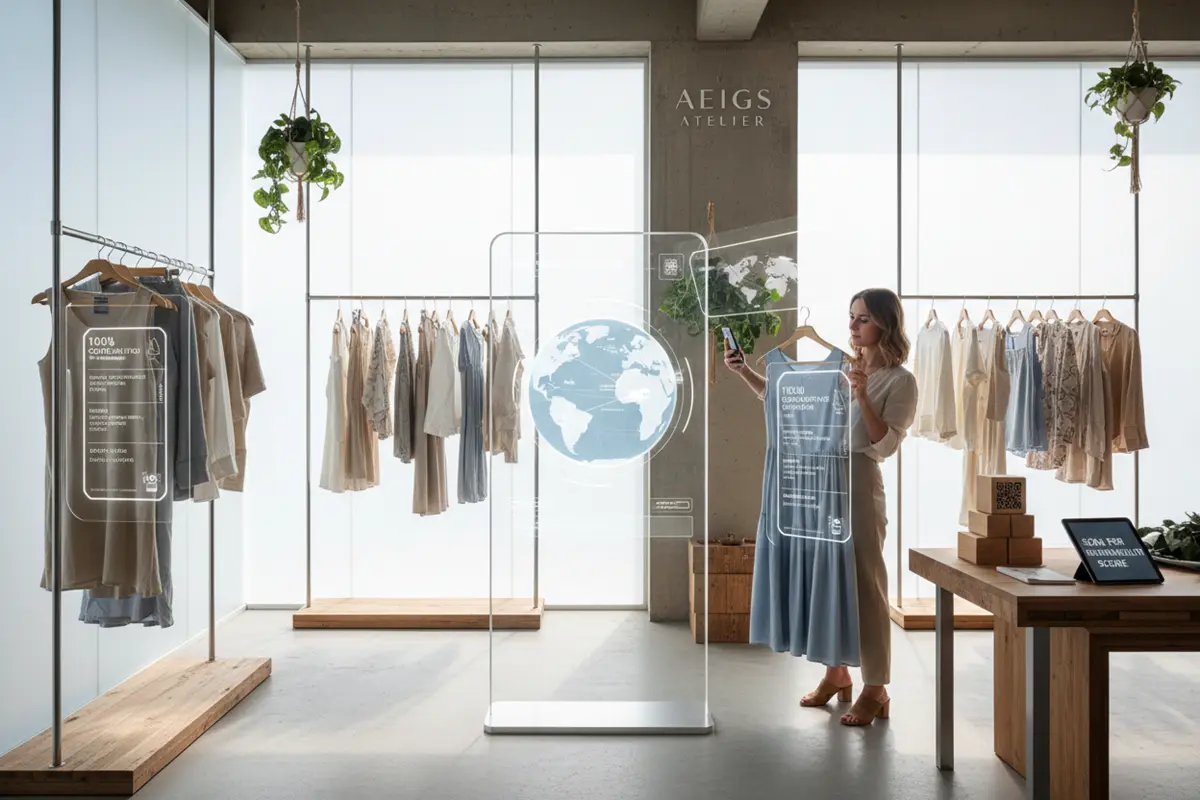
Geopolitics, Inflation, and the Global Supply Chain
Inflation and tariff policies increase sourcing costs. The consumer price index influences purchasing patterns. Changes to de minimis thresholds may increase prices for apparel brands.
Experts from Delaware’s department, such as the University of Delaware’s department of fashion and apparel studies, provide key insights and policy analysis on fashion trade and tariffs, warning of extended shipping delays if trade tensions escalate.
The return of President Donald Trump to the White House is sending shockwaves through the fashion industry, with supply chain leaders bracing for heightened trade tensions and tariff escalations.
Ongoing trade disruptions and extreme climate events are reshaping the clothing supply chain’s operations by 2026. The fashion industry accounts for 5% of the nearly 17,000 unique global supply chain risk incidents that have occurred over the past five years.
Fashion companies now explore nearshoring to reduce geopolitical risks and cut costs. Many fashion companies are moving production closer to home by nearshoring or reshoring to reduce lead times and avoid geopolitical risks.
Strong supply chain management improves financial stability during uncertainty. Many fashion companies are diversifying suppliers and investing in technology to tighten supply chain management.
Managing Global Fashion Industry Risks
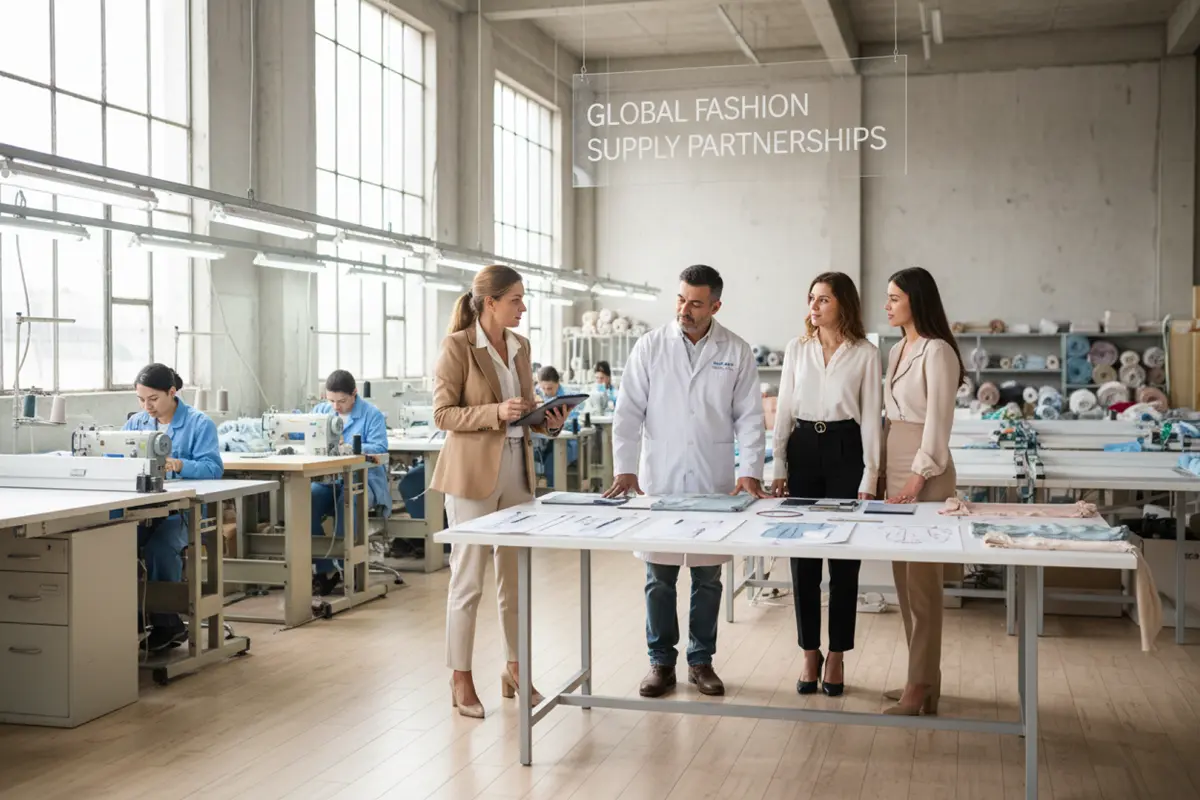
Operating in the global fashion industry means facing a wide array of risks that can impact every stage of the supply chain. Supply chain disruptions—caused by events such as natural disasters, labor shortages, or transportation delays—can quickly ripple through the network, affecting everything from raw material availability to finished product delivery. Geopolitical tensions and environmental concerns further complicate the landscape, requiring fashion executives to remain vigilant and proactive.
To manage these risks, fashion companies are increasingly diversifying their supplier base, investing in supply chain visibility, and implementing robust traceability systems. These measures help brands respond swiftly to disruptions and maintain continuity in their operations. Ethical sourcing and responsible labor practices are also top priorities, as industry leaders recognize the importance of supply chain transparency in building trust and meeting regulatory expectations.
The Retail Industry Leaders Association (RILA) underscores the need for accountability, especially in addressing forced labor and upholding human rights throughout the supply chain. By prioritizing transparency and ethical responsibility, fashion leaders can safeguard their brands and contribute to a more resilient global fashion industry.
Strategies to Strengthen the Fashion Value Chain
Fashion companies adopt several strategies to strengthen their supply chain:
- Diversifying suppliers across regions
- Investing in advanced analytics
- Implementing just-in-time inventory models
- Conducting regular compliance audits
- Integrating sustainable practices
- Digitizing supply chain management systems
These actions improve operational efficiency and reduce waste.
They also help fashion brands remain agile in a volatile fashion sector.
Optimizing Fashion Brands’ Performance
For fashion brands to thrive in today’s competitive landscape, optimizing performance across the supply chain is essential. This means focusing on operational efficiency, cost efficiency, and a commitment to sustainability. Advanced analytics and modern supply chain management systems empower fashion companies to monitor inventory, streamline operations, and quickly adapt to changes in consumer preferences or market conditions.
Sustainability and ethical responsibility are now central to brand reputation and long-term success. Many brands, as highlighted in recent fashion executive surveys, are investing in sustainable practices such as using recycled materials, reducing waste, and ensuring fair labor practices throughout their supply chains. By embracing ethical sourcing and transparent labor practices, fashion companies not only meet regulatory demands but also align with the values of today’s consumers.
Staying agile is crucial as industry conditions shift due to geopolitical risks, regulatory changes, and evolving consumer expectations. By prioritizing supply chain transparency and leveraging advanced analytics, fashion brands can reduce risks, improve operational efficiency, and build lasting trust with their customers. This holistic approach positions fashion companies to lead in a rapidly changing global market.
Why Visibility Across the Supply Chain Matters
Fashion supply chains operate under incredible pressure in 2025. Raw material shortages, labor constraints, and logistics bottlenecks create supply chain disruptions.
Companies that invest in visibility outperform competitors. Recent survey findings illustrate that enhanced visibility is now seen as a critical factor for success in the fashion supply chain.
Visibility enables:
- Real-time tracking of finished products
- Early detection of risks
- Faster reaction to fashion trends
- Better coordination with logistics providers
According to a 2025 US Fashion Industry Association survey, 60% of large companies reported sourcing from 10 or more countries, a significant increase from previous years.
Industry leaders and the retail industry leaders association emphasize digital transformation as a strategic priority.
How Wave PLM Connects the Fashion Value Chain
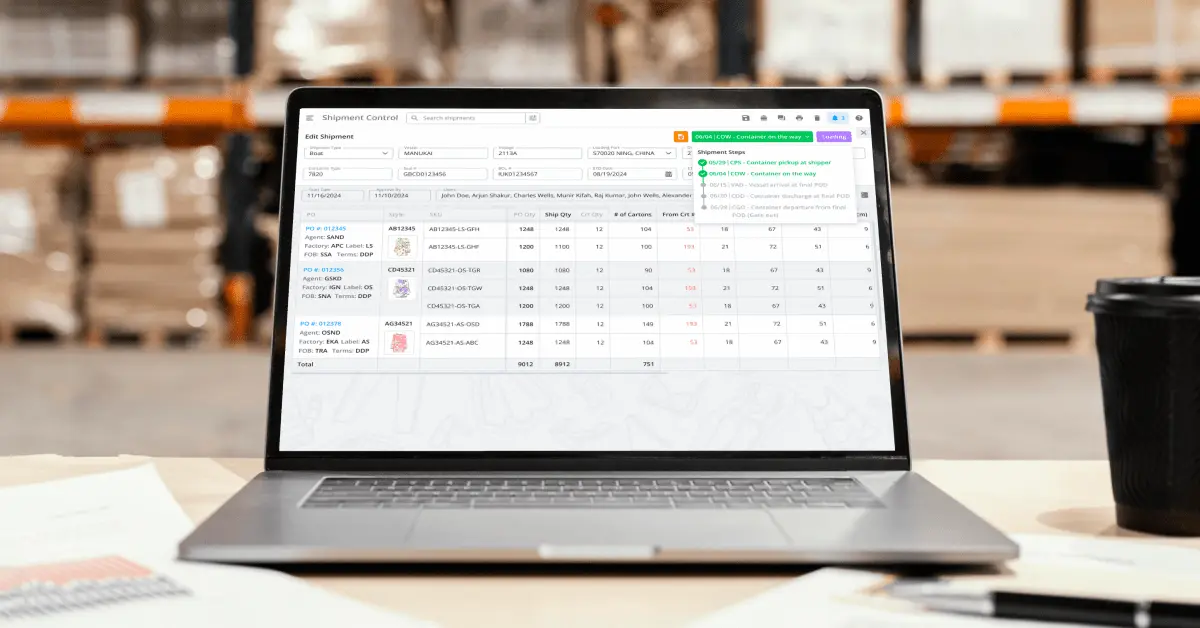
Wave PLM connects teams across the entire supply chain, bringing product development and operations into one shared system.
By centralizing product data and streamlining workflows, it gives teams full visibility — from raw material sourcing to finished goods.
That transparency supports ethical sourcing initiatives, strengthens compliance tracking, and reduces operational risk.
At the same time, Wave PLM improves efficiency across departments, helping brands stay agile and competitive in the global fashion market.
By digitally connecting the fashion supply chain, Wave PLM helps reduce disruption and build long-term resilience.
Conclusion
The fashion value chain forms the structural backbone of the industry, while the supply chain keeps daily operations moving.
Today, that system faces growing pressure — from climate risks and forced labor concerns to global trade tensions and rapidly shifting consumer expectations. And the secondhand clothing market is growing two to three times faster than the firsthand market due to rising new clothing prices.
Brands that invest in supply chain transparency, advanced analytics, and sustainable practices are building stronger, more resilient operations.
Understanding the fashion value chain helps industry leaders protect margins, strengthen ethical standards, and prepare strategically for the year ahead.
Next, explore our in-depth guide on supply chain disruptions in fashion — and the practical steps brands can take to build long-term resilience.



Leave a Reply