
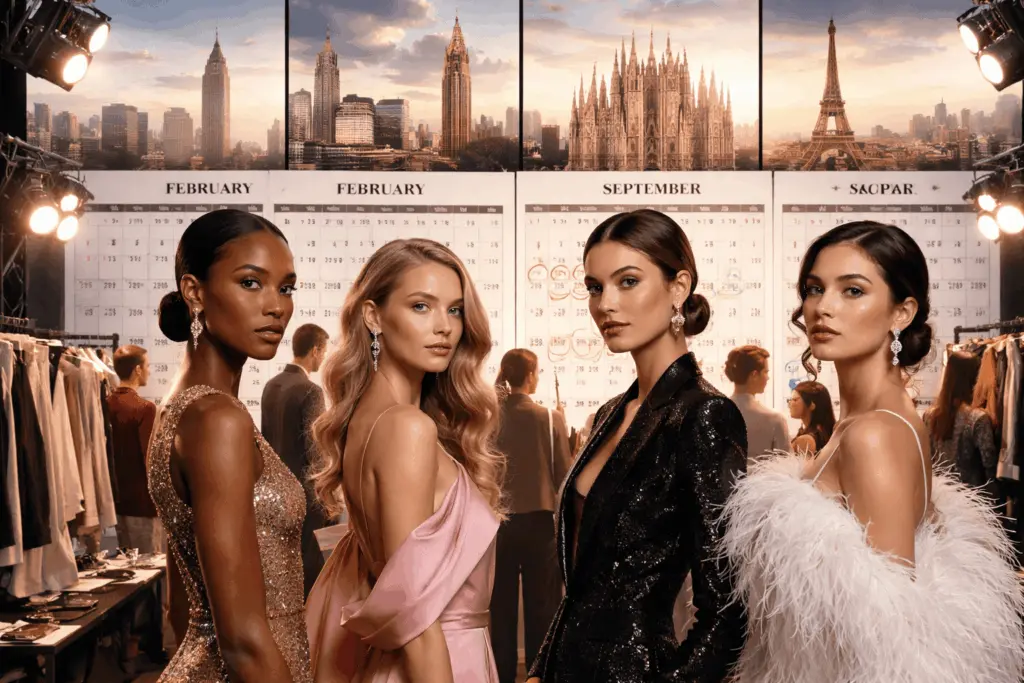
At first glance, fashion months look glamorous and fast. However, behind every runway show stands a strict fashion calendar. If you want to understand how global fashion really works, you need to understand fashion months.
In this practical guide, you will learn what fashion months are, when they happen, and why they matter. We’ll cover all things fashion—highlighting the many different things, events, and activities that fashion calendars organize and influence. You will also see how the fashion seasons calendar controls retail, production, and global launches.
Let’s start from the beginning.
What Are Fashion Months?
Simply put, fashion months describe two key periods in the global fashion calendar. During these months, designers present their new collection to buyers, media, and the world.
Every year, fashion months take place in February and September. In February, brands show Fall/Winter collections. In September, they present Spring/Summer lines.
Unlike regular calendars, the fashion seasons calendar works six months ahead. Designers show winter coats in February. Customers buy those pieces later in the year.
Because of this system, fashion months act as a preview. They reveal what stores will stock next season.
Quick Snapshot of Fashion Months
| Month | Season Presented | Key Cities |
|---|---|---|
| February | Fall/Winter | New York, London, Milan, Paris |
| September | Spring/Summer | New York, London, Milan, Paris |
As you can see, the structure stays consistent. The fashion calendar rarely changes this rhythm.
The Big Four: Where Fashion Months Take Place
Next, let’s look at the cities that shape fashion months. The industry calls them the Big Four.
They include:
- New York
- London
- Milan
- Paris
Together, these cities define the global fashion calendar.
New York Fashion Week (NYFW)
First comes NYFW. New York Fashion Week, often called NYFW, opens fashion months every year. NYFW takes place in February and September.
Designers in America use NYFW to launch commercial trends. Buyers from major retailers attend NYFW to place early order decisions.
The CFDA supports NYFW and coordinates many official events. Through NYFW, brands gain visibility across the world.
NYFW sets the tone. NYFW shapes retail strategies. NYFW influences product direction for months ahead.
Because of NYFW, many brands adjust stock planning early in the year.
London Fashion Week
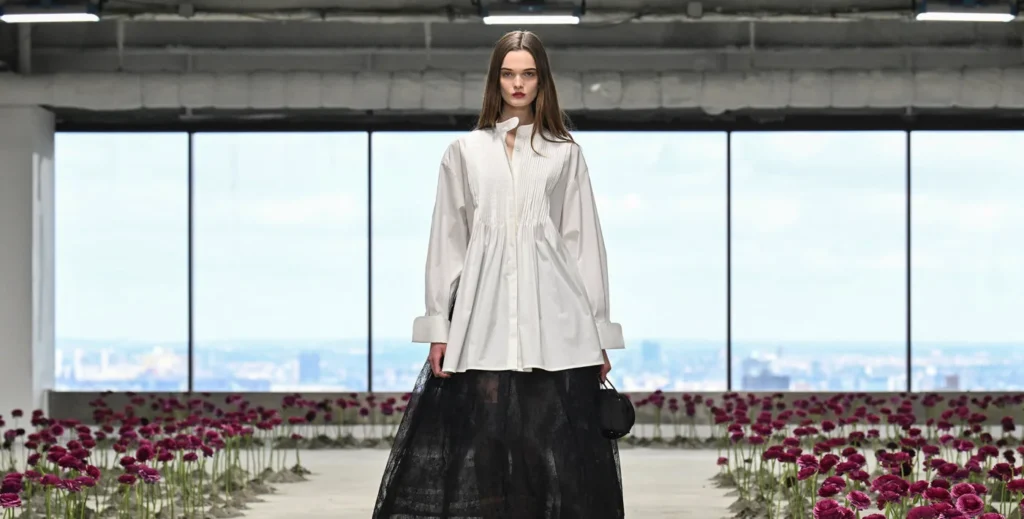
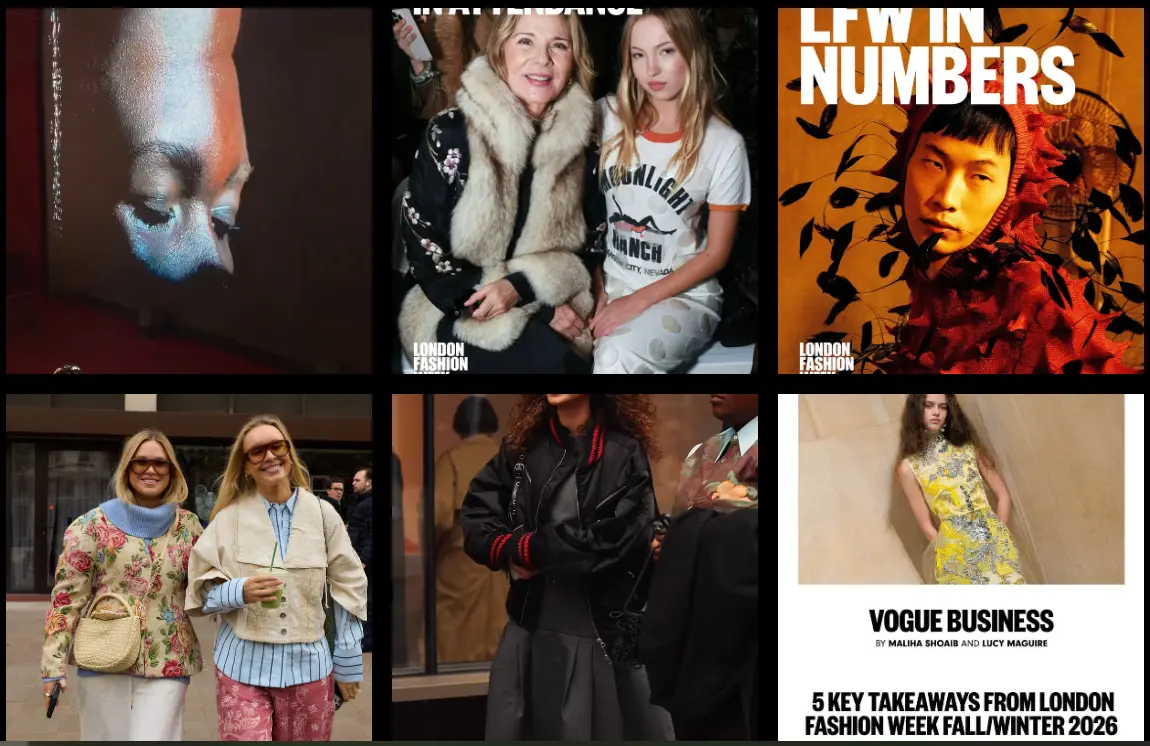
After NYFW, London takes its place on the fashion calendar. London Fashion Week focuses on bold ideas and experimentation.
Designers in the UK often challenge traditional structure. They use fashion as a creative statement about life and culture.
London pushes change. It introduces new voices and fresh pieces. It adds artistic energy to fashion months.
Milan Fashion Week
Then Milan enters the scene. Milan stands for luxury, tailoring, and heritage.
Italian brands showcase refined product development. They present structured collection concepts. They highlight craftsmanship.
Retailers carefully check Milan shows. Many buyers place order requests for premium stock after Milan presentations.
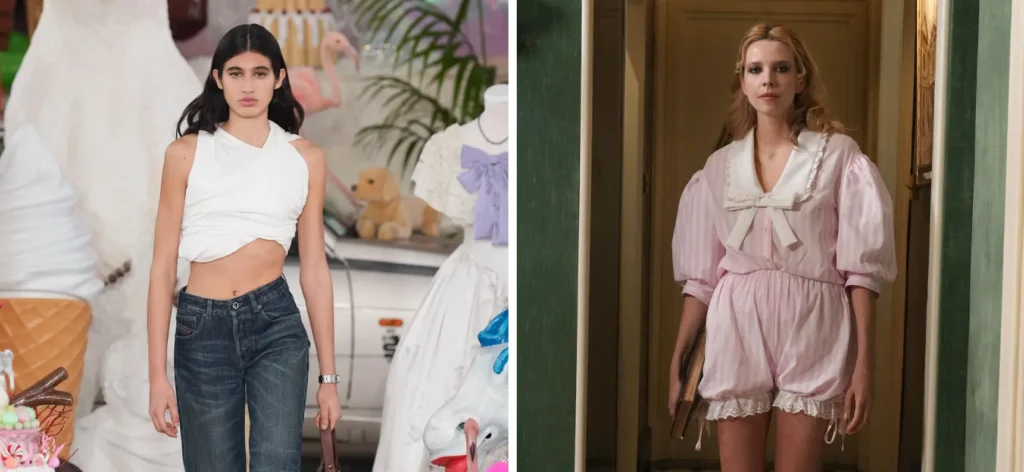
Paris Fashion Week
Finally, Paris closes fashion months. Paris delivers drama, couture, and global prestige.
Major heritage houses unveil statement pieces here. Media coverage peaks at this stage. Trends often become official once Paris approves them.
At the end of Paris Fashion Week, the full fashion calendar cycle becomes clear.
What Are the Famous Fashion Calendars?
Now let’s answer an important question. What are the famous fashion calendars?
The most recognized fashion calendars include:
- The official NYFW calendar managed by the CFDA
- The London Fashion Week calendar
- The Milan Fashion Week schedule
- The Paris Fashion Week calendar
These calendars organize runway shows, presentations, and industry events. They help brands choose the right place and time to present their collection.
In addition, many professionals buy physical fashion calendars. Online retailers offer printed calendars as a gift for fashion enthusiasts. The Met Store, for example, sells art calendars that inspire designers.
Subscriptions to digital fashion calendars also provide updates. These services help brands solve scheduling confusion.
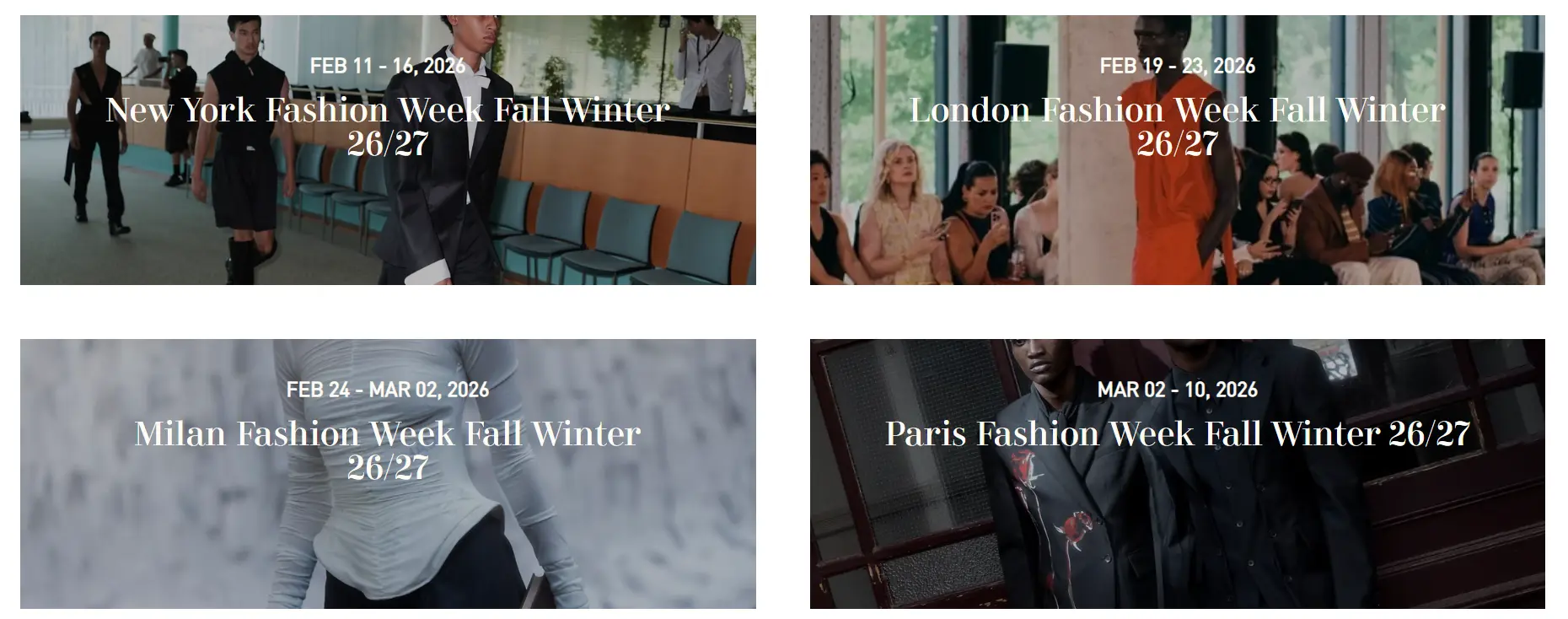
What Are the Fashion Week Dates in 2026?
Timing matters. So let’s review confirmed dates.
- NYFW happens twice a year in February and September.
- London Fashion Week runs from February 24 to March 2, 2026.
- Milan Fashion Week takes place from March 2 to March 10, 2026.
- Paris Fashion Week is scheduled for April 8 to April 10, 2026.
Each year follows a similar order. Spring-Summer fashion season begins in late February. It usually ends in July. Autumn-Winter season starts in August and runs until January.
Because of this structure, brands must plan early in the year to secure production capacity.
What Is the Current Calendar Style?
Today, most brands still follow the traditional fashion seasons calendar. They present collections six to seven months before retail launch.
Retailers use these calendars to order inventory in advance. They confirm stock levels long before customers add items to cart. However, some brands experiment with “see now, buy now.” Under this model, customers purchase runway product immediately.
While this approach sounds perfect for instant sales, it creates pressure. Brands must complete production before fashion months even start.
As a result, many companies return to the traditional system. It offers better forecasting and lower financial risk.
How Fashion Months Influence Retail, Stock, and Product Planning
Clearly, fashion months impact every department. Designers finalize their collection months before shows. Buyers attend events and place wholesale order commitments.
Production teams calculate material needs. Factories manufacture product units. Logistics teams manage global stock movement.
Here is a simplified timeline:
| Stage | Action | Timing |
| 1 | Present collection | During fashion months |
| 2 | Buyers place order | 0–4 weeks after shows |
| 3 | Production begins | 1–2 months later |
| 4 | Ship stock to retailers | 4–5 months later |
| 5 | Product launch in store | About 6 months later |
This process helps brands avoid overstock or shortages. It also ensures the right product reaches the right place at the right time.
Planning according to fashion calendars helps retailers manage holidays, winter launches, and seasonal promotions.
Why Brands Plan 6–12 Months Ahead
Because fashion months define deadlines, brands think long term.
First, designers choose themes and ideas. Next, sourcing teams secure fabrics. Then production managers confirm capacity.
Retailers also review budgets early. They decide how much stock to order. They choose which pieces deserve premium placement.
Marketing teams align campaigns with the fashion calendar. They prepare visuals months in advance.
Without clear calendars, confusion would spread across departments.
What Are the Most Popular Calendars?
Besides official runway schedules, many people look for popular calendars to purchase.
Consumers often choose:
- Designer-themed fashion calendars
- Art calendars from museums
- Industry planning calendars
- Digital subscription calendars
A stylish calendar can serve as a gift during holidays. It can also inspire creative life decisions.
Some professionals even treat a fashion calendar as the perfect gift for students or entrepreneurs entering the fashion world.
Before you check out, always check release dates and shipping timelines. Add your selection to cart early, especially during holidays.
How Technology Helps Solve Calendar Challenges
Finally, technology continues to solve planning challenges.
Modern product lifecycle systems connect design, sourcing, and manufacturing. Teams track every product detail in real time.
Cloud tools allow global collaboration. A team in America can coordinate instantly with suppliers abroad.
Data analytics improves forecasting accuracy. Brands analyze past year performance to adjust stock levels.
Through digital calendars and automation, brands reduce errors and manage order deadlines smoothly.
Final Thoughts: Why Fashion Months Matter
Ultimately, fashion months do far more than showcase beautiful collections — they structure the entire industry.
They bring together designers, retailers, manufacturers, and media from around the world, influencing what customers will wear in the seasons ahead.
More importantly, fashion calendars create discipline. They guide production timelines, manage inventory, and align product launches with the right sales window.
If you understand how fashion months work, you understand how the fashion industry truly operates behind the scenes.



Leave a Reply