
To begin with, fashion has always been more than clothing. It reflects the world we live in. It mirrors our values, our beauty standards, and even our fears and hopes for the future. Every era introduces a shift. That shift often becomes a fashion movement.
So what exactly is a fashion movement? Why does it matter in the fashion industry? And why does the slow fashion movement now shape so many conversations about sustainability and the planet?
In this guide, we will break everything down in a simple way. You will understand how movement in fashion differs from trends, how the movement of fashion connects culture and commerce, and why sustainable thinking defines the future of fashion.
What Is a Fashion Movement?
First of all, a fashion movement is a widespread and lasting shift in clothing styles, consumption habits, and creative direction. It goes far beyond seasonal trends. It reshapes the fashion world at its core. The impact of a fashion movement is evident in both the industry and society, as clear changes in style and behavior can be observed.
In other words, a movement in fashion changes how clothing is designed, produced, marketed, and worn. It reflects deeper social and cultural change. While trends may rise and disappear within a month, a fashion movement defines an era.
The movement of fashion begins when designers, brands, communities, and a new generation align around shared values. This connection creates momentum. The role of fashion movements in shaping cultural identity and societal perceptions is significant, influencing how people express themselves and how society views style. Over time, that momentum transforms the fashion industry.
Key Elements That Define a Fashion Movement
To better understand this concept, let’s look at the core elements that define a true fashion movement.
| Element | What It Means in Fashion |
|---|---|
| Cultural shift | Reflecting social change and generational values |
| Long-term impact | Lasting influence on clothing and style |
| Industry transformation | Structural change within the fashion industry |
| Community support | Strong emotional connection between brands and people |
| Economic impact | New sourcing models and sustainable production |
These elements are at the heart of every true fashion movement, representing the essential values and driving forces behind lasting change.
Clearly, a fashion movement influences how clothing is created and valued. It reshapes wardrobes. It changes consumer choice. It redefines beauty and style.
Fashion Movement vs Trends: Why the Difference Matters
Now, let’s clarify something important. Many people use the words fashion movement and trends interchangeably. However, they are not the same.
Trends represent short bursts of popularity. Micro-trends, in particular, can explode on social media and disappear within weeks. These micro-trends can best be described as a constant cycle of styles achieving instant popularity before quickly declining in relevance. They become popular rapidly, often due to social media and celebrity influence, but lack the longevity and depth of true fashion movements. A fashion movement lasts for years and creates lasting change.
Today, social media and the internet dictate the mainstream trend cycle. Micro-trends achieve instant popularity and quickly decline in relevance. In 2024, trends no longer follow the traditional fashion calendar. Some fast fashion brands release a new collection every week. Trends cycle through all sorts of things—clothing, accessories, and styles—at a rapid pace.
Fast fashion and micro-trends have formed a symbiotic relationship. Fast fashion brands respond instantly. They produce large amounts of clothing. They encourage overconsumption and constant shopping.
Here is a simple comparison:
| Trends | Fashion Movement |
|---|---|
| Short-term popularity, often lack longevity and depth | Long-term cultural change |
| Driven by aesthetics | Driven by values and sustainability |
| Linked to fast fashion | Often linked to slow fashion |
| Creates uniformity | Encourages identity and creativity |
| Focus on quantity | Focus on quality |
Importantly, the culture of uniformity created by micro-trends threatens individuality. Micro-trends have invaded teen pop culture more than seasonal trends, becoming a badge of popularity. Teenagers often treat trends as a badge of popularity. This pressure increases fast fashion consumption.
By contrast, a fashion movement builds a consistent philosophy. It reflects a deeper shift in how society views clothing, beauty, and responsibility.
A Brief History of Fashion Movements
To truly understand the fashion movement concept, we must look back.
The Birth of the Modern Fashion Industry
The modern fashion industry began in the 19th century with Charles Frederick Worth, who is regarded as the first designer in the modern sense. Before that time, dressmakers created clothing without a clear distinction between haute couture and ready-to-wear fashion.
Fashion plates from Paris allowed styles to spread across Europe. Fashion houses, such as Worth’s influential fashion shop, emerged as leaders. These shops defined beauty and status and played a significant role in shaping trends and client relationships. They shaped the early fashion world.
The 1920s Fashion Movement
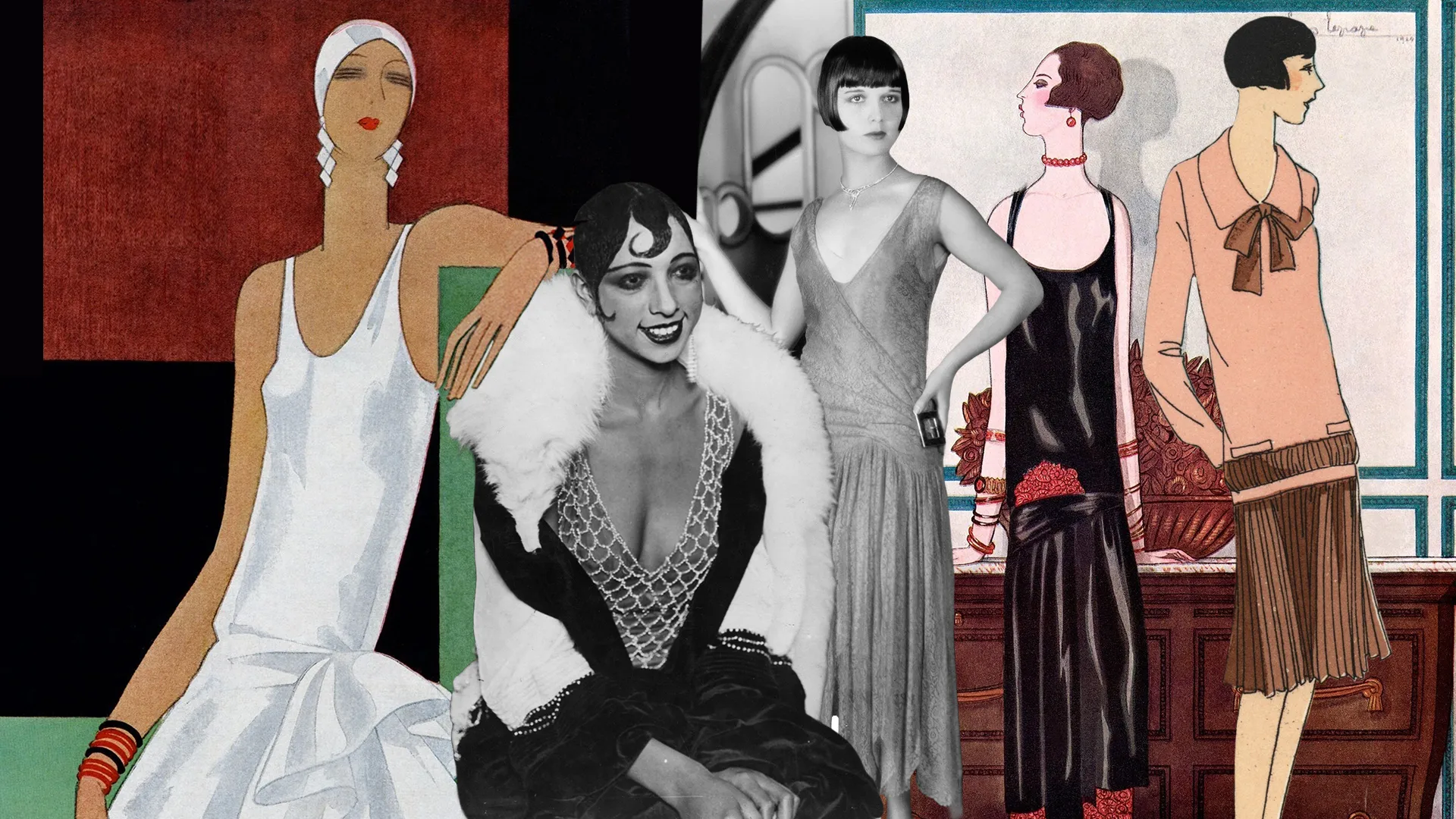
The 1920s marked a powerful fashion movement. Women embraced the flapper style. Shorter hemlines and a lighter silhouette symbolized freedom. Designers favored light, bright colors and airy fabrics, which added to the era’s sense of elegance and vibrancy.
This movement in fashion reflected social change and economic transformation. A new generation rejected old restrictions. Clothing became a symbol of independence.
The New Look and Post-War Change
In 1947, Christian Dior introduced the New Look. Cinched waists and full skirts returned a romantic ideal of beauty. This fashion movement reflected hope after war. The New Look was widely praised by critics and the public for its innovative silhouette and revitalization of post-war fashion.
The 1960s and Youth Culture
The 1960s brought radical social change. Youth culture influenced style. Clothing became political. Fashion reflected activism and rebellion. Many trends emerged directly from the streets, with urban youth in cities like London shaping mainstream fashion through their street style and cultural expression.
Punk and Rebellion
In the 1970s, punks created a bold fashion movement. They wore ripped clothes, leather jackets, and boots. Safety pins and DIY design defined their style.
Punks rejected consumerism. They challenged the fashion industry. Their movement later influenced major fashion houses.
Power Dressing in the 1980s
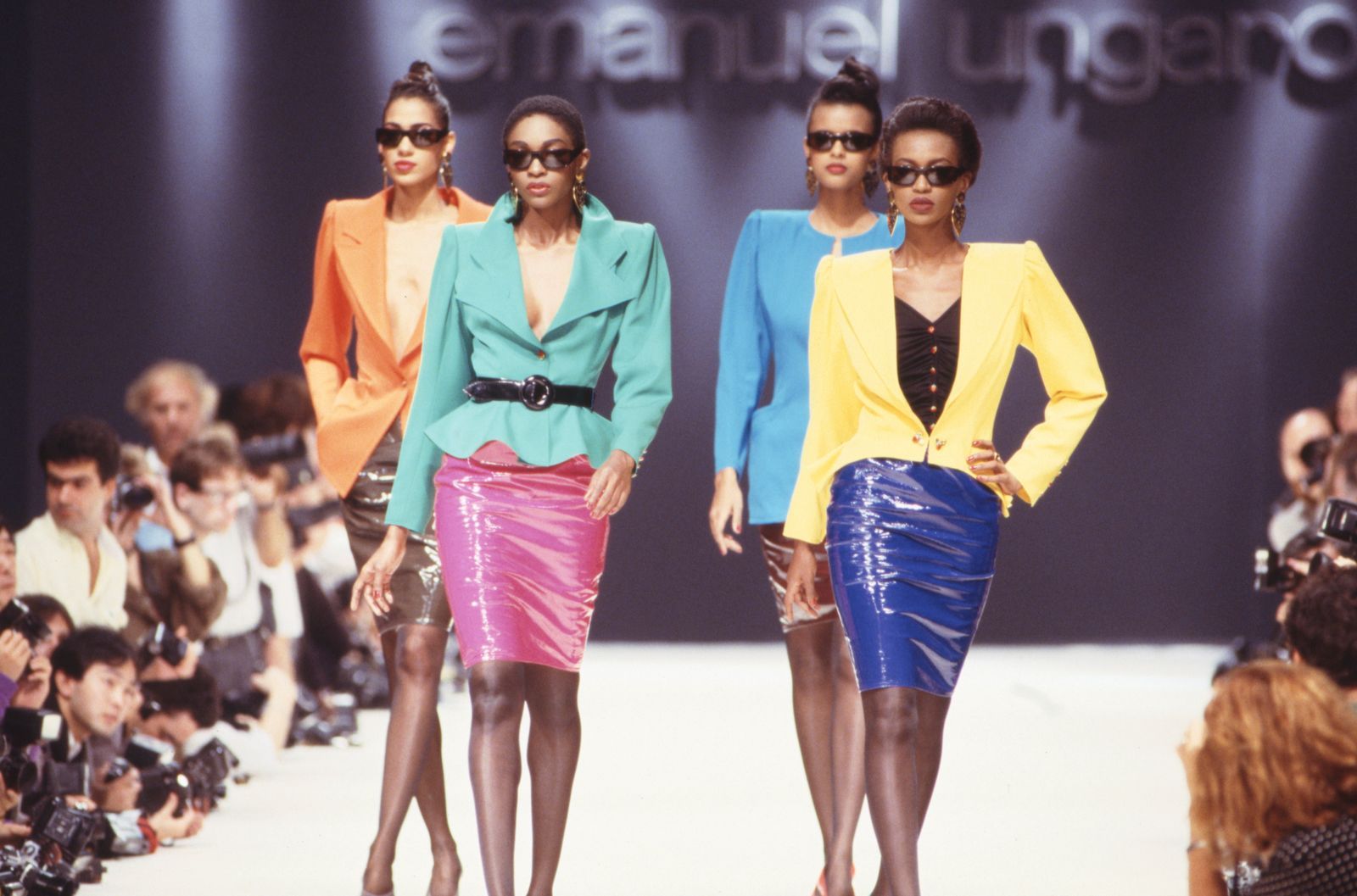
Power dressing defined the 1980s. Structured suits and strong shoulders symbolized authority. This movement reflected women entering leadership roles.
Minimalism in the 1990s
The 1990s shifted toward simplicity. Designers focused on clean lines and neutral materials. This movement in fashion valued quality over excess.
Digital Fashion in the 2010s
During the 2010s, social media transformed fashion. Influencers gained power. Trends spread instantly across the world.
Each era shows how a fashion movement reflects social and economic change.
What Are the Big 4 in Fashion?
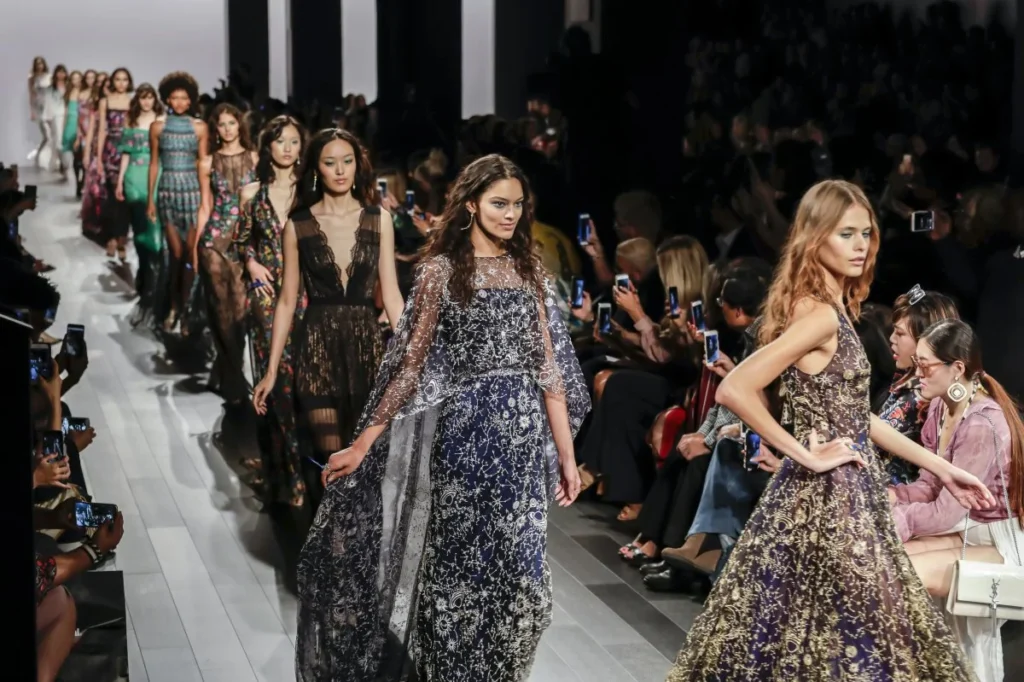
When discussing global influence, many experts refer to the Big 4. These include Paris, Milan, London, and New York.
Fashion houses in these cities shape international trends. They launch each collection with global visibility. They influence the direction of the fashion industry.
However, today’s digital era allows new communities to create a fashion movement without traditional gatekeepers.
What Are the Three Theories of Fashion Movement?
To further explain movement in fashion, scholars introduced three theories.
- Trickle-down theory: Trends start with luxury fashion houses and move to mass markets.
- Trickle-up theory: Street style and subcultures influence designers. Punks represent this model.
- Trickle-across theory: Trends spread simultaneously across groups.
Together, these theories explain how the movement of fashion spreads through society.
The Rise of Fast Fashion and Its Impacts
Over the past two decades, fast fashion transformed the fashion industry.
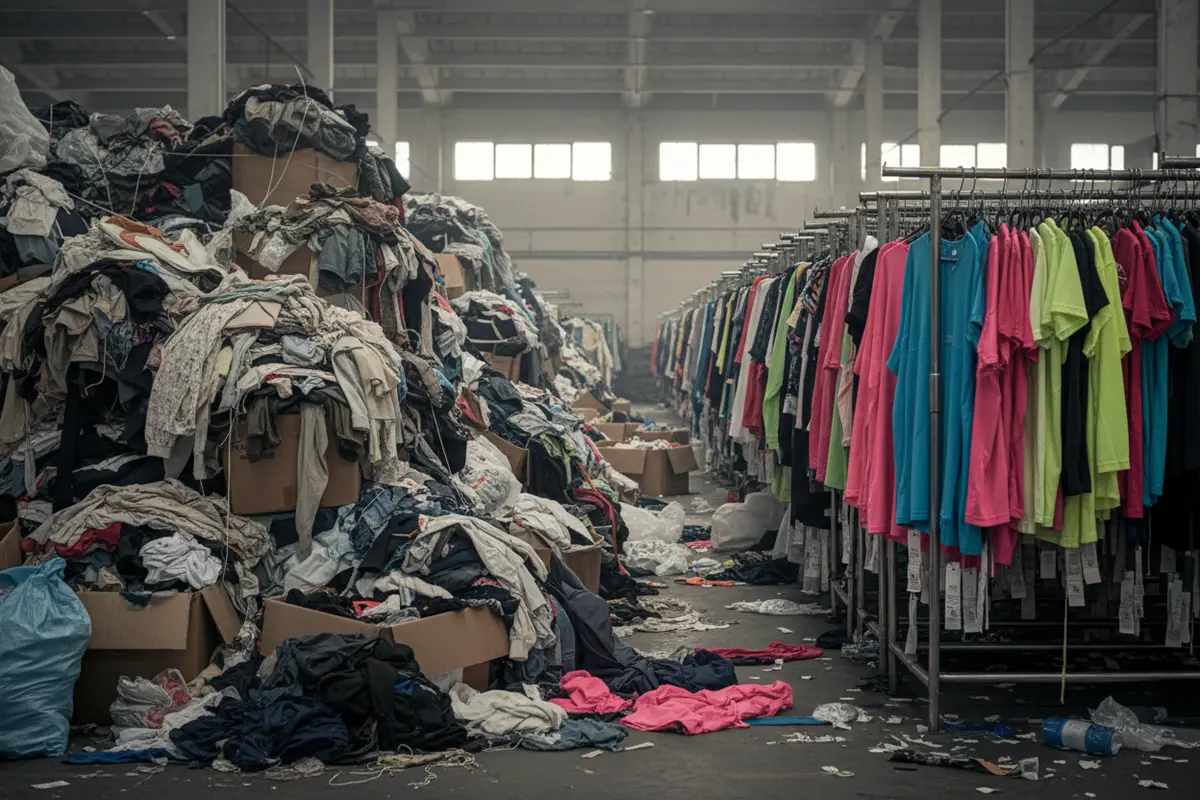
Fast fashion now produces twice as much clothing as it did in 2000. Fast fashion brands launch new trends weekly. Some release a new collection every week.
Fast fashion brands design clothes to be worn only a few times. Fast fashion brands never intend for their clothing to be worn more than a few times. This model increases waste. It adds weight to landfills. It harms the environment and the planet. Brands are profiting from this system by quickly turning over inventory and encouraging frequent purchases.
Consumerism drives this system. Consumerism and fashion waste are deeply ingrained in American society. The desire to follow trends often outweighs sustainability concerns. Overconsumption fills wardrobes with forgotten pieces.
Clearly, fast fashion impacts the planet and the future of fashion.
The Slow Fashion Movement: A Shift Toward Sustainability
In response, the slow fashion movement emerged.
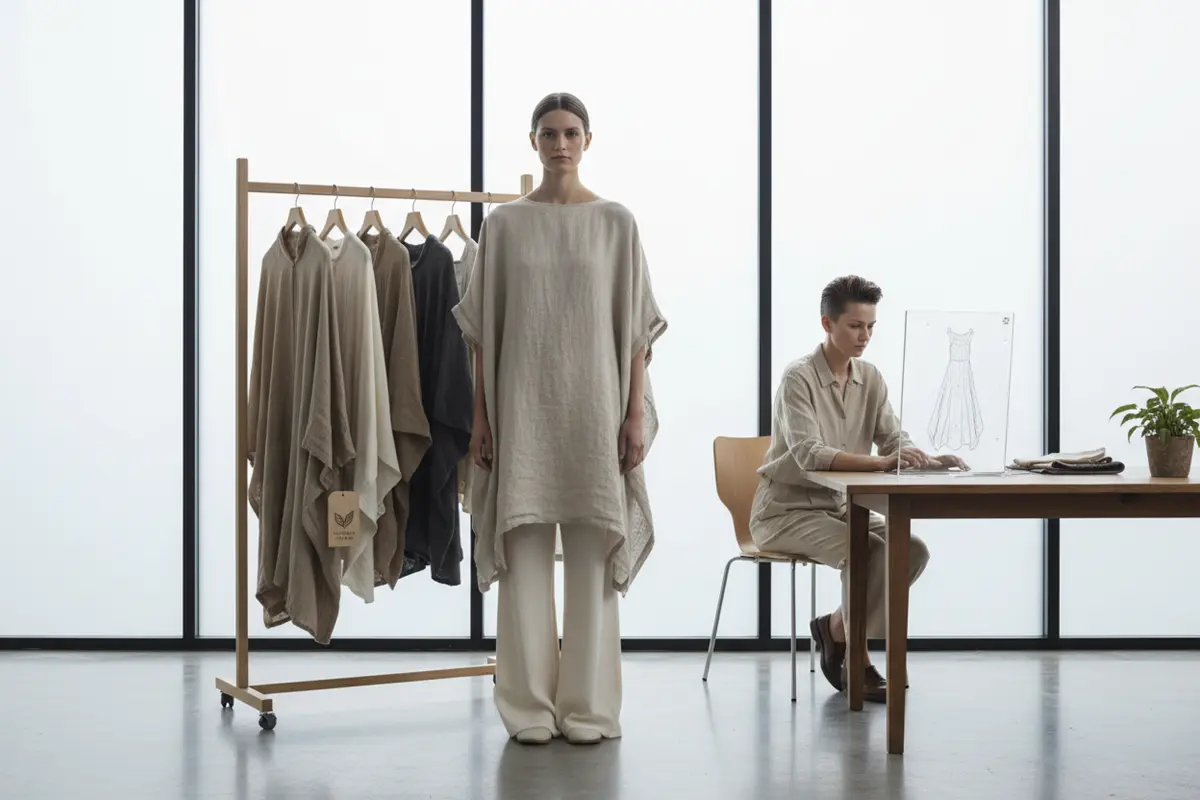
The slow fashion movement promotes sustainability, transparency, and quality. One of the key benefits of slow fashion is its positive impact on the environment and personal well-being, as it encourages more mindful and sustainable choices. Slow fashion encourages consumers to choose carefully. It values durable materials and ethical production. Slow fashion products are kind to both people and the environment, being gentle, ethically produced, and considerate in their impact.
Instead of chasing fleeting trends, slow fashion supports timeless pieces. Slow Fashion encourages thoughtful acquisition of clothing that has a meaningful narrative. It reduces waste. It protects the environment.
We invite you to join the slow fashion movement and become part of a community that values sustainability and mindful living.
Core Principles of Slow Fashion
| Principle | Meaning in Practice |
| Sustainability | Use of sustainable materials |
| Transparency | Clear sourcing and honest communication |
| Quality | Clothing designed to last |
| Ethical production | Fair labor practices |
| Community | Strong connection between brands and people |
The slow fashion movement represents a powerful fashion movement rooted in sustainability. Sustainable brands focus on quality. They reduce environmental impacts. They respond to a new generation that demands change.
Technological innovation also supports this shift. Plant-based materials and on-demand production reduce waste. They improve sustainability across the fashion industry.
The popularity of slow fashion continues to increase. Many brands now prioritize sustainability as a core aspect of their design and strategy.
Cultural and Social Movements in Fashion Today
Today, several social movements influence fashion.
Body Positivity
Body positivity challenges traditional beauty standards. Brands expand size ranges. They design clothing for diverse bodies.
This fashion movement reflects social awareness and inclusion.
Gender-Fluid Fashion
Gender-fluid fashion removes rigid categories. Designers create clothing that any person can wear. This movement in fashion promotes freedom and identity.
Athleisure
Athleisure blends athletic wear with everyday style. People now wear sneakers and active pieces in professional and social settings. This modern fashion movement transformed casual fashion worldwide.
How Social Media Transformed Fashion Movement
It is evident that social media has reshaped the movement of fashion.
Micro-trends dominate teen culture. Influencers shape trends and drive shopping habits. Internet aesthetics influence beauty and style.
At the same time, social media increases transparency. Conscious consumerism reflects increased awareness of the environmental and social impacts of fashion, driving demand for transparency. It allows consumers to question brands about sustainability and sourcing.
Digital platforms accelerate every fashion movement. They connect communities instantly across the world.

How Fashion Movements Influence Product Development
A fashion movement influences design decisions. Design teams analyze trends and social signals. They select sustainable materials. Many brands reject fur due to ethical concerns.
Product teams focus on quality and longevity. They reduce waste. They improve sustainability.
Product Strategy Template
| Step | Question | Action |
| Research | What defines this fashion movement? | Analyze community behavior |
| Design | How should the collection reflect change? | Develop aligned concepts |
| Sourcing | Which materials support sustainability? | Choose responsible sources |
| Production | Can we reduce waste? | Optimize processes |
| Marketing | How do we communicate values? | Build authentic storytelling |
This structured approach ensures alignment with movement in fashion.
Why Brands Must Adapt to the Movement of Fashion
Finally, brands have to respond to the major movements shaping fashion today. Consumers now expect transparency and real progress on sustainability. Brands that ignore these shifts risk losing relevance — and trust.
Sustainable brands earn loyalty by building genuine connections with their communities and preparing for the long term. The continued rise of the slow fashion movement reflects this deeper change: a shift toward quality over quantity, responsibility over speed.
At its core, a fashion movement influences how clothing is created, worn, and valued. It shapes standards of beauty, reflects social change, and impacts the industry at every level.
The future belongs to brands that combine sustainability, creativity, and accountability — and that understand the power of meaningful, lasting change in fashion.


Leave a Reply