

Introduction
The fashion industry supply chain moves ideas from a sketchbook to a customer’s closet. Every garment travels through a long path of planning, sourcing, development, manufacturing, logistics, and retail operations. This network is often called the fashion supply chain.
The fashion supply chain refers to the full set of supply chain processes required to design, produce, and deliver clothing products. Designers imagine products. Suppliers provide raw materials. Manufacturing facilities turn materials into garments. Logistics providers move finished products to distribution centers and stores. Supply chain management is a critical function within the broader fashion business, impacting how fast fashion, luxury, and sustainable brands operate and make decisions.
Because the global fashion industry depends on speed and constant product launches, fashion supply chain management plays a major role in operational efficiency and customer satisfaction. When fashion companies coordinate each step well, they reduce costs, improve inventory management, and respond quickly to consumer demand. The business services involved in the fashion supply chain include coordination among sourcing, manufacturing, shipping, and order management, often across a network of multiple service providers.
However, the supply chain of fashion industry operations is rarely simple. Global supply chains involve many partners, materials, and transportation routes. Small delays in sourcing raw materials or production processes can cause major supply chain disruptions.
This guide explains how the fashion industry supply chain works step by step. It also shows how fashion brands improve operational efficiency and supply chain visibility with modern supply chain management software.
Fashion Supply Chain Explained
Before exploring each stage, it helps to understand what the fashion supply chain actually includes.
The fashion supply chain covers all supply chain activities involved in bringing a fashion product to market. These activities range from concept development and material sourcing to manufacturing, distribution, and retail operations.
The fashion supply chain is structured into four levels: primary (raw materials), secondary (manufacturing), retail (sales), and auxiliary (support services).
In simple terms, the fashion supply chain connects creativity with logistics. It links designers, suppliers, factories, logistics providers, fashion retailers, and digital commerce platforms.
Because the global apparel market grows rapidly, fashion supply chain management must handle complex supply chains and global market pressures. Fashion professionals, supply chain managers, and fashion executives must coordinate these processes carefully.
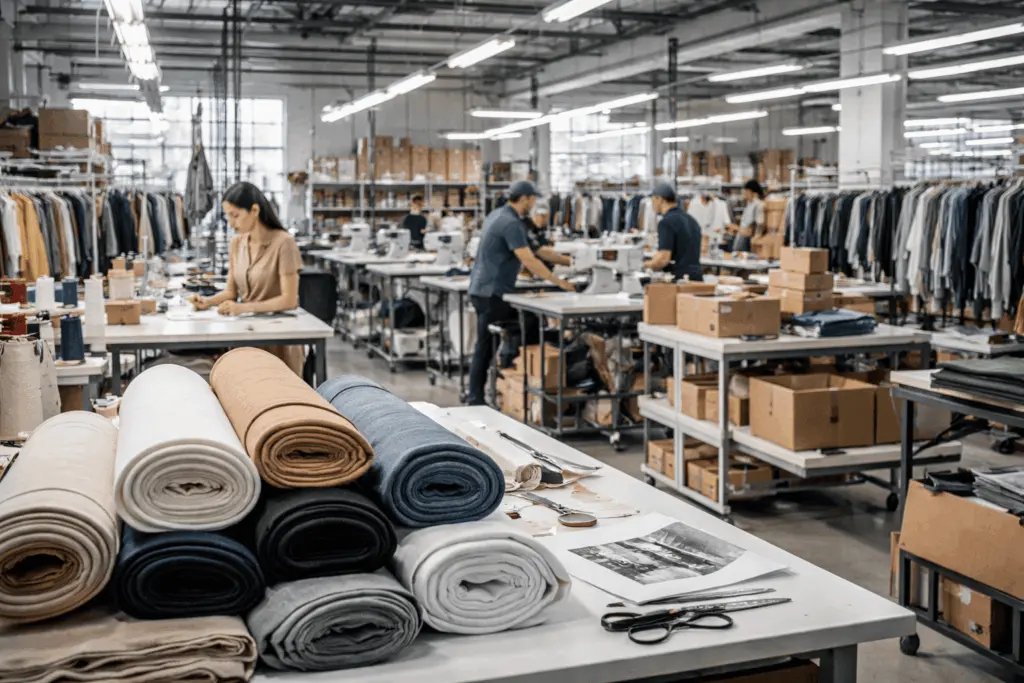
Key Elements of the Fashion Supply Chain
| Stage | Description |
|---|---|
| Concept & Design | Trend analysis and product planning |
| Raw Material Sourcing | Identifying fabrics and trims |
| Product Development | Sampling and testing |
| Manufacturing | Production processes in factories |
| Logistics | Transportation and distribution |
| Retail & E‑commerce | Customer sales and returns |
Each stage contributes to the entire supply chain and influences cost efficiency, timely delivery, and customer satisfaction.
Step 1: Trend Research & Product Concept
The fashion supply chain begins with trend research. Fashion brands constantly monitor fashion trends, consumer preferences, and consumer expectations.
Design teams analyze runway collections, social media signals, retail data, and emerging trends in the global fashion industry. This research helps fashion companies anticipate consumer demand and market demand fluctuations.
Advanced analytics can be used to build predictive models that more accurately forecast which SKUs will underperform, thus reducing raw material waste, storage costs, and discounted sell-offs.
Trend insights shape the next stage of the supply chain: product concept development.
Activities in the Concept Phase
Designers and fashion professionals usually complete several tasks during this stage:
- trend forecasting
- consumer research
- product concept sketches
- color palette planning
- price positioning
The goal is simple. Designers must create products that match consumer expectations while still meeting cost efficiency targets.
Demand forecasting also plays a role here. Fashion supply chain management teams estimate potential demand levels. Accurate demand forecasting helps optimize inventory management later in the supply chain.
Product Concept Template
| Product Element | Example |
| Product Type | Oversized wool blazer |
| Target Market | Urban professionals |
| Season | Fall/Winter |
| Target Retail Price | $180 |
| Raw Materials | Wool blend |
| Design Features | Relaxed silhouette |
Clear product briefs help supply chain managers coordinate the next supply chain stages.

Step 2: Material & Fabric Sourcing
Material sourcing represents one of the most important steps in the fashion supply chain.
Fashion companies must locate reliable suppliers capable of providing raw materials that meet quality, sustainability, and cost requirements.
Raw material sourcing often includes:
- cotton
- polyester
- wool
- leather
- synthetic fibers
Many fashion brands source raw materials globally. Cotton may come from India. Denim may come from Turkey. Buttons may come from Italy.
Because the fashion supply chain spans continents, supplier relationships become essential. Strong supplier relationships improve responsible sourcing and ethical sourcing practices.

Key Considerations During Material Sourcing
| Factor | Impact on Supply Chain |
| Raw material cost | affects cost efficiency |
| Lead times | influences production schedules |
| Quality standards | ensures customer satisfaction |
| Sustainability | reduces environmental impact |
Ethical sourcing also becomes more important in the fashion industry. Consumers increasingly expect fashion companies to adopt ethical labor practices and fair labor practices.
Many brands now use sustainable materials and recycled materials to reduce waste and environmental impact.
Responsible sourcing and sustainable practices help fashion companies build an ethical supply chain.
Step 3: Sampling & Costing
Once sourcing teams confirm fabrics and trims, the fashion supply chain moves into product development.
Factories create sample garments so designers can review fit, construction, and materials.
Sampling typically includes multiple versions of a garment.
Typical Sampling Stages
| Sample Type | Purpose |
| Prototype Sample | Initial design evaluation |
| Fit Sample | Fit adjustments |
| Sales Sample | Used for wholesale presentations |
| Pre‑Production Sample | Final production approval |
During this stage, supply chain management teams also calculate production costs.
Cost analysis includes several components:
- raw materials
- labor costs
- transportation costs
- packaging materials
- overhead expenses
Accurate costing helps fashion companies maintain profit margins and reduce costs across the fashion supply chain.
Supply chain managers also evaluate production processes and manufacturing facilities to ensure efficient supply chain management.

Step 4: Manufacturing & Production Planning
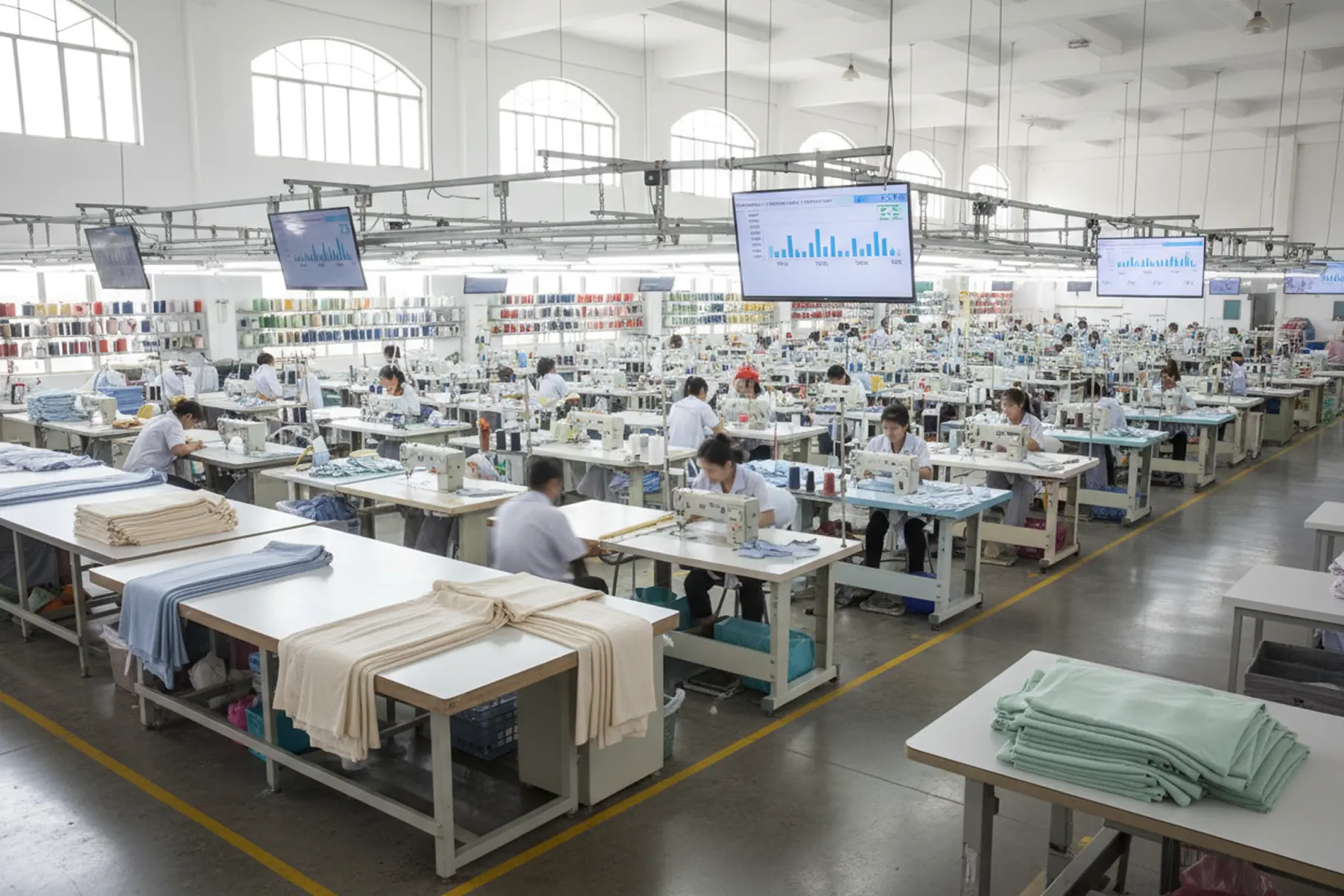
After final sample approval, the fashion supply chain enters full production.
Manufacturing facilities begin producing garments at scale. Production planning teams coordinate schedules to meet deadlines and consumer demand.
Factories receive detailed technical documentation, including:
- tech packs
- size specifications
- quality control requirements
- packaging guidelines
Typical Production Processes
| Phase | Activity |
| Fabric Cutting | Preparing pattern pieces |
| Sewing | Assembling garments |
| Finishing | Pressing and trimming |
| Labeling | Adding brand and care labels |
| Packing | Preparing for shipment |
Production planning must align with supply chain visibility goals. Fashion supply chain management teams track production progress to prevent delays.
Fast fashion supply chain models accelerate this process. Fast fashion supply chain strategies focus on rapid product launches and shorter production cycles. Digital pattern creation reduces supply chain complexity by eliminating multiple sampling rounds.
However, speed must balance with quality control and sustainability practices.
Step 5: Quality Control & Compliance
Quality control protects brand reputation and customer satisfaction. Compliance and regulations pose significant challenges in the fashion supply chain, requiring adherence to local and international standards.
Before products leave manufacturing facilities, inspectors review garments carefully.
Quality control inspections evaluate:
- stitching accuracy
- sizing measurements
- material defects
- labeling compliance
Fashion supply chain management teams also check compliance with ethical sourcing policies. Quality control checks ensure products meet original design specifications during the manufacturing process.
Many fashion brands work with third‑party auditors to ensure fair labor practices and ethical labor practices.
Sustainability practices also influence inspections. Brands monitor environmental impact and sustainable business practices within the fashion supply chain.
Common Inspection Types
| Inspection Type | Goal |
| Inline Inspection | Identify issues during production |
| Final Inspection | Evaluate finished garments |
| Random Inspection | Check shipment samples |
Strong quality control improves operational efficiency and prevents costly returns.

Step 6: Logistics, Warehousing & Distribution
After production finishes, logistics teams move products through the next stage of the supply chain. The global fashion logistics market spend is expected to reach €369,318.9m by 2029, growing by 3.1% year-on-year, indicating a significant investment in supply chain capabilities.
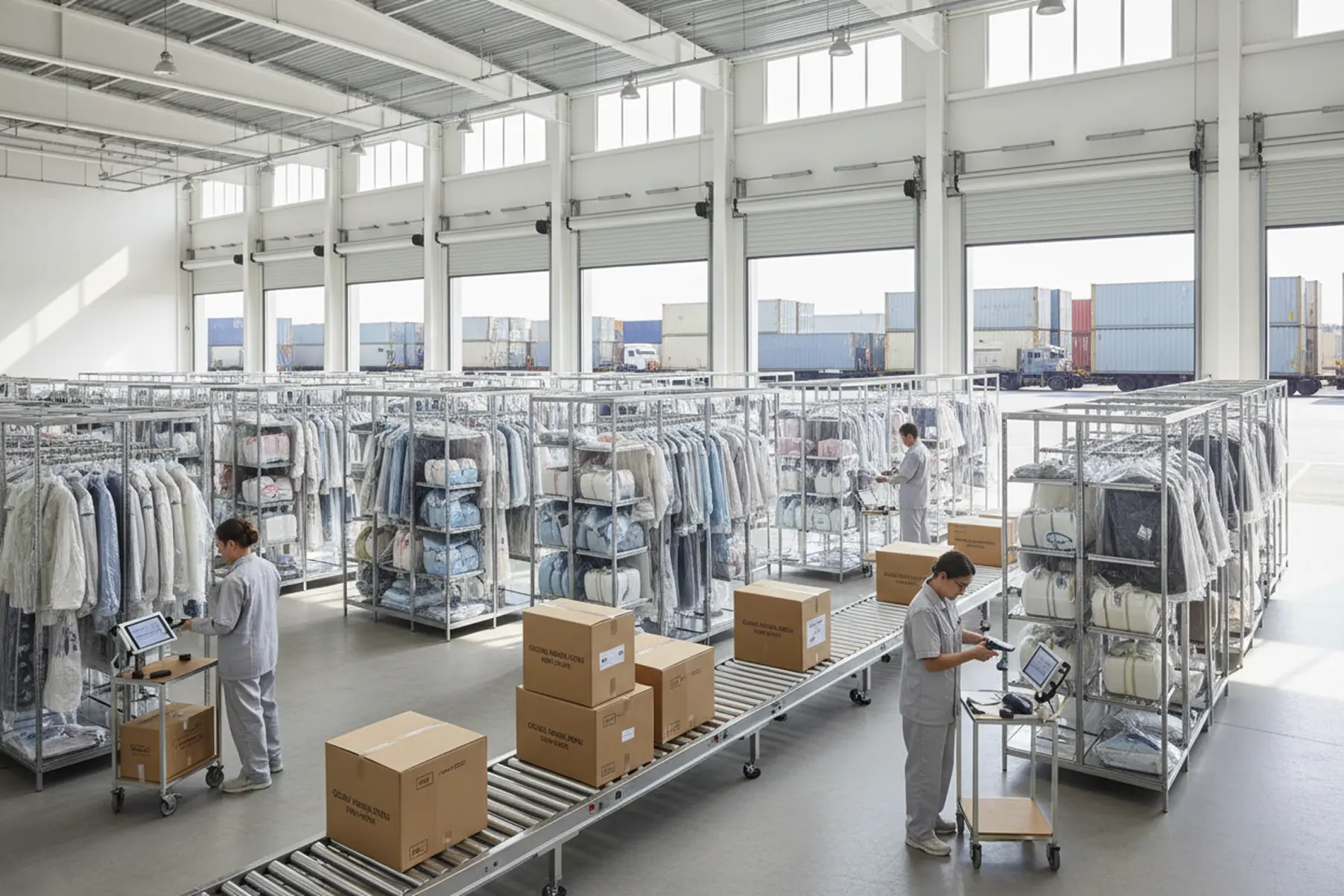
Logistics providers coordinate transportation across global supply chains. Garments travel through ports, airports, and trucking routes before reaching distribution centers.
Transportation methods often include:
- ocean freight
- air freight
- rail transport
- road trucking
Transportation costs represent a major component of the fashion supply chain. Companies must balance cost efficiency with timely delivery.
Distribution centers then handle inventory management and product allocation.
Logistics Flow in the Fashion Supply Chain
| Stage | Description |
| Factory | Products packed and shipped |
| International Freight | Transport via sea or air |
| Customs Clearance | Import documentation |
| Distribution Centers | Sorting and storage |
| Retail Locations | Final product delivery |
Efficient logistics improve operational efficiency and support inventory management systems.
Fashion retailers rely on accurate inventory management to meet customer expectations and consumer demand.
Step 7: Retail, Returns & End‑of‑Life
The final stage of the fashion supply chain happens when products reach customers.
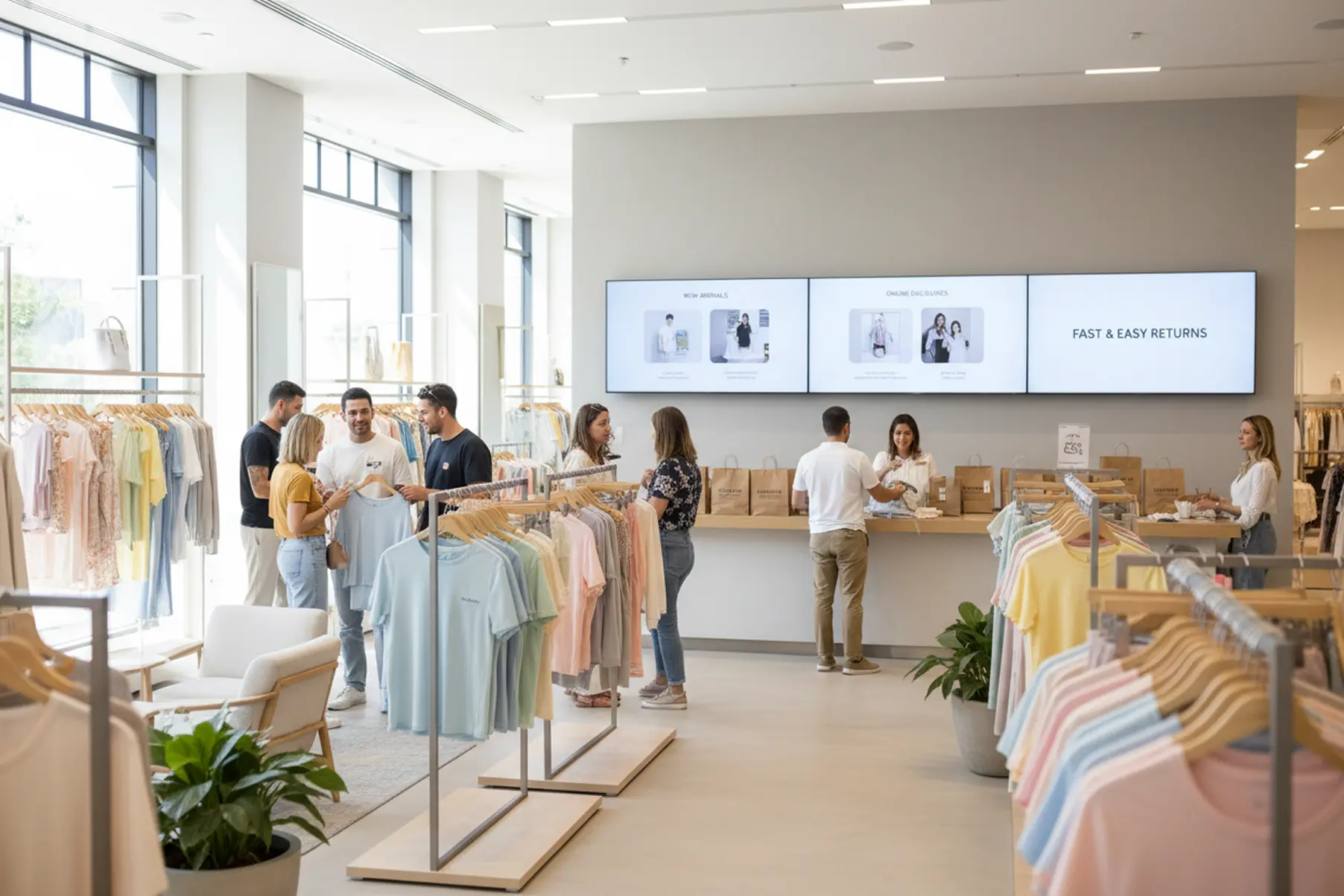
Fashion retailers sell products through stores, marketplaces, and e‑commerce platforms. Marketing campaigns and merchandising strategies influence purchasing decisions.
However, modern fashion supply chain management also includes reverse logistics.
Returned products may follow several paths:
- restocking
- resale
- recycling
- donation
Sustainable practices increasingly shape this stage of the supply chain. Fashion companies explore recycled materials and circular design strategies to reduce waste.
Sustainable business practices and environmental impact considerations continue to influence the future of the fashion industry.
Market Demand and Fluctuations
The global fashion industry is constantly shaped by shifting consumer preferences, seasonal trends, and unpredictable economic conditions. These market demand fluctuations can create both opportunities and challenges for fashion brands, making agile fashion supply chain management essential for success.
To stay ahead, fashion companies rely on advanced supply chain management tools that provide real-time supply chain visibility and accurate demand forecasting. By analyzing sales data, social media trends, and retail feedback, brands can anticipate changes in consumer demand and adjust their supply chain processes accordingly. This proactive approach helps optimize inventory management, ensuring the right products are available at the right time—reducing waste and improving cost efficiency.
Effective supply chain management also means being prepared for sudden spikes or drops in demand. By streamlining supply chain processes and leveraging technology, fashion brands can quickly scale production up or down, minimizing the risk of overstock or stockouts. Sustainable practices, such as producing smaller, more targeted collections or using recycled materials, further help fashion companies adapt to market changes while supporting environmental goals.
Additionally, diversifying suppliers is a key strategy for managing the risks associated with market demand fluctuations. By working with a broader network of partners, fashion companies can respond more flexibly to changes in consumer preferences and ensure a resilient supply chain that delivers consistent customer satisfaction.
Diversifying Suppliers
In today’s complex fashion supply chain, diversifying suppliers is more than just a risk management tactic—it’s a strategic advantage. By sourcing raw materials and finished goods from a variety of suppliers, fashion brands can enhance supply chain transparency, ensure compliance with fair labor practices, and reduce their vulnerability to supply chain disruptions.
Supply chain management software plays a vital role in this process, enabling fashion companies to identify, evaluate, and onboard new suppliers efficiently. These tools help assess each supplier’s commitment to ethical and sustainable practices, ensuring that every link in the supply chain aligns with the brand’s values and regulatory requirements.
Diversifying suppliers also opens doors to new markets and can help reduce transportation costs by sourcing closer to key distribution centers or retail outlets. This approach not only improves overall supply chain efficiency but also supports responsible sourcing and ethical sourcing initiatives, which are increasingly important to today’s consumers.
By building a robust and diverse supplier network, fashion companies can better navigate challenges such as natural disasters, political instability, or sudden changes in market demand. Prioritizing ethical and sustainable practices throughout the supplier base not only strengthens the supply chain but also enhances brand reputation and builds lasting trust with customers—key ingredients for long-term success in the fashion industry.
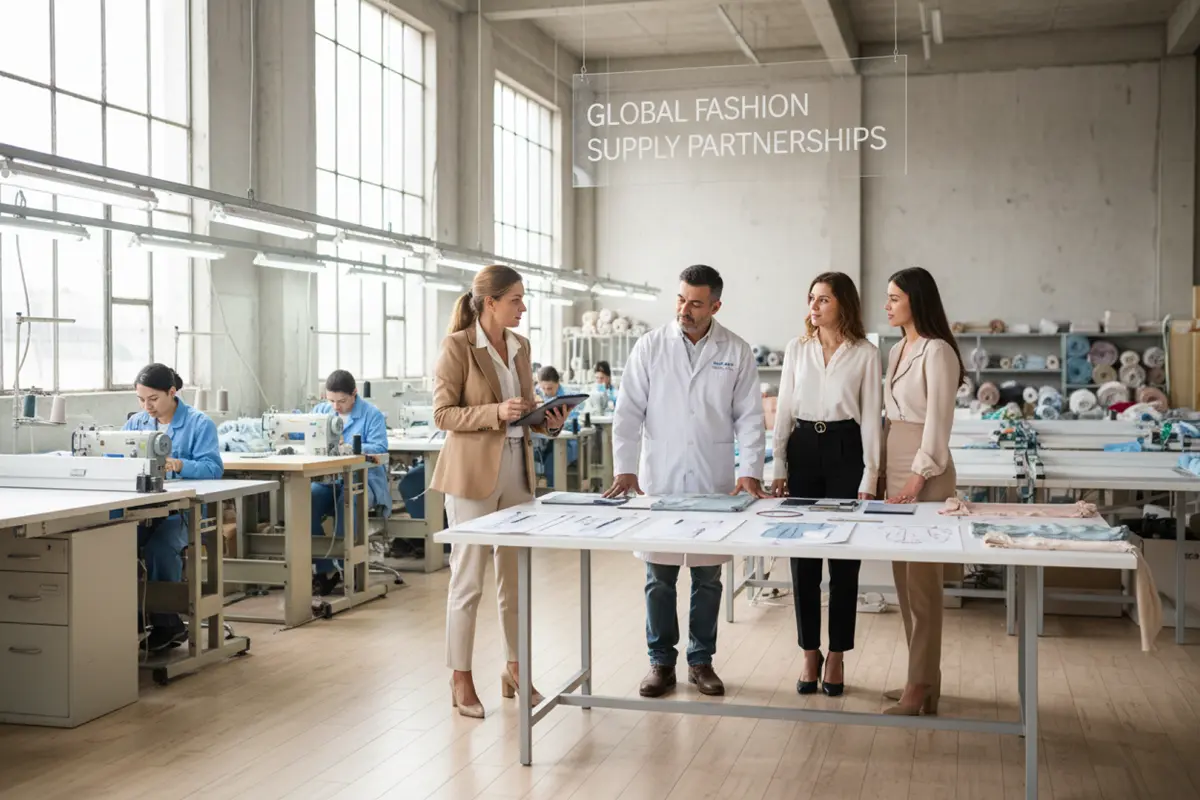
Where Communication Breaks Down in the Fashion Supply Chain
Despite clear supply chain stages, communication issues often appear.
Fashion companies frequently rely on disconnected tools and spreadsheets. This approach limits supply chain visibility and slows supply chain processes.
Common Supply Chain Challenges
| Issue | Result |
| Poor data sharing | delays in product development |
| Limited supply chain transparency | supplier confusion |
| Email‑based workflows | lost decisions |
| Version control issues | inaccurate specifications |
These problems create supply chain disruptions and reduce operational efficiency.
External factors can also affect the supply chain.
Natural disasters, global crises, and market demand fluctuations can disrupt production schedules or transportation routes.
To build resilient supply chains, fashion companies increasingly diversify suppliers and adopt supply chain management tools.
Diversifying suppliers reduces risk and improves flexibility within global supply chains.
How Centralized Product Data Improves the Fashion Supply Chain
Centralized product data systems help fashion companies manage complex supply chains.
When teams store product information in one platform, the entire supply chain becomes more transparent.
Centralized systems improve supply chain traceability and supply chain visibility across sourcing, development, and manufacturing.
Key benefits include:
- improved operational efficiency
- faster decision making
- reduced production errors
- improved supplier collaboration
Fashion supply chain management platforms also support inventory management systems and demand forecasting.
Some companies integrate machine learning into supply chain management software to analyze consumer demand patterns.
Machine learning tools help predict demand, optimize inventory management, and reduce costs.
These technologies allow fashion companies to build resilient supply chains capable of adapting to changing consumer preferences.
Supply chain automation simplifies procurement, fulfillment, inventory tracking, and logistics. Companies using cloud-based apparel ERP solutions can instantly coordinate inventory reallocation among warehouses in response to demand shifts, triggering the necessary transfers without manual intervention.
How Wave PLM Supports Fashion Supply Chain Management
Modern fashion businesses require powerful supply chain management software to coordinate product development and sourcing. Technology integration across the supply chain can reduce costs by 20-30%. An integrated, fashion-specific supply chain management software platform is critical for achieving end-to-end visibility, operational efficiency, and rapid responsiveness.
Wave PLM provides fashion companies with centralized product lifecycle management tools that support fashion supply chain management.
Wave PLM helps manage fashion supply chain processes without replacing existing ERP systems.
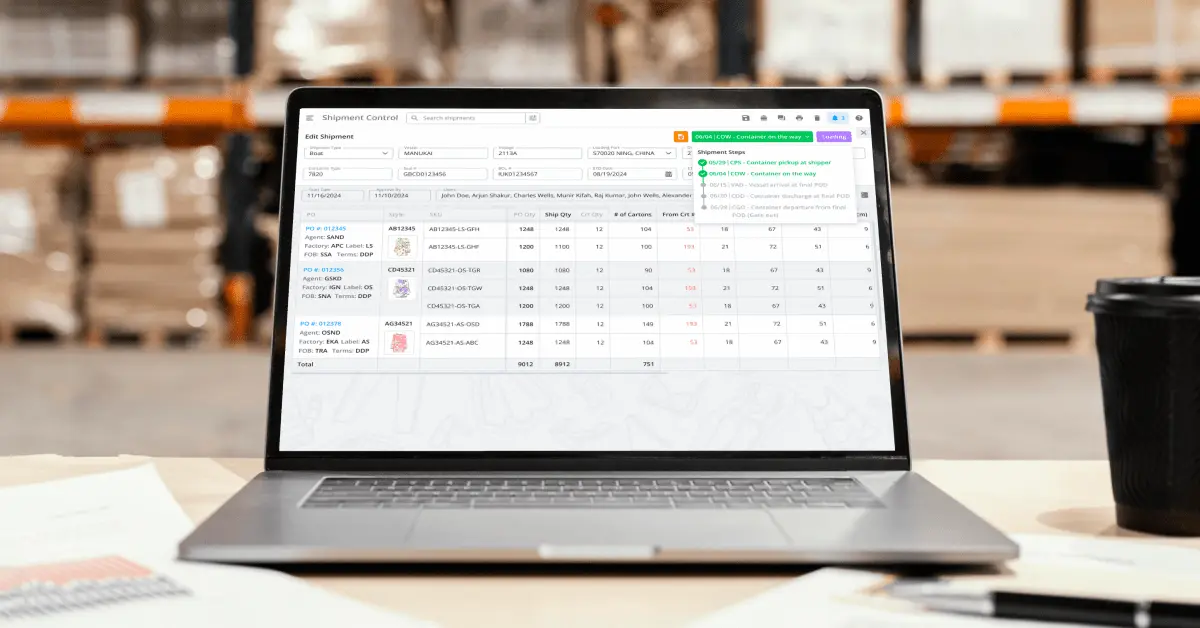
Key Capabilities
| Capability | Benefit |
| Product Data Management | Centralized product information |
| Supplier Collaboration | Strong supplier relationships |
| Sampling Tracking | Faster product development |
| Costing Tools | Improved cost efficiency |
| Production Monitoring | Better supply chain visibility |
By organizing data and communication, Wave PLM improves operational efficiency across the fashion supply chain.
Supply chain managers gain better insights into sourcing raw materials, production processes, and logistics operations.
This visibility helps fashion brands deliver products faster while maintaining ethical sourcing and sustainable practices.
Fashion Supply Chain FAQs
What is a fashion supply chain?
The fashion supply chain includes all supply chain processes involved in designing, producing, transporting, and selling fashion products.
Why is the fashion supply chain important?
The fashion supply chain important role involves connecting design, production, and distribution activities. Efficient supply chain management helps fashion companies reduce costs, meet consumer demand, and improve customer satisfaction.
How do fashion companies improve supply chain efficiency?
Fashion companies improve efficient supply chain management by adopting supply chain management software, improving supply chain visibility, and diversifying suppliers.
What are the trends in fashion manufacturing in 2026?
It’s more and more about sustainability. Fashion companies that integrate sustainable materials, waste reduction processes, and fair labor practices throughout their supply chains appeal to ethically conscious consumers.
Over 70% of fashion brands have strategically committed to circularity and are beginning to implement it to reduce waste and conserve resources. Also, many fashion companies are moving production closer to home by nearshoring or reshoring to respond quickly to trends and avoid international shipping delays.
Final Thoughts
The fashion supply chain is navigating a “poli-crisis” defined by economic volatility, unpredictable trade policies, and sustainability mandates. Emerging regulations, such as the EU’s Ecodesign for Sustainable Products Regulation, require brands to provide verifiable data on each product’s lifecycle and environmental footprint.
On the one hand, rapid production cycles and price-sensitive consumers make fashion supply chains vulnerable to disruptions. On the other hand, sustainability and ethical practices have become critical challenges in the fashion supply chain due to growing consumer awareness and regulatory pressures.
The fashion supply chain represents a complex system connecting design creativity with global manufacturing and logistics operations. Supply chain management software with built-in AI, machine learning, and predictive models can help companies adjust quickly to avoid potential interruptions in the chain.
More than 80% of fashion professionals believe that investing in technology will help tackle deep-seated issues with supply chain visibility and sustainability. Every stage — from raw material sourcing to retail distribution — affects operational efficiency, cost efficiency, and customer satisfaction.
As the global apparel market continues to evolve, fashion companies must invest in supply chain management strategies that support transparency, sustainability practices, and resilient supply chains.
Technology, collaboration, and responsible sourcing will continue shaping the future of the fashion industry supply chain.



Leave a Reply