
If you love fashion, you can build a career that matches your strengths. The industry needs creative talent, technical specialists, and sharp business minds. You can work at a fashion house, an established fashion company, or a fast-growing clothing brand.
And with fashion being a $1.2 trillion global industry, there’s no shortage of paths to explore.
This guide gives you a clear list of careers in fashion — with key fields, real roles, and what each job actually involves. You’ll also learn how different teams work together behind the scenes across the fashion industry.
Quick Answer: What Are All the Jobs in Fashion?
You can find careers in fashion across design, production, retail, marketing, and tech. Here are some of the most common careers in the fashion industry:
- Fashion designer
- Fashion stylist
- Fashion merchandiser
- Fashion buyers
- Retail buyers
- Textile designers
- Graphic designer
- Fashion illustrator
- Garment technologists
- Social media managers
- Ecommerce manager
- Brand manager
- Public relations specialist
This article breaks down each fashion design career path in detail.
How the Fashion Industry Is Structured (Big picture)
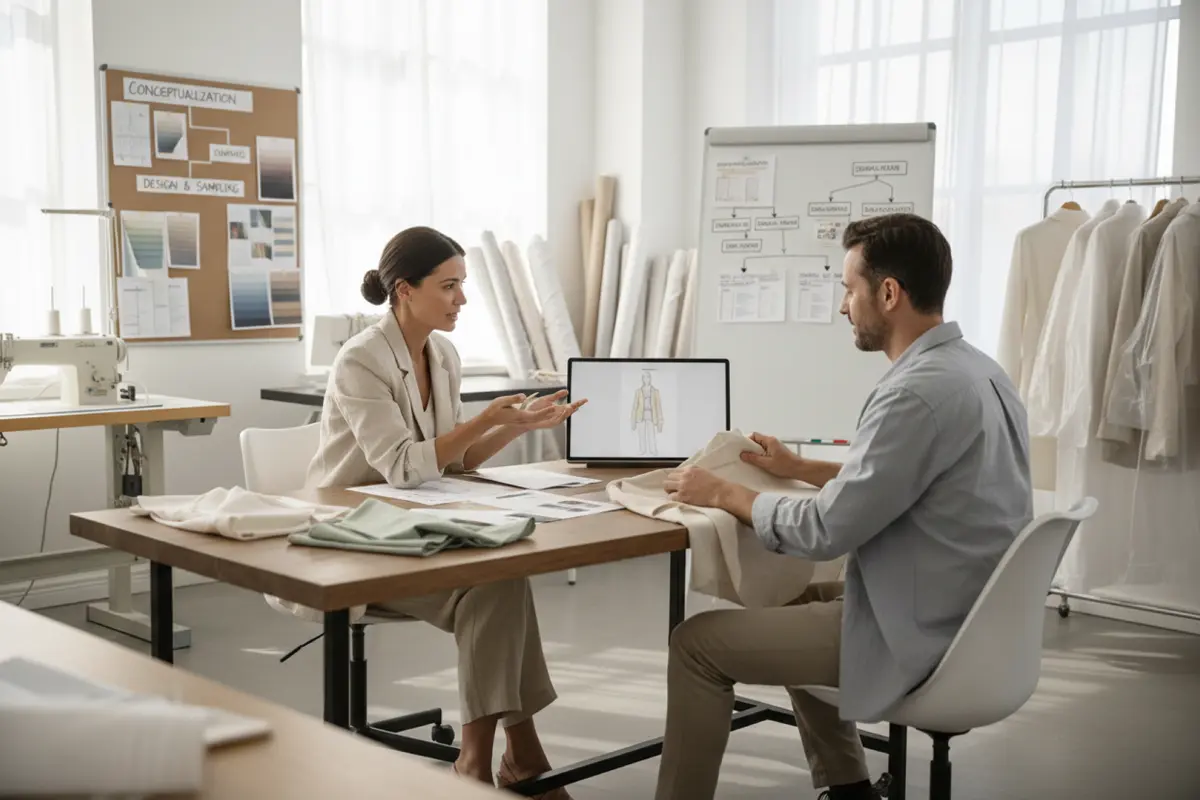
The fashion industry works like a pipeline. Each stage supports the next one. A design team starts the idea. Production teams make it real. Retail teams sell it. Marketing teams build demand. Career paths typically follow a trajectory from entry-level assistant roles to senior management.
Most fashion brands follow this workflow:
- Trend forecasting and research
A trend forecaster identifies and predicts emerging trends in fashion, analyzing consumer behavior and market shifts to guide brands and retailers. - Fashion design and concept planning
- Material selection and textile designs
- Pattern making and sampling
- Fit checks and approvals
- Sourcing and production
- Quality control and shipping
- Retail stores and physical stores launch
- Fashion marketing and online marketing
- Feedback and improvements
Fashion involve many departments. Teams work closely to keep products on time and on brand. In 2026, job roles in fashion include a heavy emphasis on circularity and technological integration.
Design & Creative Careers
Creative roles shape how fashion looks and feels. These careers in the fashion often start with strong ideas and strong taste.
Fashion designer
A fashion designer creates new garments and accessories for fashion brands. Fashion designers work on collections, colors, and silhouettes. A fashion designer also considers cost, fit, and timelines.
A fashion designer may work on:
- Womenswear
- Menswear
- Kidswear
- Sportswear
- Luxury and haute couture
What a fashion designer does every day:
- Build conceptual sketches and mood boards
- Research upcoming trends
- Choose fabrics and trims
- Review samples and fittings
- Present designs for approvals
Key technical skills:
- Drawing and garment knowledge
- Computer aided design tools
- Cad software for design files
Many people choose this fashion design career because it feels like a dream job.
Fashion illustrator
A fashion illustrator creates artwork that shows design ideas. A fashion illustrator supports a fashion designer with visuals. This role helps teams understand the concept faster.
What you do:
- Create conceptual sketches for collections
- Build line sheets and presentation pages
- Support fashion shows and runway shows
Textile designers
Textile designers create fabrics, textures, and finishes. They help fashion brands stand out. Also, textile designers test performance and quality (tip – read our article about innovative textiles, if you want to work in this field).
What you do:
- Develop new fabric concepts
- Test weight, drape, and stretch
- Share swatches with the design team
Textile designers often work closely with production companies and mills.
Print designer
A print designer creates surface patterns for garments. Print design can define a season for fashion brands.
What you do:
- Design repeats and placements
- Prepare files for printing methods
- Match print scale to garment shapes
Graphic designer
A graphic designer builds visuals for branding and products. Graphic designers are typically employed by fashion brands, agencies, or in-house creative teams. A graphic designer may design logos, labels, and packaging. Many fashion brands also hire a graphic designer for digital assets.
Graphic design supports:
- Marketing materials
- Product tags and labels
- Lookbooks and campaign visuals
Product Development & Technical Careers
These careers in fashion turn ideas into finished products. You need precision, process, and strong communication.
Product developer
A product developer manages the product journey from idea to bulk production. A product developer helps control cost, timing, and vendor coordination.
What you do:
Technical designer
A technical designer focuses on fit, measurements, and construction. This role helps reduce returns and improve quality. Technical Designer focuses on garment engineering, fit, and technical specifications.
What you do:
- Build size specs and fit notes
- Run fit sessions with the team
- Approve construction details
Pattern maker
A pattern maker creates patterns that factories use to cut fabric. Pattern making requires precision and patience. Pattern making also connects design and production.
What you do:
- Create first patterns from design sketches
- Refine patterns after fittings
- Support grading and size runs
Pattern making can lead to senior roles in garment technology.
Garment technologists
Garment technologists focus on construction, fit, and performance. Garment technologists help improve product consistency across suppliers.
What you do:
- Review samples and technical packs
- Support testing and compliance
- Improve garment technology standards
Garment technologists work closely with factories and technical teams.
Production & Supply Chain Careers
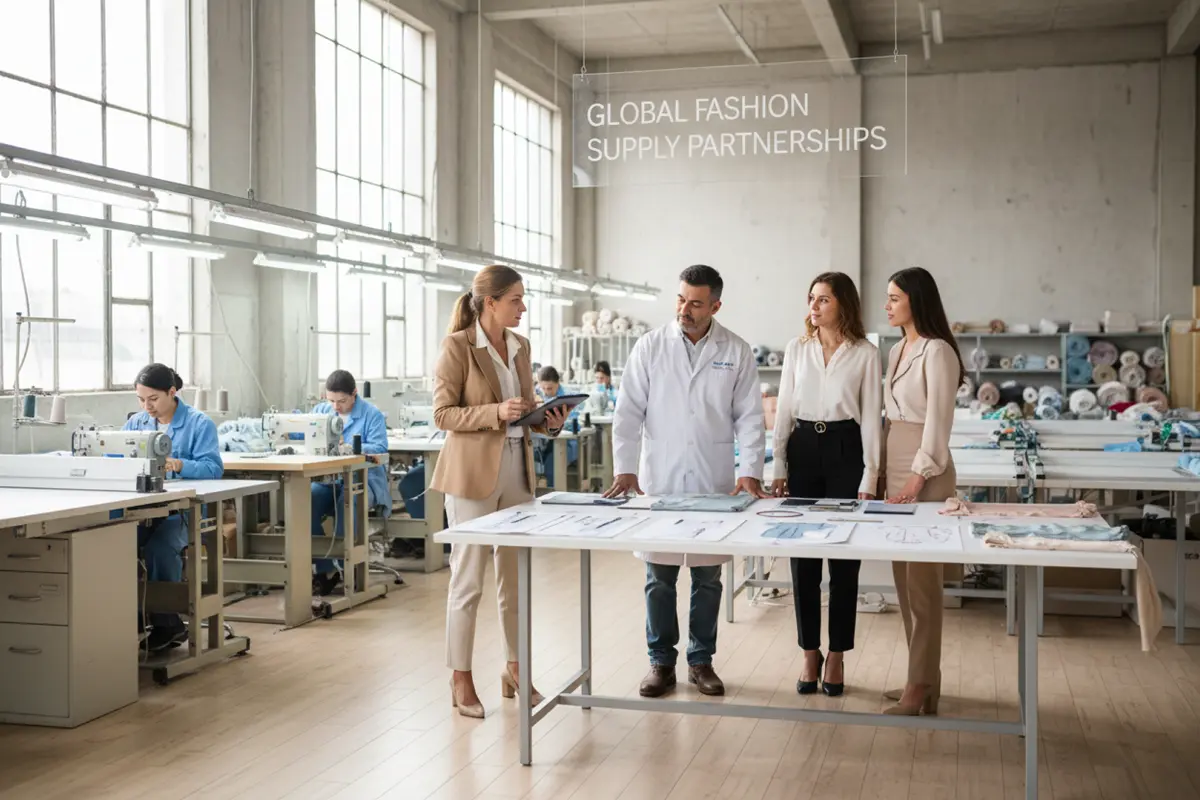
These roles keep products moving from factory to customer. The fashion industry relies on strong supply chain work.
Sourcing manager
A sourcing manager finds suppliers and factories for fashion brands. You balance cost, lead time, and quality.
What you do:
- Select factories and negotiate pricing
- Confirm material availability
- Manage risk and capacity
Production coordinator
A production coordinator tracks orders and timelines. This role supports smooth execution across production companies.
What you do:
- Track purchase orders and updates
- Coordinate shipping and packing
- Share progress reports
Quality control specialist
A quality control specialist checks products before shipment. Quality control protects customer trust and brand value.
What you do:
- Inspect samples and bulk production
- Flag defects and measurement issues
- Support corrective actions
Business & Brand Careers
These roles drive growth and profit. They shape how fashion brands compete in the market.
Brand manager
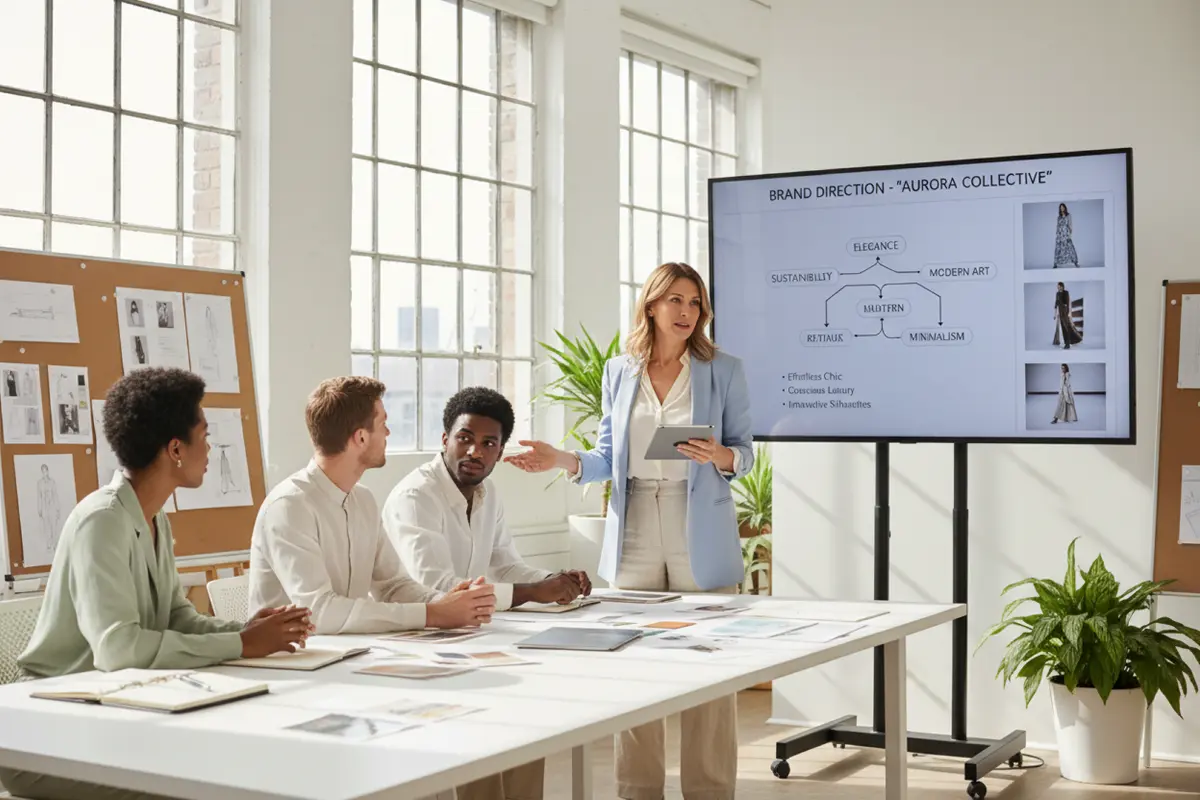
A brand manager builds brand direction and messaging. You shape the public image of a fashion company.
What you do:
- Define seasonal themes
- Align campaigns with product launches
- Track customer response
Fashion merchandiser
A fashion merchandiser plans assortments and supports sales goals. Fashion merchandising connects product decisions with customer demand. They work closely with buyers to ensure the correct items and quantities are sent to the right locations.
What you do:
- Plan product mix by category
- Track sales and stock
- Support pricing and promotions
Fashion merchandising teams work closely with buying and design.
Fashion buyers
Fashion buyers choose products that stores will sell. Fashion buyers study trends, budgets, and customer needs.
What you do:
- Select products and quantities
- Negotiate costs
- Review performance and reorder plans
Retail buyers often work in department stores and high street retailers.
Merchandiser
A merchandiser supports sales planning and product strategy. Many brands use both merchandiser and fashion merchandiser titles.
What you do:
- Analyze sales trends
- Plan pricing ladders
- Support seasonal direction
Marketing & Digital Careers
These roles help fashion brands grow awareness and sales. Many careers in fashion now include digital work. Marketing campaigns are strategic initiatives planned and executed by fashion marketers to promote brands, including events, email outreach, store displays, and social media content, with ongoing analysis and collaboration across departments.
Fashion marketer
A fashion marketer builds campaigns and messaging. Fashion marketing connects product stories to customers.
What you do:
- Plan launches and promotions
- Write product messaging
- Track results and learn fast
Fashion marketing often connects with public relations.
Ecommerce manager
An ecommerce manager runs the online store. This role improves conversion and customer experience.
What you do:
- Launch new products online
- Improve site search and navigation
- Track conversion and revenue
Social media & content roles
Social media managers build daily brand presence. They create posts, videos, and stories.
Common job titles:
- Social media managers
- Content creator
- Copywriter. Fashion Journalist/Editor writes for magazines, blogs, or websites, covering trends, reviews, and industry news.
- Community manager
What you do:
- Plan content calendars
- Publish daily content
- Track engagement and clicks
Retail & Visual Careers
Retail teams bring fashion to life for customers. Visual roles shape how shoppers experience products.
Visual merchandiser
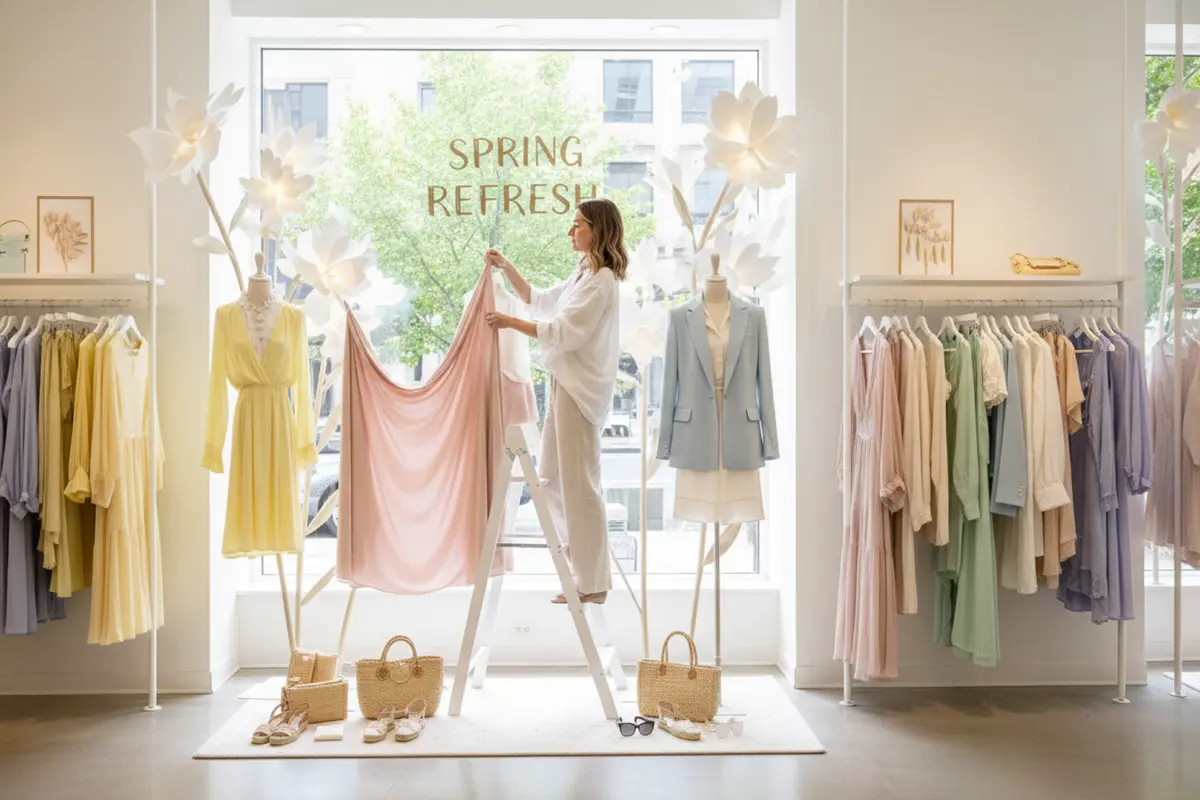
A visual merchandiser creates in-store displays and styling. You support sales through better presentation.
What you do:
- Support designing store layouts
- Improve store layouts by season
- Style mannequins and displays
Retail manager
A retail manager leads store teams and daily operations. This role drives sales performance.
What you do:
- Lead schedules and training
- Track targets and KPIs
- Support shop floor performance
Retail management offers strong growth in the retail industry.
Sales associates
Sales associates support customers in retail stores. They help customers find the right fit and style.
What you do:
- Support styling and product questions
- Keep the store organized
- Help drive daily sales
Fashion Styling, Media, and Public Image Careers
Some careers in fashion focus on image, storytelling, and influence. These roles often connect with fashion magazines and fashion shows.
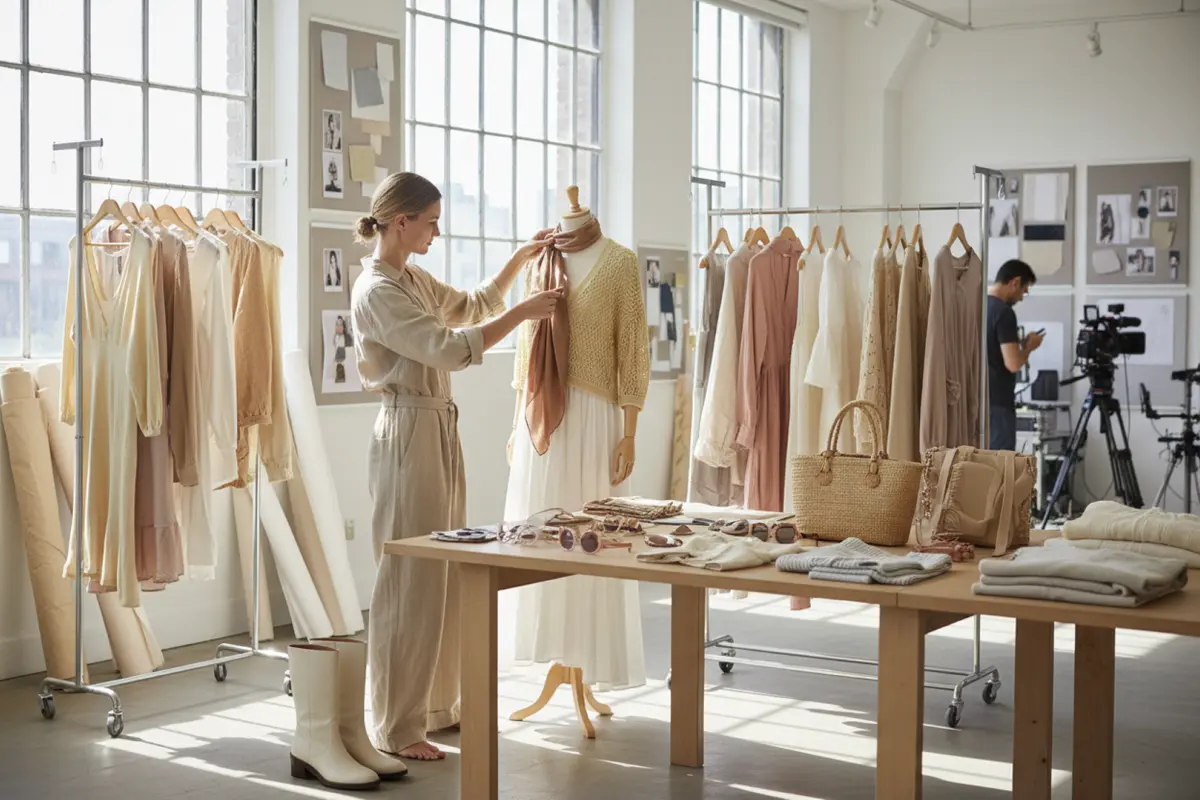
Fashion stylist
A fashion stylist creates looks for shoots, campaigns, and events. Fashion stylist work often includes fittings and styling plans.
Fashion stylist tasks include:
- Build visually appealing outfits
- Pull pieces from fashion brands
- Style talent for runway shows
Many fashion stylist roles connect with personal stylists.
Personal stylists
Personal stylists work with individual clients. Personal stylists help clients build wardrobes that match their personal style.
What you do:
- Build outfits for events and work
- Shop with clients in department stores
- Recommend brands and fit options
Personal stylists can start their own business over time.
Makeup artists
Makeup artists support campaigns, shoots, and fashion shows. Makeup artists help models and talent look camera-ready. Makeup artists are typically employed by production companies, fashion brands, or freelance for fashion shows and shoots.
What you do:
- Create makeup looks for themes
- Support runway shows and shoots
- Work closely with stylists and photographers
Fashion writers
Fashion writers create content for brands and media. Fashion writers often write for fashion magazines. They cover trends, fashion shows, and new collections for various media outlets.
What you do:
- Write product stories and trend pieces
- Interview designers and teams
- Use strong writing skills for clear content
Fashion public relations
Fashion public relations protects brand reputation and builds media visibility. Fashion public relations teams support launches and events.
What you do:
- Manage press outreach
- Support handling media inquiries
- Respond to media inquiries fast
Public relations work also supports the public image of a fashion house.
Fashion Technology & Operations Careers
Tech roles now shape the future of the fashion industry. These careers in the fashion support speed, accuracy, and better teamwork.
PLM manager
A PLM manager runs product lifecycle systems. You keep product data accurate. You also improve workflows across teams. Software like Wave PLM can help you with that.
What you do:
- Build templates and workflows
- Train teams on best practices
- Improve product data quality

Fashion data analyst
A fashion data analyst supports smarter planning. Data analysis helps reduce waste and improve performance.
What you do:
- Track sales and stock
- Build dashboards and reports
- Support forecasting
Fashion Careers List (Quick view table)
Use this fashion careers list to compare roles quickly.
| Fashion fields | Role | Main focus | Where you might work |
|---|---|---|---|
| Design & creative | Fashion designer | Fashion design and collections | Fashion house, fashion brands |
| Design & creative | Textile designers | Fabric and materials | Mills, fashion company |
| Design & creative | Graphic designer | Graphic design and visuals | Fashion brands, agencies |
| Design & creative | Fashion illustrator | Concept visuals | Design studios |
| Styling & media | Fashion stylist | Styling and shoots | Fashion shows, campaigns |
| Styling & media | Personal stylists | Client wardrobes | Department stores, own business |
| Product development | Product developer | Sampling and timelines | Fashion company |
| Technical | Garment technologists | Fit and standards | Brands, factories |
| Supply chain | Sourcing manager | Suppliers and costing | Global production teams |
| Retail | Retail buyers | Product selection | High street retailers |
| Digital | Ecommerce manager | Online store growth | Fashion retailers |
| Marketing | Fashion marketer | Fashion marketing | Fashion brands |
| PR | Fashion public relations | Public image and press | Fashion house |
Templates: Career Paths You Can Follow
Fashion careers can grow fast when you choose a direction. In 2026, many Fashion Designers use Generative AI for rapid concept development don’t be afraid to explore this field.
Template 1: Fashion design career path
- Fashion school student
- Assistant fashion designer. They supports designers with research, mood boards, and sketches.
- Fashion designer
- Senior fashion designer
- Design director (artistic or creative). Creative Director sets the overarching theme, color palette, and styling for an entire fashion collection. These positions are responsible for the aesthetic development of clothing, accessories, and textiles.
Template 2: Styling career path
- Assistant fashion stylist
- Fashion stylist
- Senior fashion stylist
- Lead personal stylists
Template 3: Buying and merchandising path
- Assistant buyer
- Fashion buyers
- Fashion merchandiser
- Head of fashion merchandising
Template 4: Production path
- Production assistant
- Production coordinator
- Sourcing manager
- Supply chain manager
How Fashion Careers Are Evolving With Technology
The fashion industry now moves faster than ever. Customers expect speed, transparency, and better fit. Fashion brands also face tight margins. In the modern world, technology changes how teams work closely.
Better tools for fashion design
Designers use computer aided design tools and cad software. These tools speed up fashion design and reduce mistakes.
Stronger workflows for product development
Teams track changes and approvals in one place. This helps the fashion industry reduce delays.
Smarter decisions with data
Data analysis helps teams plan better assortments. It also helps reduce overstock.
Stronger brand storytelling
Brands use fashion marketing and fashion public relations to build trust. This improves the public image of a fashion company.
Sustainability
Sustainability Officer develops and monitors environmental strategies, ensuring brands comply with new sustainability laws and ethical sourcing requirements.
FAQ: Careers in Fashion
What are 5 careers in the fashion industry?
Here are five popular careers in the fashion industry:
- Fashion designer
- Fashion stylist
- Fashion merchandiser
- Ecommerce manager
- Graphic designer
What jobs are there in fashion?
You can find jobs in fashion across fashion design, retail, marketing, and production. The fashion industry includes both creative and technical roles.
What are 20 careers in design?
You can explore design roles like fashion designer, textile designers, graphic designer, print designer, and fashion illustrator, as well as product design roles.
Conclusion
There are many career paths in fashion. You can work at a fashion house, an established brand, or a retail business. You can follow a creative track, a technical track, or a business-focused path — depending on what you’re best at.
Senior management roles often take 10+ years of experience to reach, and they can come with high six-figure salaries. If you truly love the industry, the long-term growth is worth it.
Use this guide and fashion careers list to choose your next step. With the right direction, you can turn your passion for fashion into a real career in the industry.
For more insights on fashion business and product workflows, explore more guides on blog.waveplm.com.



Leave a Reply