
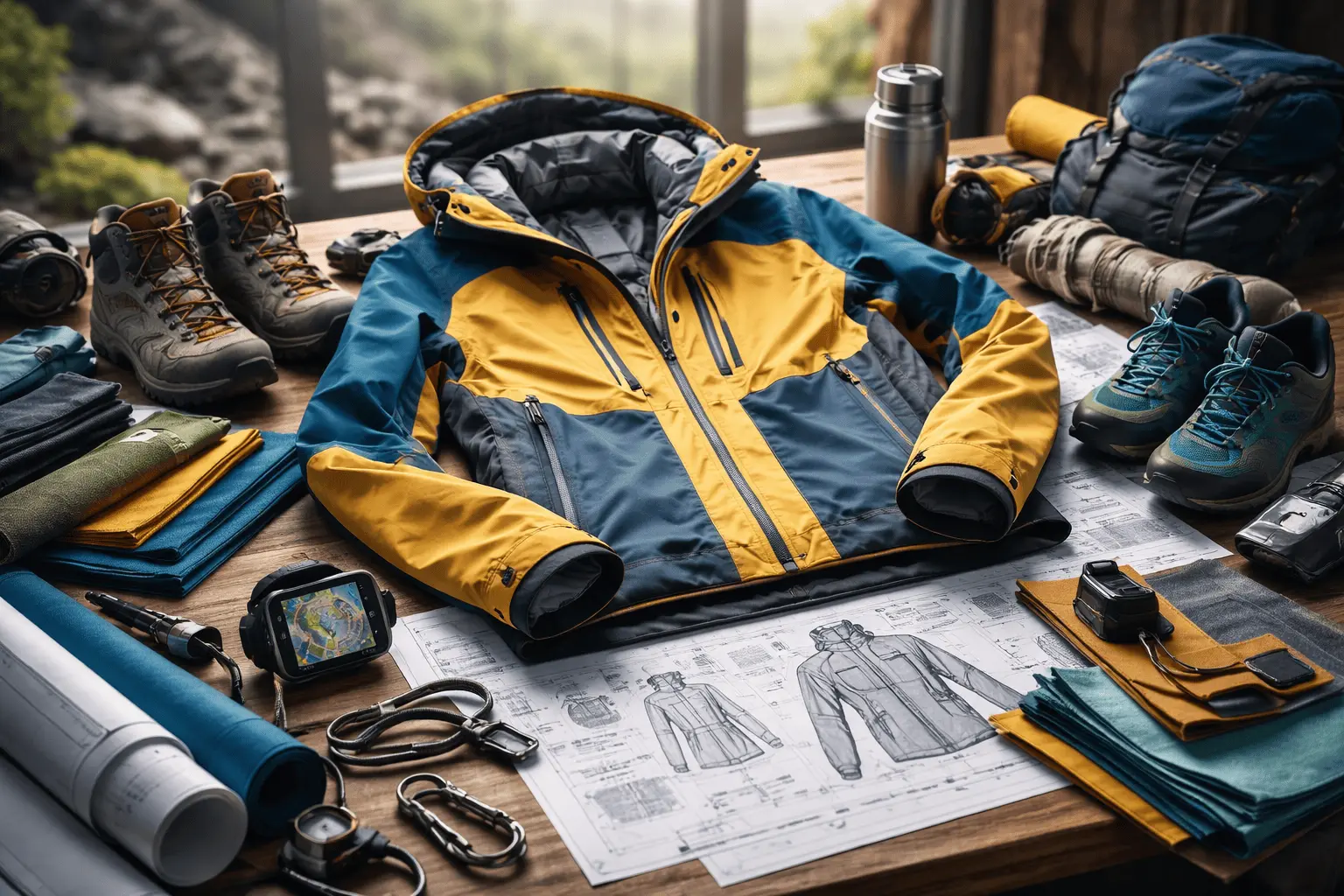
Outdoor and sports PLM helps sports brands manage complex performance products in a fast-moving market. In this guide, you will discover how the right plm strategy improves product management, reduces costs, and supports sustainable growth.
What Is Outdoor and Sports PLM?
Outdoor and sports plm is a specialized Product Lifecycle Management system built for outdoor and sports brands. It works as one connected platform that unites product data, sourcing, testing, compliance, and production in one platform.
As of 2026, plm systems act as command centers for managing high-performance gear alongside fast-moving fashion trends. Industry leaders like On, Gymshark, KEEN, and Deuter use plm to manage complexity, ensure quality standards, and accelerate innovation.
Unlike generic systems, outdoor and sports plm supports:
- Technical materials and layered components
- Advanced testing workflows and test results
- Compliance and safety requirements
- Sustainability reporting and certifications
- Collaboration across every team and partner
It creates a single source of truth for data across development, production, and distribution.

Why the Outdoor and Sports Market Demands Specialized PLM
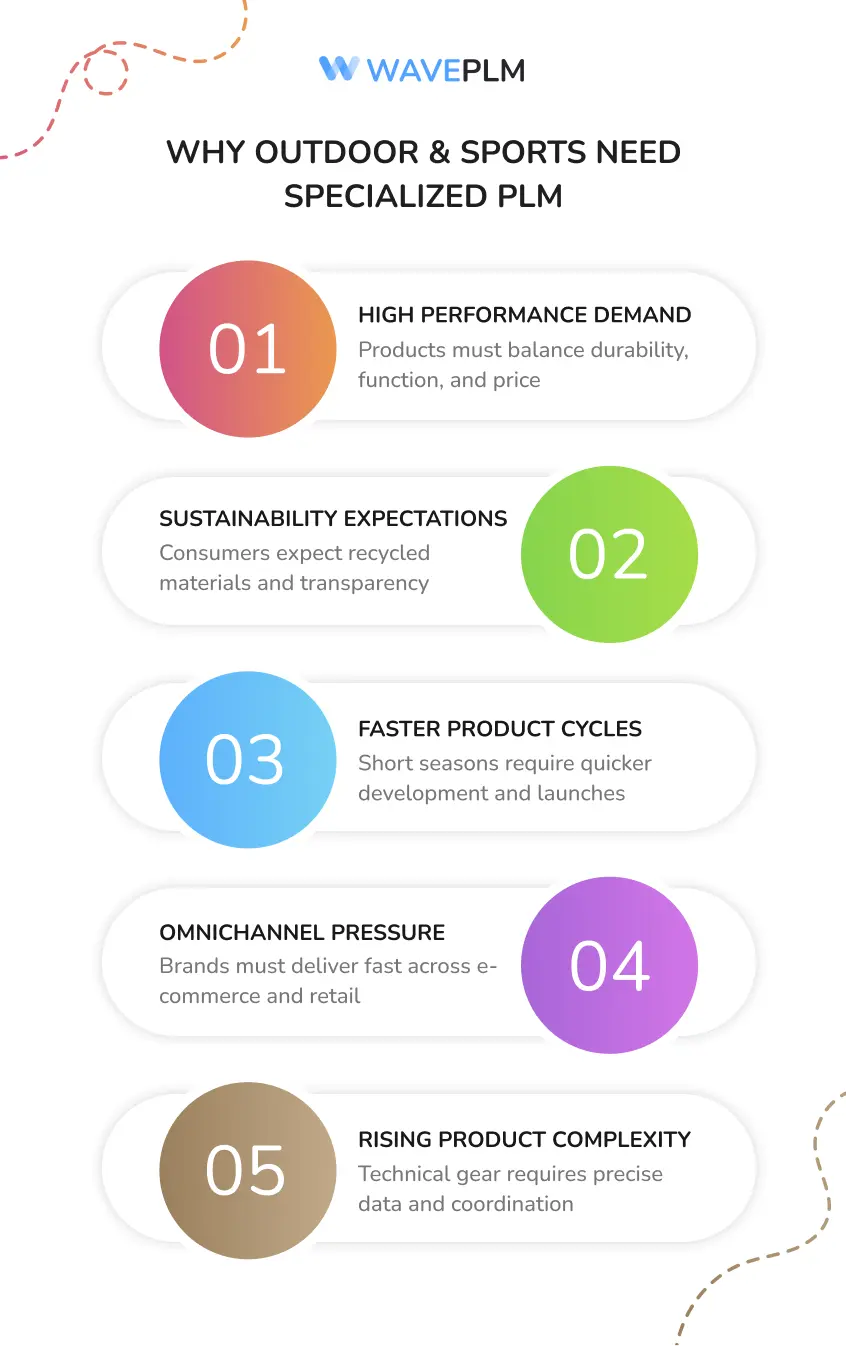
The outdoor and sports market grows rapidly. More consumers embrace fitness, outdoor lifestyle, and multifunctional apparel. This shift increases demand for durable gear, innovative footwear, and sustainable materials.
Consumers now expect brands to deliver:
- High performance at an affordable price
- Sustainable and recycled content
- Transparency and compliance
- Fast delivery through e commerce and retail
The market also changes quickly. Seasonal peaks and short trend cycles push brands to develop new products faster. Teams must respond to demand without increasing costs or risking quality.
Effective product management becomes essential in this environment. Without structured plm systems, companies struggle to scale operations and protect profitability.
Why Performance Apparel Is More Complex Than Basic Fashion
Outdoor apparel and sports gear must perform in extreme conditions. Designers select materials that resist water, regulate temperature, and improve mobility. Developers test every layer to meet strict quality standards.
A basic fashion item uses limited components. A technical jacket includes several components such as membranes, insulation, seam tape, and trims. Each layer affects performance, price, and production.
Sports brands must track:
- Waterproof ratings
- Breathability scores
- Durability and abrasion testing
- Safety requirements
- Supplier certifications
Teams cannot manage this level of data in disconnected systems. They need one connected platform that supports visibility and collaboration.

Core Challenges Sports Brands Face
1. Managing Technical Materials and Sourcing
Outdoor brands rely on advanced materials and sustainable alternatives. Many consumers prefer sustainable gear made from recycled content. Sustainability is now a core driver in the outdoor market.
Teams must track certifications, supplier compliance, and sourcing costs. They must also determine the right price based on production costs, brand positioning, and target market.
Outdoor and sports plm allows brands to:
- Track materials and certifications
- Analyze sourcing options
- Identify cost drivers
- Ensure compliant documentation
This structure protects quality and supports profitability.
2. Testing and Performance Validation
Testing defines success in sports and outdoor development. Brands conduct lab testing and field testing to ensure gear performs under pressure.
Without structured systems, test results stay in emails or spreadsheets. Teams lose visibility and delay decisions.
A strong plm setup helps teams:
- Track testing milestones
- Store test results in product records
- Connect feedback to design updates
- Maintain quality standards
This process reduces errors and supports innovation.
3. Compliance and Sustainability
Many sportswear companies are now focusing on developing eco-friendly products that are high-performing and durable. Sustainability is a core driver for consumers and regulators in the outdoor industry as of 2026.
And consumers care about sustainability and authenticity. Consumers are increasingly aware of the impact of their choices on the planet. Regulators demand compliance and transparency. Brands must focus on ensuring compliance across global production. Sustainability initiatives in product development can improve traceability and reduce waste.
Outdoor and sports brands must:
- Track chemical compliance
- Monitor recycled content claims
- Manage certifications
- Support sustainability reporting
A centralized plm system helps teams remain compliant and responsive to market expectations.

How Product Complexity Impacts Costs and Profitability
Complex performance products increase production costs. Teams must analyze materials, manufacturing steps, and distribution expenses carefully.
If brands fail to track data accurately, they risk setting the wrong price. They may lose sales or reduce profitability.
Outdoor and sports plm improves visibility across:
- Development costs
- Production timelines
- Sourcing decisions
- Merchandising strategies
With better data, brands identify inefficiencies and protect growth.
Why Traditional Systems Fall Short
The outdoor industry requires rapid innovation due to short trend cycles and seasonal peaks. The sportswear market is rapidly growing as more people embrace a fitness-oriented lifestyle. Effective product management is critical to success in the sportswear market.
Many companies use several options for managing data. They combine spreadsheets, emails, and legacy systems. This approach creates silos.
Disconnected systems reduce collaboration and slow development. Teams duplicate data. Suppliers miss updates. Production errors increase.
Modern outdoor and sports plm connects with ERP, 3D CAD, and e commerce systems. It creates one platform for design, sourcing, compliance, and operations. This way, collaboration tools can enhance communication among teams involved in outdoor and sports product development.
Vendor collaboration through secure portals reduces miscommunication. Real-time collaboration accelerates decision-making. Effective collaboration tools help streamline workflows and reduce errors in product development.
Real-time collaboration is essential for accelerating decision-making in outdoor and sports product development. A unified platform for collaboration can help teams manage complex product specifications and requirements more effectively. Using collaborative tools can lead to faster time-to-market for outdoor and sports products.
Key Features Sports Brands Should Look For
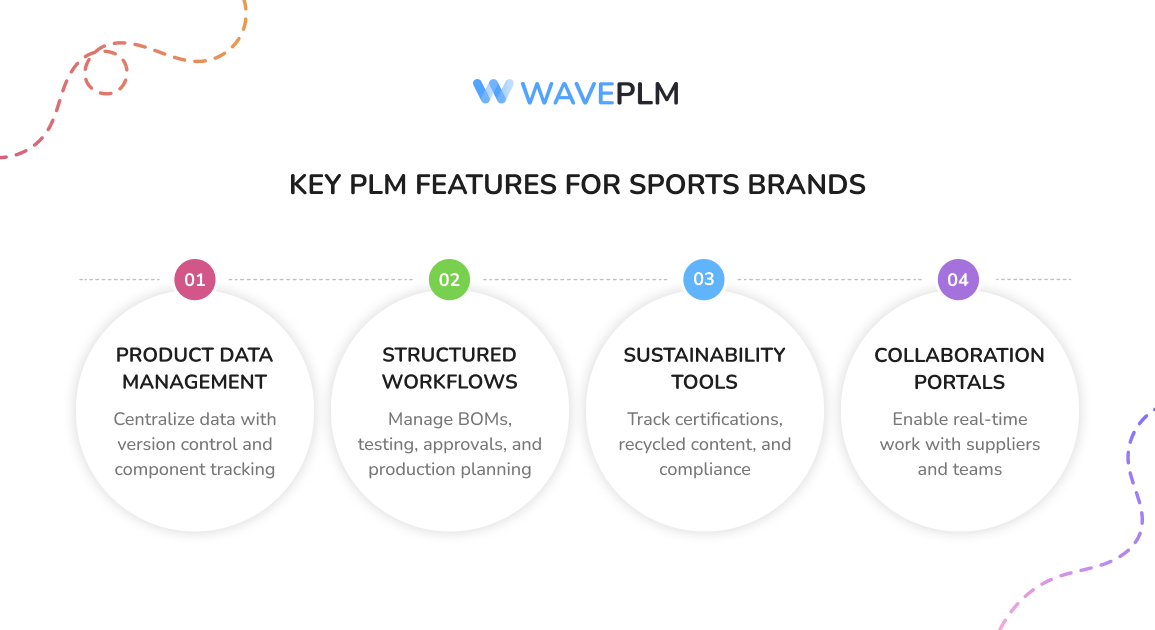
When evaluating plm solutions, brands should focus on essential capabilities.
Advanced Product Data Management
- Centralized product data
- Version control for styles and collections
- Clear tracking of components
- Single source visibility
Structured Development and Production Workflows
Effective product line management involves understanding your target audience and their needs. Designing with the user in mind ensures that outdoor and sports products meet customer needs, preferences, and trends while maintaining technical performance.
- Layered BOM management
- Testing documentation
- Approval tracking
- Integrated production planning
Sustainability and Compliance Tools
- Certification tracking
- Recycled content monitoring
- Compliance dashboards
- Reporting tools for regulators and consumers
Collaboration and Partner Portals
- Secure supplier access
- Real-time collaboration
- Shared feedback loops
- Clear accountability across the team
These features help sports brands create innovative and compliant products faster.
Best Practices for PLM in Outdoor and Sports Brands
Implementing a PLM system is only the first step — maximizing its value requires a strategic approach tailored to the unique demands of sports brands and the outdoor lifestyle market. A deep understanding of consumer preferences and market trends is essential for effective product management and long-term success.
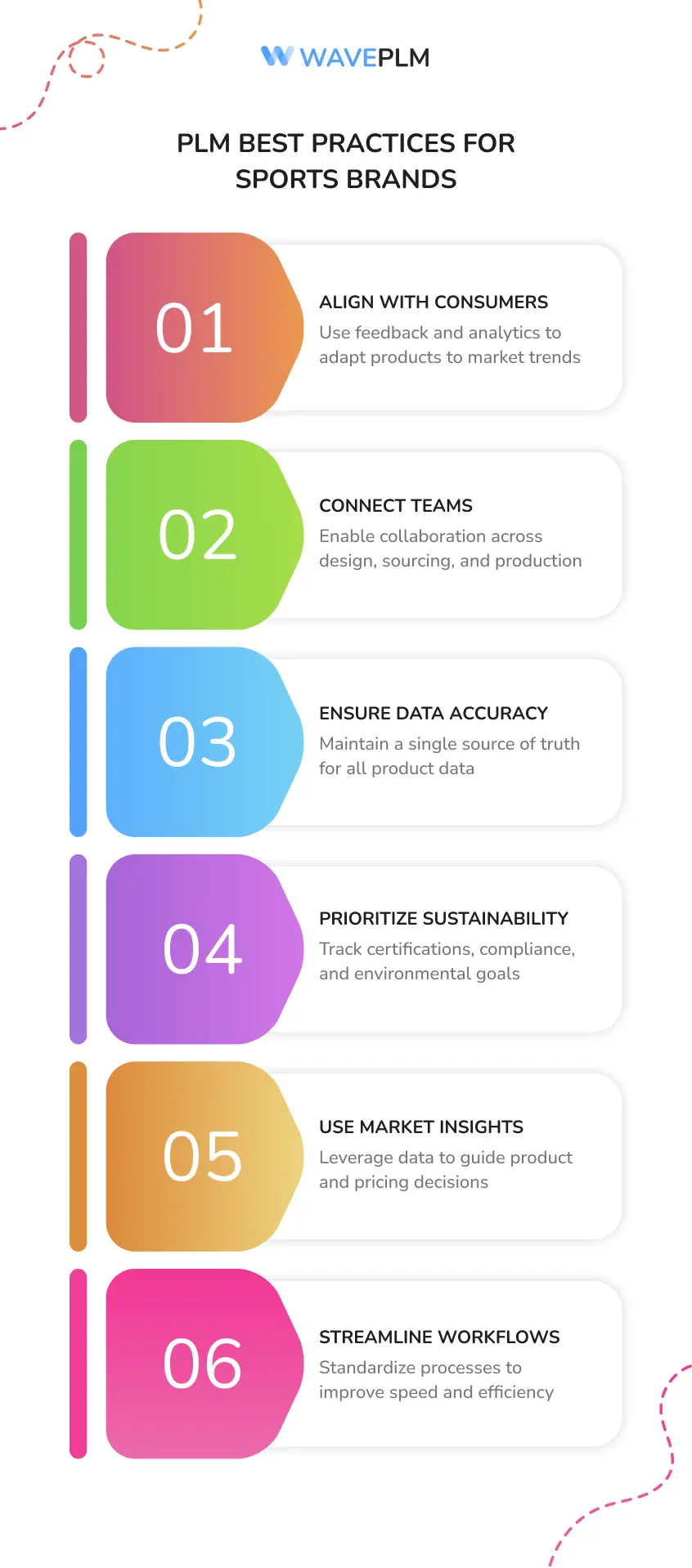
Here are some best practices for leveraging PLM in outdoor and sports brands:
- Align PLM with Consumer Preferences: Continuously gather feedback from your target market to ensure your product data and development workflows reflect evolving outdoor and sports trends. Use PLM analytics to identify shifts in demand and adapt collections accordingly.
- Integrate Cross-Functional Teams: Foster collaboration between designers, sourcing, production, and merchandising teams within one connected platform. This ensures that every stakeholder has visibility into product data and can contribute to innovation and quality.
- Prioritize Data Accuracy and Visibility: Maintain a single source of truth for all product information, from materials to test results. Accurate, real-time data supports better decision-making and helps brands respond quickly to market changes.
- Focus on Sustainability and Compliance: Use PLM tools to track recycled content, certifications, and compliance with safety requirements. Regularly update sustainability goals and ensure all team members understand their role in achieving them.
- Leverage Market Insights: Analyze sales data, consumer feedback, and outdoor lifestyle trends within your PLM system to identify new opportunities for growth. Adjust product lines and pricing strategies based on real-time market intelligence.
- Streamline Product Management Workflows: Standardize processes for development, testing, and approvals to reduce errors and accelerate time-to-market. Use PLM to automate routine tasks and free up teams to focus on innovation.
By following these best practices, sports brands can ensure their PLM system supports not just operational efficiency, but also strategic growth and a deep connection with the outdoor market and its consumers.
Product Line Strategy and Market Growth
Successful brands analyze consumer preferences and market trends to develop competitive collections. They study buying behavior, demand shifts, and outdoor lifestyle trends.
A strong product line strategy helps brands:
- Identify growth opportunities
- Develop diversified collections
- Balance performance and price
- Increase sales across channels
Effective product management supports long-term growth and success in the sports market.
How Wave PLM Supports Outdoor and Sports Brands
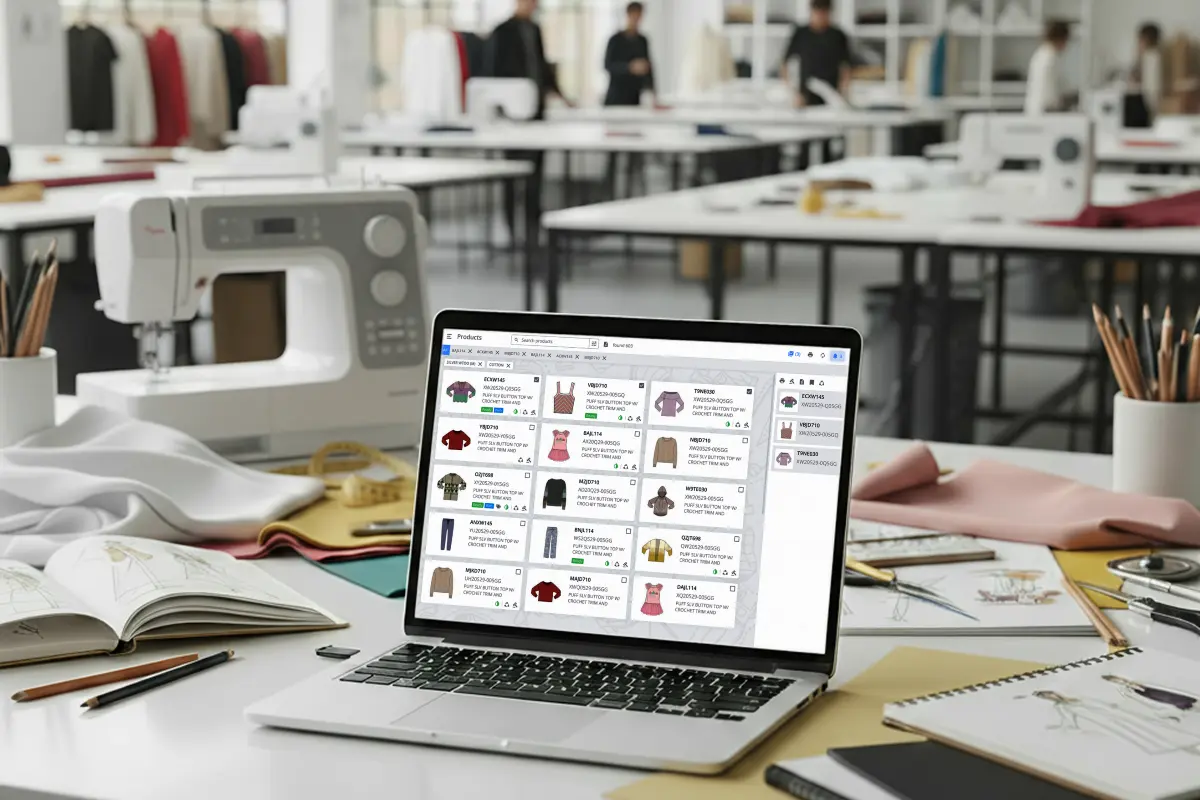
Wave PLM provides one connected platform built for outdoor and sports brands. It supports complex development, advanced testing, and strict compliance requirements.
Wave PLM helps teams:
- Track materials and sourcing decisions
- Manage production workflows
- Ensure quality standards
- Support sustainability initiatives
- Connect design, merchandising, and operations
With one platform, every team member gains visibility into product data and performance metrics. Brands reduce costs, accelerate development, and improve collaboration with every partner.
Wave PLM enables innovation while protecting quality and compliance. It empowers brands to respond to market demand, launch new products confidently, and scale production efficiently.
Conclusion: The First Step Toward Scalable Innovation
Outdoor and sports brands operate in a competitive and fast-changing market. Consumers expect sustainable, high-performance gear at the right price. They demand transparency, quality, and authenticity.
Outdoor and sports plm gives brands the deep understanding and structure they need to perform at the highest level. It connects systems, teams, and data in one connected platform. It strengthens collaboration, supports sustainability, and improves profitability.
If your brand wants to innovate faster, reduce costs, and meet evolving market demand, adopting the right plm system is the first step toward long-term growth and success.





Leave a Reply