
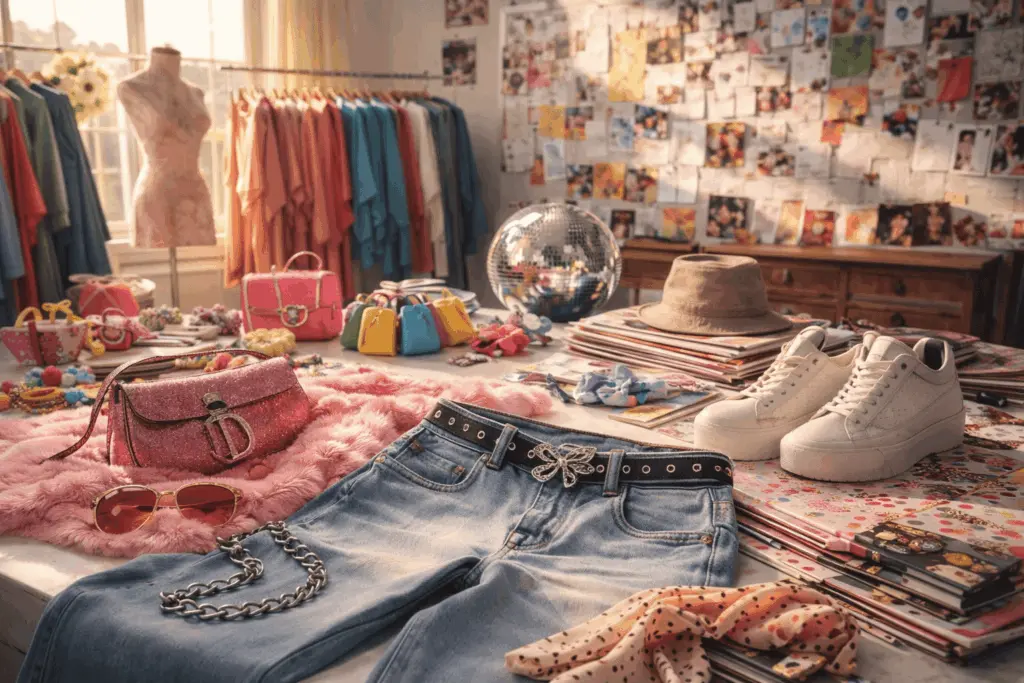
Fashion never really says goodbye. It pauses, waits, and returns when the moment feels right. If you have ever wondered why low rise jeans, micro bags, or oversized blazers suddenly appear again, the answer lies in the fashion trend cycle.
Fashion is a cycle that repeats through time. Styles rise, peak, fall, and rest before they return with a modern twist. This cyclical nature explains why fashion trends feel familiar even when they look new. Understanding the fashion cycle helps fashion brands, designers, and consumers make better fashion choices.
This guide breaks down the fashion trend cycle in a clear and human way. It explains why trends rise and fall, how social media changes speed, and how the fashion industry uses data to revive past trends.
What Is a Trend Cycle in Fashion?
A trend cycle describes the full life cycle of a trend. Every trend follows five stages. These five stages shape the fashion life cycle and guide how trends move through the market.
The trend’s life cycle starts with the introduction. Designers present a new style during fashion week or fashion shows. Edgy consumers and fashion influencers notice it first. Trend forecasters track early signals and report them to fashion brands.
Next comes the increase stage. More consumers adopt the particular style. Popularity grows through celebrities, social media, and retail stores. The trend reaches the peak stage when most major retailers carry it.
After peak stage, decline begins. Market oversaturation causes fatigue. Fast fashion brands flood the market at lower prices. The trend loses exclusivity and excitement. The decline stage leads to the obsolescence stage, also called the final stage.
This rise and fall define the fashion cycle of trends.
The Five Stages of the Fashion Trend Cycle
| Stage | What Happens |
|---|---|
| Introduction stage | Designers introduce a new trend in small quantities |
| Increase stage | Popularity grows and more consumers adopt it |
| Peak stage | Mass production and mainstream popularity |
| Decline stage | Market oversaturation reduces demand |
| Obsolescence stage | The trend fades and rests |
These five stages explain why fashion is a cycle, not a straight line.
Why Trends Never Truly Disappear
Trends fade, but they rarely disappear forever. Fashion stores memory. Past trends remain in archives, closets, and culture. When time passes, judgment fades and curiosity returns.
Fashion trends connect deeply to emotion. A certain pattern, fabric, or silhouette can trigger memories of music, youth, or freedom. When a trend returns, it feels comforting and exciting at the same time.
Not all new trends feel new. Many come from past trends that once reached peak decline and obsolescence. Fashion designers revisit them when style evolves and consumer types change.
Fashion is a cycle because taste changes slowly. Distance creates desire. That desire restarts the life cycle.
The Role of Nostalgia and Culture in Fashion Cycles
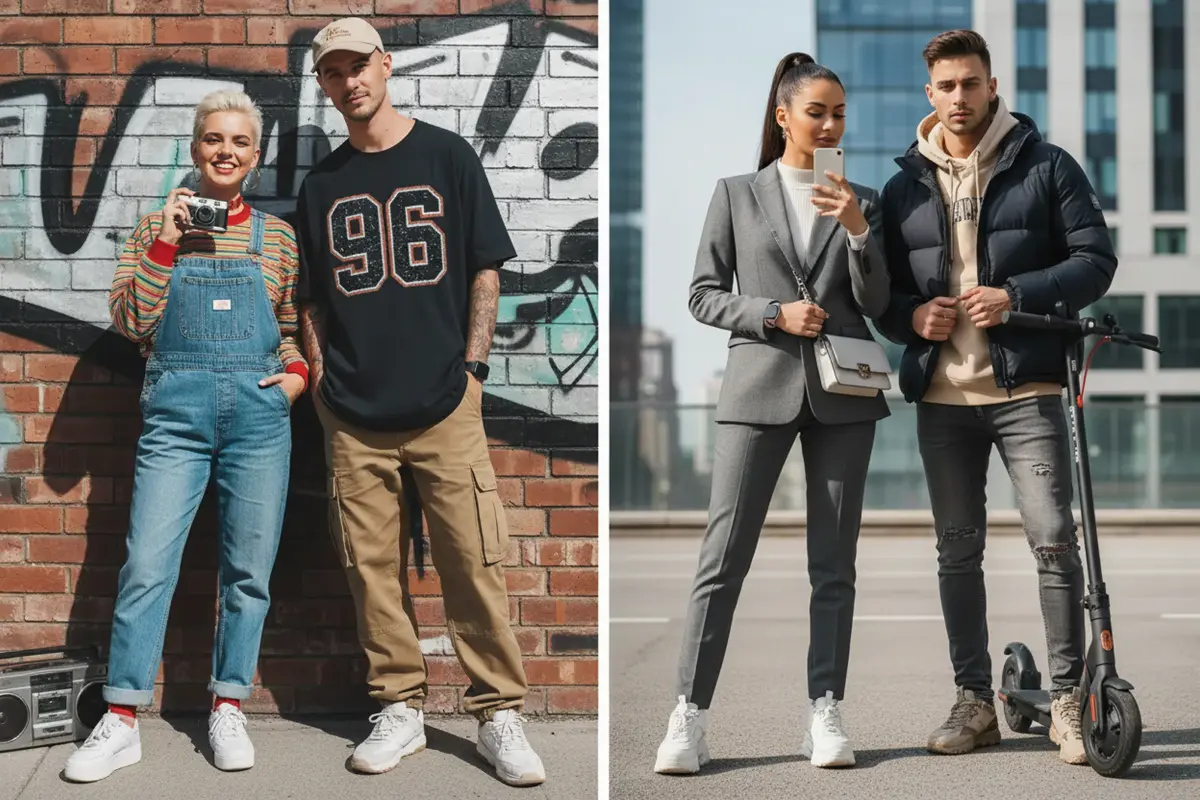
Nostalgia fuels the fashion cycle. During uncertain times, consumers look backward for comfort. Culture plays a major role in which trends rise again.
Movies, music tours, and anniversaries often restart fashion trends. Celebrities revive popular styles on red carpets and social media. A single show can push a trend from obscurity to mainstream popularity.
Luxury brands tend to revive trends carefully. Most luxury brands reintroduce styles with refined materials and longer carry. Fast fashion focuses on speed instead.
Grassroots styles and diy fashion also influence revivals. Street culture often pushes trends upward before major brands notice them.
How Social Media Accelerates Trend Cycles
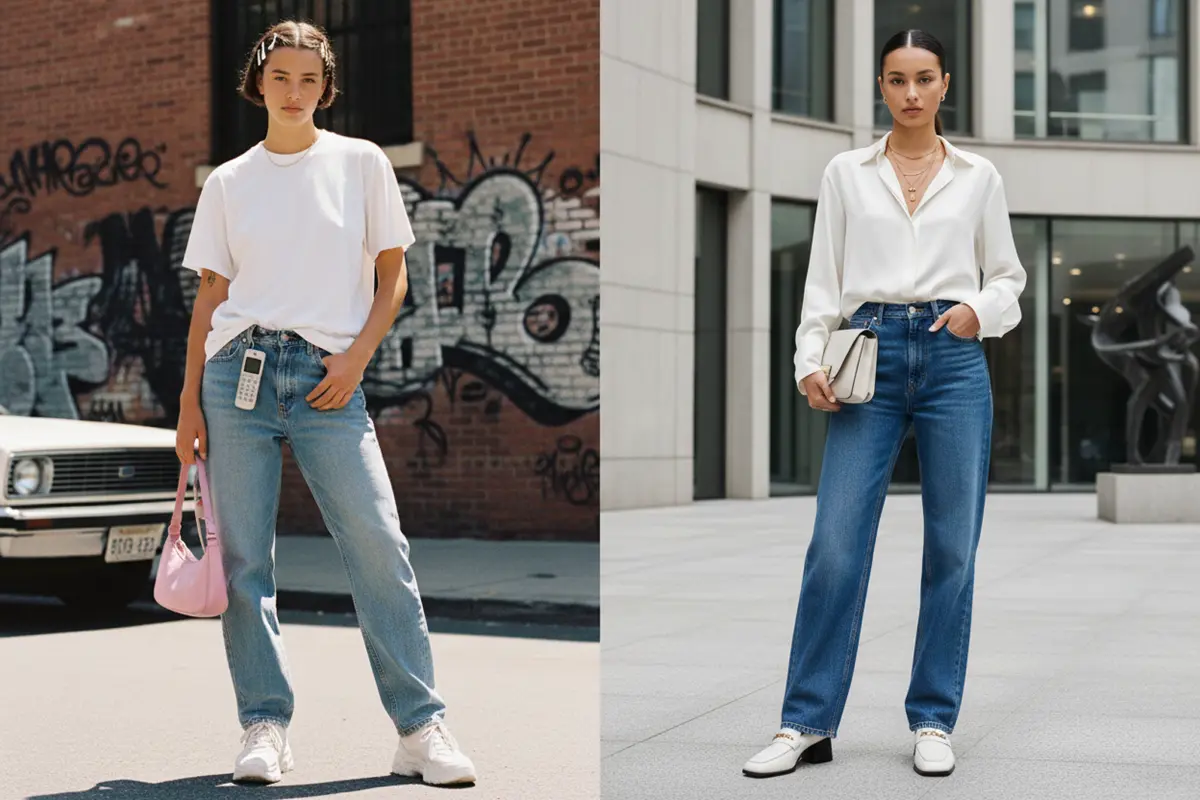
Social media changed the trend cycle forever. Platforms compress the life cycle of fashion trends. Trends rise faster and fall faster. TikTok, Instagram, and Pinterest spread new trends globally in days. Fashion influencers and celebrities amplify them instantly. Consumers copy looks within hours. Trends today can originate from a multitude of sources, including celebrities, influencers, and social media.
Fast-fashion brands can quickly replicate trends, making them widely accessible at lower price points. And these brands react quickly. They move designs into mass production at lower prices. Market oversaturation happens sooner. Decline follows faster.
This constant state of exposure shortens the fashion life cycle. A trend from two years ago can already feel outdated.
Examples of Revived Fashion Trends
Many current fashion trends come from earlier decades. Designers rarely invent from nothing. They reshape past trends with a modern twist.
Fashion Trend Revival Examples
| Original Era | Trend | Why It Returned |
| 2000s | Low rise jeans | Y2K nostalgia and celebrity influence |
| 2010s | Micro bags | Social media visibility and novelty |
| 1980s | Oversized blazers | Gender-neutral tailoring |
| 1990s | Slip dresses | Minimalism and versatility |
These examples show how fashion cycles repeat while style evolves.
Short-Cycle vs Long-Cycle Trends
Not all trends follow the same trend cycle. Some trends burn fast. Others last decades.
Short-cycle trends rely on novelty and social media buzz. They often appeal to edgy consumers and younger audiences. These trends reach peak stage quickly and enter decline just as fast.
Long-cycle trends offer long term appeal. Denim fits, tailoring shapes, and footwear silhouettes fall into this category. Luxury brands focus more on these trends.
| Trend Type | Duration | Market Risk |
| Short-cycle | Months | High |
| Long-cycle | Years | Lower |
Understanding cycle length helps fashion brands plan new collections with confidence.
How Brands Decide When to Revive a Trend
Fashion brands rely on data, instinct, and culture. Trend forecasters analyze consumer behavior and market signals. Media strategists watch social media closely.
A revival works best when consumers rediscover a style organically. Most major retailers test trends in small quantities before mass production.
Luxury brands tend to move slower. They wait for cultural alignment and strong storytelling. Fast fashion focuses on speed and volume.
Timing determines success within the trend’s life cycle.
How Product Data and Past Collections Influence Trend Decisions
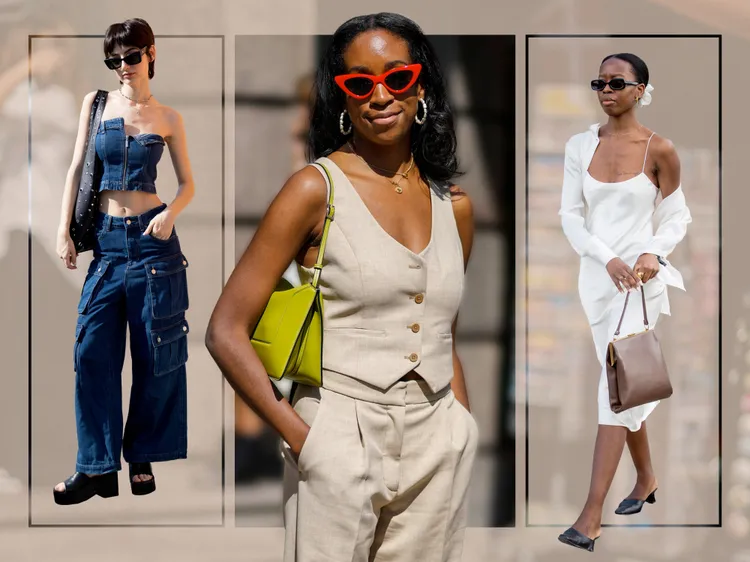
Past collections guide future success. Historical data reveals which styles reached peak stage and which failed early.
Fashion brands study pricing, materials, and silhouettes from previous fashion cycles. Textile manufacturers and outside parties also contribute insights.
Design and merchandising technologies support better forecasting. Merchandising technologies help teams analyze trends rise, decline, and fall across seasons.
Data removes guesswork from the fashion industry.
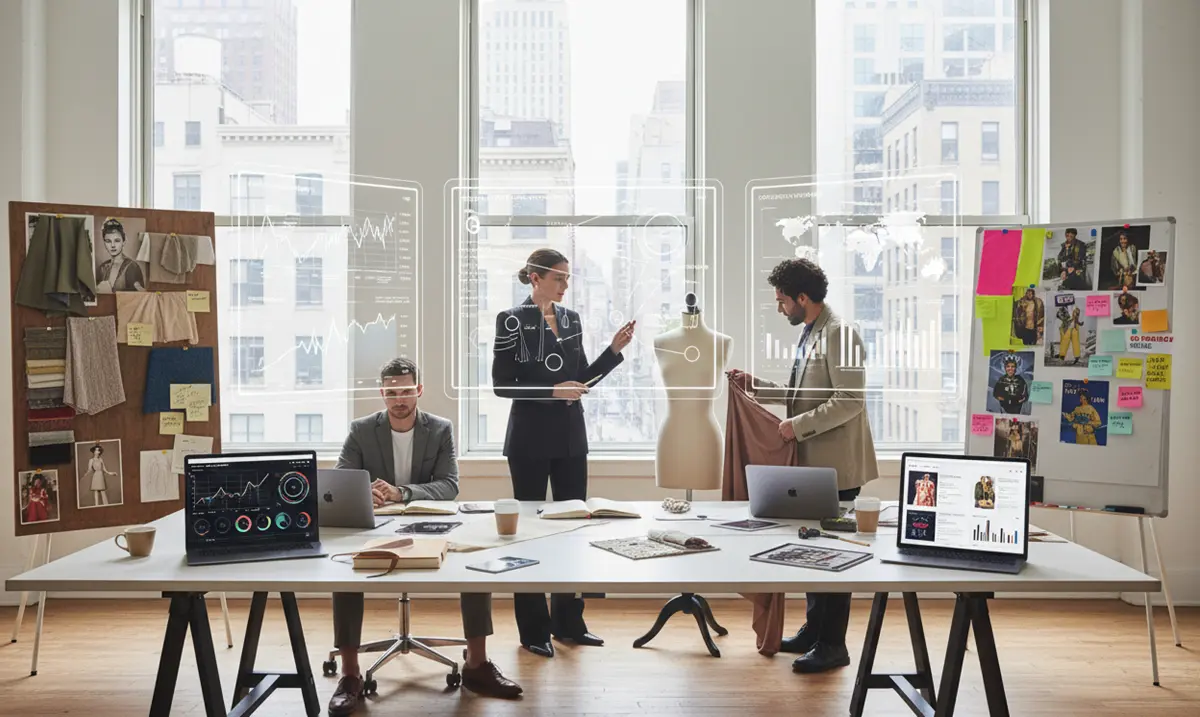
How PLM Helps Brands Reuse Data From Past Trend Cycles
PLM systems enable smarter trend decisions by centralizing design history, specifications, and material data in one unified platform. Product Lifecycle Management transforms scattered information into a reliable foundation for innovation.
Wave PLM empowers fashion brands to reuse past data efficiently. Designers can revisit previous styles, refine them with modern updates, and bring new collections to market faster.
By strengthening collaboration between designers, merchandising teams, and retail partners, PLM streamlines workflows and reduces misalignment. This efficiency minimizes waste and supports more sustainable practices.
Fashion may follow a cycle, but with the right technology, brands can manage every stage of the product life cycle with greater clarity and control.
Fashion Cycle FAQs
What is the 20 year fashion cycle?
The 20 year fashion cycle suggests trends return after two decades. This gap creates emotional distance and renewed curiosity.
What is the 3 3 3 rule for fashion?
The 3 3 3 rule focuses on styling three tops, three bottoms, and three shoes to create multiple outfits.
What is the 7 rule in fashion?
The 7 rule encourages investing in seven core wardrobe items that mix easily.
What are the 4 fashion weeks?
The four major fashion weeks take place in New York, London, Milan, and Paris.
Conclusion
The fashion trend cycle reveals how styles emerge, reach their peak, fade away, and eventually return. Fashion is more than clothing — it is a mirror of culture, emotion, and the spirit of its time.
Today, social media accelerates this cycle, while data transforms intuition into insight. PLM tools bridge past and future, turning historical patterns into strategic advantage.
Fashion may be cyclical, but brands that truly understand the cycle gain control. They anticipate trends, reduce waste, and remain relevant in an ever-evolving market.


Leave a Reply