
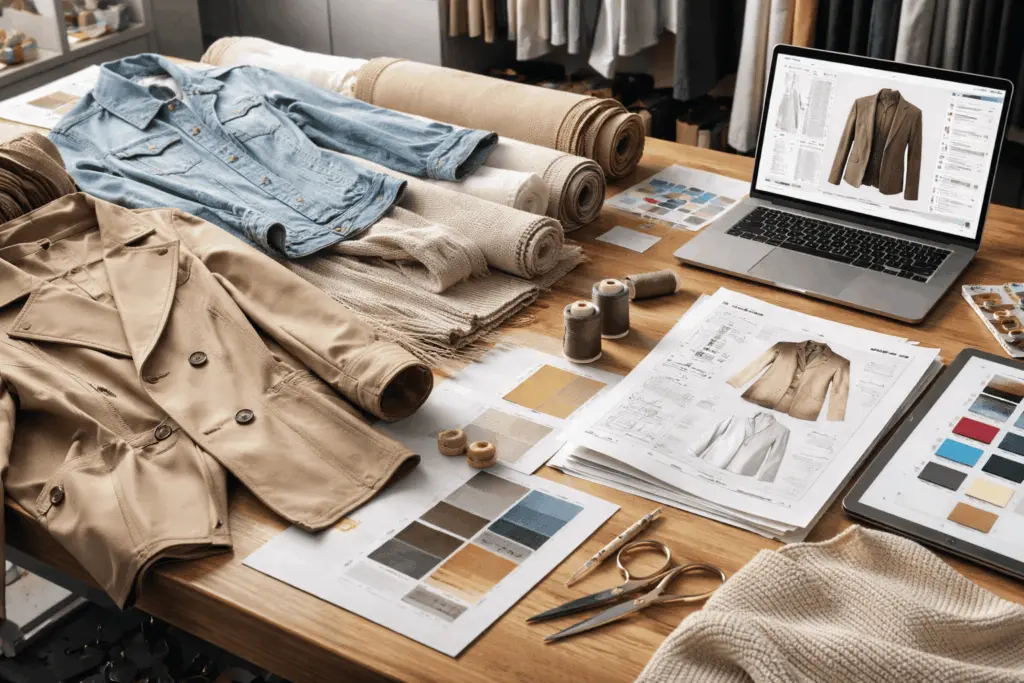
The fashion industry continues to evolve. Digital design tools improve every year. Virtual sampling speeds up approvals. Still, sample apparel remains a critical part of modern clothing development.
Many brands now ask the same questions. Can we reduce physical clothing samples? Can digital garment simulations replace every sample? How do we control bulk production without increasing cost, time, or waste?
This practical guide explains why a sample of clothes still plays a strategic role. It also shows how to build a modern fashion sampling strategy that combines virtual sampling and physical validation inside a structured PLM workflow.
If your brand wants to reduce risk, improve fit, and protect quality before bulk production, this guide will help.
Understanding the Role of Sample Apparel in Modern Clothing Development
Before diving deeper, let’s define the core concept.
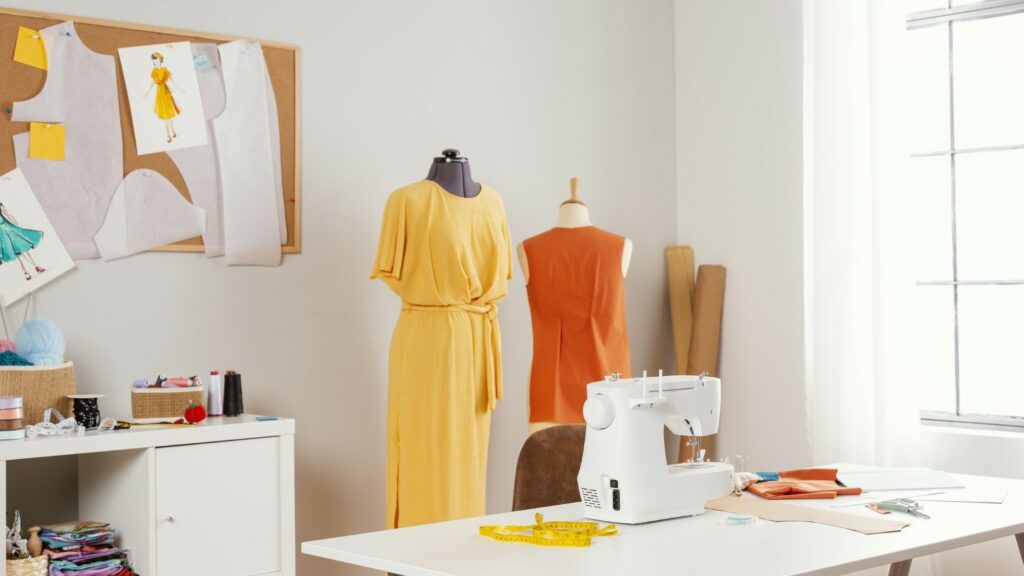
Sample apparel refers to garments created during the sampling stage of product development. Creating a ‘house’ or foundational garment during this process is essential, as it establishes a strong base for developing high-quality, reusable pieces. These clothing samples help teams test design, pattern accuracy, fabrics, fit, and construction before bulk production begins.
In simple terms, every sample acts as a checkpoint.
Without the right sample at the right time, a brand risks producing defective products at scale. That mistake affects price, delivery time, and customer trust.
Building a thorough sampling strategy is a great way to ensure high-quality results. Although virtual sampling reduces physical waste, clothing samples still protect the life of a collection. They ensure the final garment matches the original concept and tech pack.
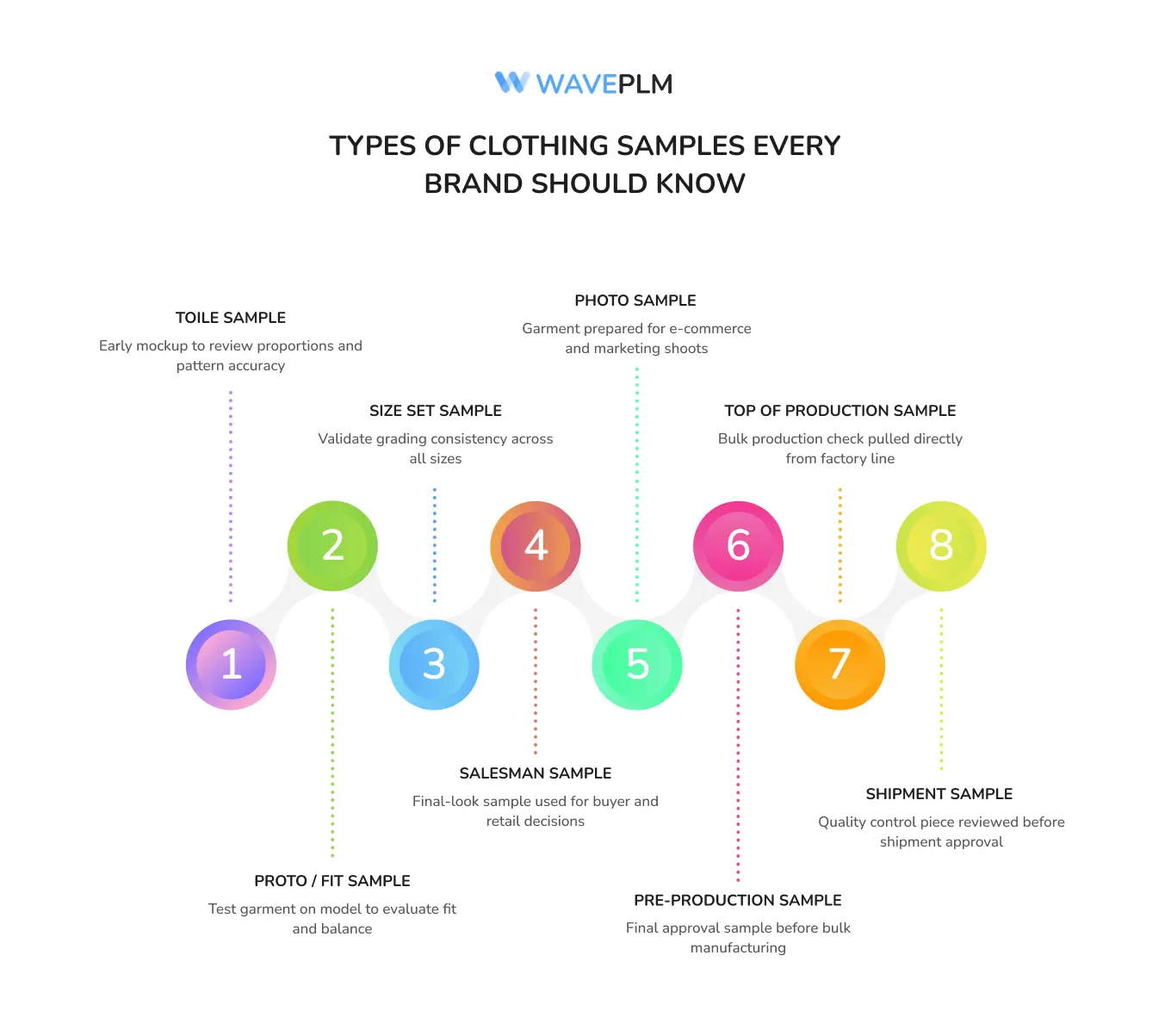
Types of Clothing Samples Every Brand Should Know
A strong fashion sampling strategy requires clarity. Different sample types serve different goals. Brands can pick the sample type that best fits their needs at each stage, as each type offers a chance to review design and quality before moving forward.
Here is a structured guide to the main clothing samples used in the industry.
1. Toile Sample
The Toile is a quick mockup created from basic fabrics. Teams use this sample to double check the pattern and early fit points.
At this step, designers focus on proportions and overall style. They do not review final trims or bulk fabrics.
2. Proto or Fit Sample
The Proto, also referred to as the Fit Sample, tests the garment on a fit model. Teams evaluate fit, movement, and balance.
This sampling stage helps ensure proper sizing and comfort. It also helps confirm that the tech pack communicates the design clearly.
If the fit fails, developers update measurements in the tech pack before the next sample.
3. Size Set Samples
Brands create Size Set Samples to check grading across different sizes. This step ensures consistency in fit from small to large sizes.
Without size validation, clothing may look perfect in one size but fail in others.
4. Salesman Samples
Salesman Samples support buying and retail decisions. They must use bulk fabrics and trims because buyers evaluate the final look.
Retail partners often use these pieces to test the market before a drop. They assess price sensitivity and potential order volume.
5. Photo Samples
Photo samples support e-commerce and marketing campaigns. Brands use these garments for product shoots and digital promotion.
Today, some brands combine photo samples with virtual sampling. They may create digital renders in photoshop to test filters before physical photography.
6. Pre-Production Sample
The Pre-production sample represents the last checkpoint before bulk production.
This sample must match the approved tech pack exactly. Teams review construction, fabrics, weight, trims, and final fit.
Once approved, factories move to bulk.
7. Top of Production Sample
Factories pull Top of Production samples directly from bulk production. This step ensures the garments match the approved sample.
8. Shipment Sample
The QC department checks Shipment samples before approving the bulk lot for shipment.
Each sample in this process protects the brand’s quality and reputation.
Why Sample Apparel Still Matters in the Age of Virtual Sampling
Virtual sampling has transformed the clothing industry. Designers now create digital garment simulations to test color, pattern, and silhouette.
However, digital models cannot fully replace physical clothing samples. Physical samples are essential to ensure the final garment matches what the designer wanted in terms of design, fit, and overall quality. Proper work processes during sampling and production are also crucial for achieving high-quality garments.
Here’s why.
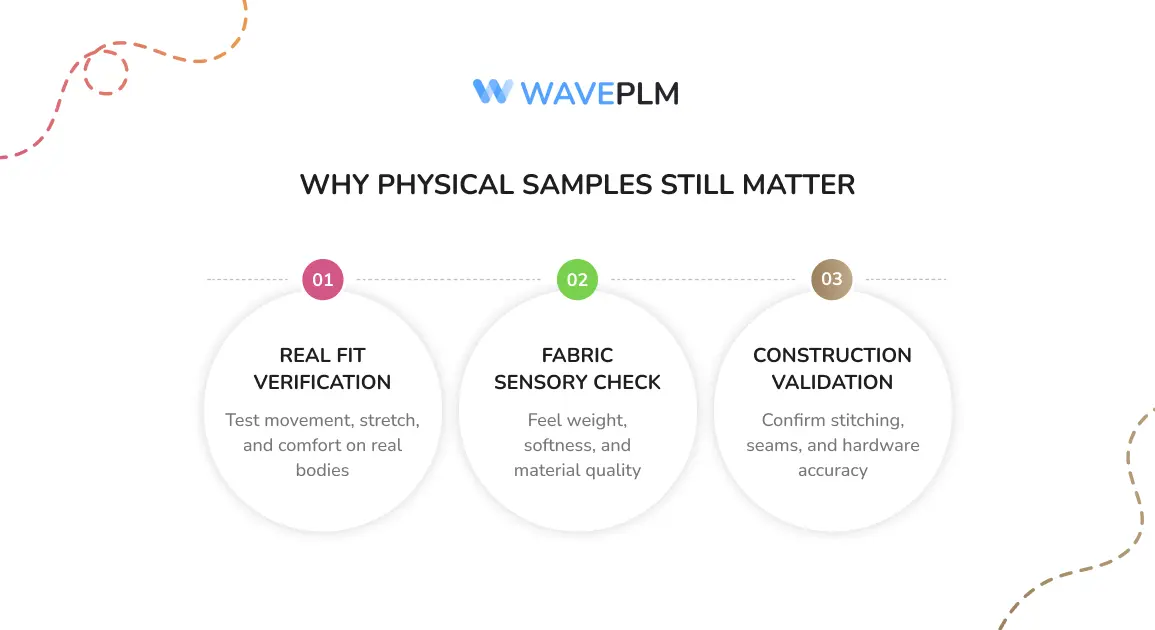
1. Fit Verification Requires Real Testing
Fit remains one of the biggest risk areas in clothing production.
A digital avatar cannot fully replicate real body movement. A physical sample allows teams to check stretch, drape, seam tension, and comfort.
Fit samples test the garment on a model. Teams review how the garment moves during daily life.
If brands skip this step, they risk returns, discount campaigns, and customer complaints.
2. Fabrics Must Be Felt, Not Just Seen
Virtual sampling simulates drape visually. However, teams must feel fabrics to judge softness, thickness, and weight.
Luxury brands especially rely on physical clothing samples to confirm quality.
Fabrics influence price, perception, and overall style. A small change in weight can affect fit and structure.
3. Construction and Quality Validation
Sampling helps manufacturers test construction methods and details of the garment.
Teams check stitch density, seam finish, hardware placement, and overall quality.
This sampling stage prevents defective products from reaching bulk production.
When Virtual Sampling Works Better
Although sample apparel remains important, virtual sampling offers clear advantages.
Early Concept Exploration
Designers can test multiple design ideas quickly. They can change pattern lines, colors, and trims in minutes.
This approach reduces time and material waste.
Faster Stakeholder Alignment
Global teams review digital garments instantly. They comment, filter feedback, and approve changes inside PLM.
No shipping delays. No waiting for a sample to arrive.
Marketing Preparation
Brands can create digital visuals in photoshop and apply filter variations for social campaigns. They test message and aesthetic before physical photography.
This method supports SMS campaigns and online shop previews.
Still, even the best digital sample cannot fully replace a real garment during final validation.
Cost, Time, and Bulk Production Trade-Offs
Every brand must balance cost, time, and risk.
Below is a clear comparison.
| Factor | Heavy Physical Sampling | Virtual-First Sampling |
|---|---|---|
| Development Time | Longer due to shipping | Faster digital reviews |
| Sample Cost | Higher per sample | Lower per digital sample |
| Bulk Risk | Lower after validation | Higher without physical checks |
| Fabric Waste | More fabrics used | Reduced material waste |
| Fit Accuracy | High tactile accuracy | Limited to digital simulation |
Sampling can lead to more accurate costings from suppliers by determining fabric and thread consumption. Additionally, the sampling process can influence the turn of production and cost calculations, helping brands quote and price garments more efficiently.
Removing clothing samples completely may reduce short-term cost. However, it may increase bulk risk.
A failed garment in bulk production affects order fulfillment, price adjustments, and even discount strategies.
Step-by-Step Guide to Building a Modern Fashion Sampling Strategy
A structured fashion sampling strategy protects your brand and improves efficiency.
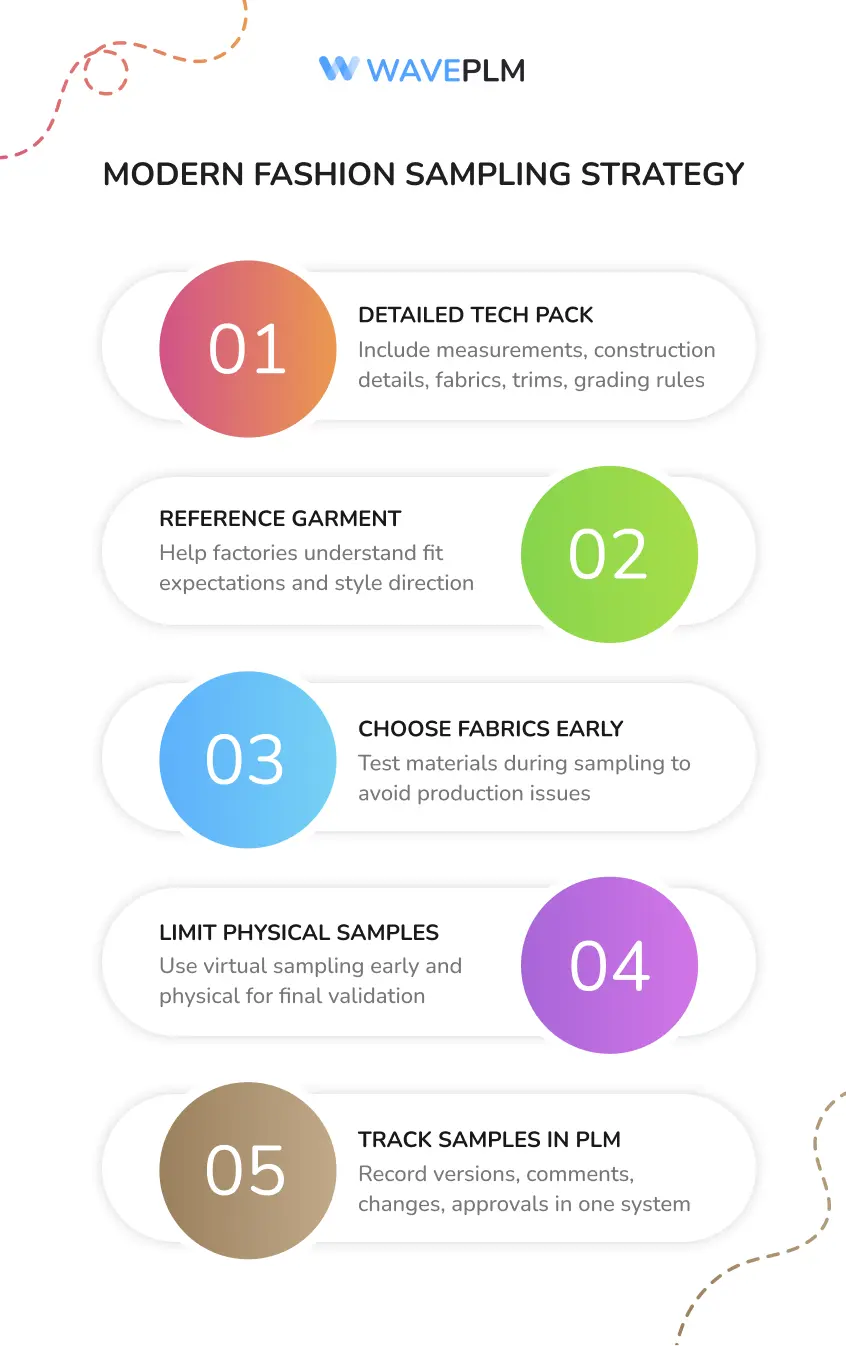
Step 1: Define your sample clothing requirements clearly. Take account of all necessary measurements by providing a complete set of measurements or, ideally, an actual sample garment. Relying solely on measurement charts may not ensure an accurate fit, so detailed information is essential for precision.
Step 2: Communicate your expectations to your manufacturer. Make sure they take account of the specific measurements and reference garments you provide, rather than just using generic charts, to achieve the best possible fit.
Step 1: Create a Detailed Tech Pack
A strong tech pack is the foundation of every successful sample.
It must include measurements, construction details, fabrics, trims, pattern references, and grading rules. Using detailed tech packs is vital for high-quality clothing samples.
Step 2: Provide a Reference Garment
Providing a similar garment helps factories understand fit expectations and style direction.
This reference reduces sampling rounds.
Step 3: Choose the Right Fabrics Early
Choosing the right fabrics affects fit, feel, and final quality.
Test fabrics during early sampling stage to avoid bulk surprises.
Step 4: Limit Physical Samples to Key Validation Points
Use virtual sampling during concept and design refinement.
Then create physical sample apparel only for fit approval and final validation.
Step 5: Track Every Sample in PLM
Track each sample version in a single system.
Record comments, changes, and approvals. This process ensures traceability before bulk production.
How PLM Helps Manage Sample Apparel and Virtual Sampling Together
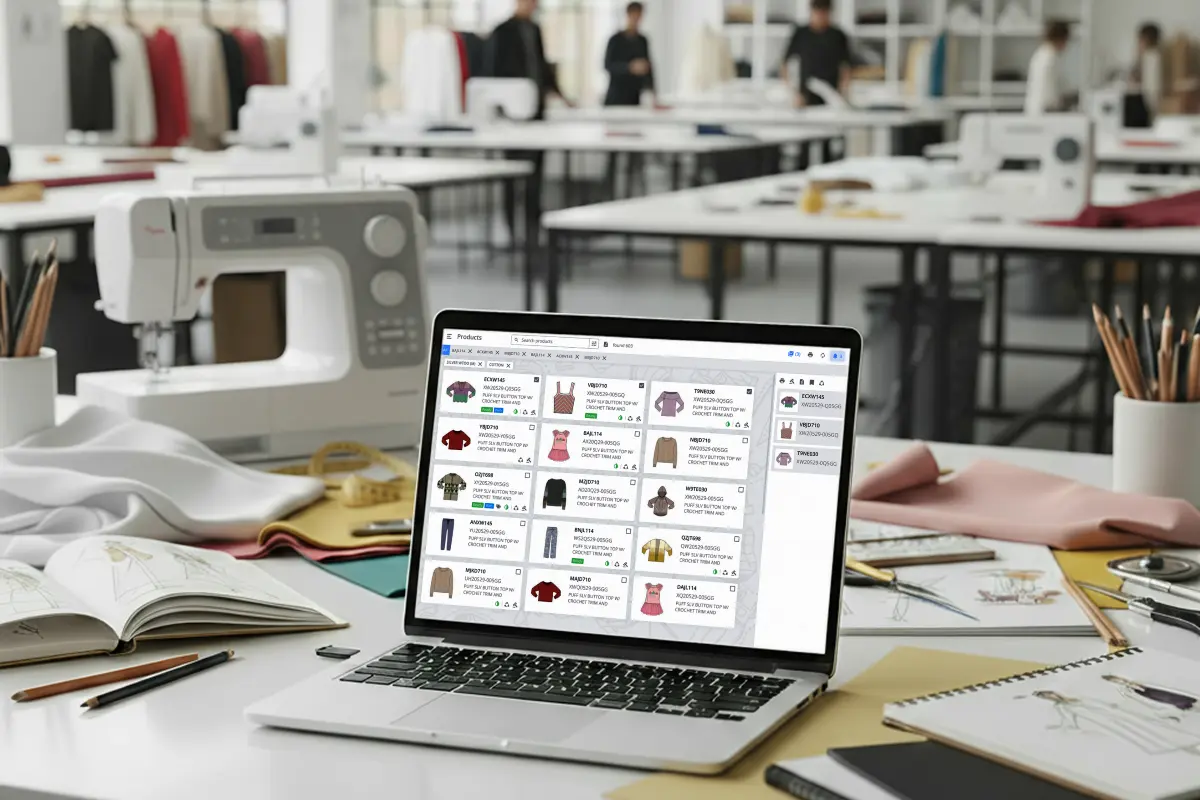
Modern PLM systems allow brands to manage both digital and physical clothing samples efficiently.
Here is how Wave PLM supports the sampling stage:
| PLM Feature | Sampling Benefit |
| Central Style Record | Stores every sample version |
| 3D File Integration | Links digital garment files |
| Tech Pack Control | Maintains updated specifications |
| Sample Tracking | Monitors each sample status |
| Vendor Portal | Shares information instantly |
| Cost Overview | Compares sample and bulk costs |
Wave PLM helps teams check sample progress, filter updates, and ensure alignment across departments.
Custom Clothing, Branding, and Sampling
Custom clothing options add complexity to the sampling stage. Users can add items to their cart and easily customize products before checkout.
Brands may add logos, names, embroidery, or unique trims. Custom clothing options allow users to add unique touches such as logos and names to their apparel.
Users may choose cotton, polyester, or blended fabrics for their custom clothing. Different decoration techniques can be used to personalize custom clothing.
Before accepting large order quantities, brands must test custom sample clothing pieces carefully.
A single overlooked detail can affect bulk consistency.
Sustainability in Sample Production
Sustainability is becoming a cornerstone of modern clothing development, especially during the sampling stage. Brands now recognize that every sample created is an opportunity to reduce environmental impact. By specifying eco-friendly fabrics and sustainable methods in the tech pack, brands can ensure that each sample aligns with their sustainability goals.
Choosing organic cotton, recycled polyester, or other low-impact materials not only improves the environmental profile of the sample but also sets the standard for bulk production. Additionally, minimizing fabric waste by optimizing pattern layouts and considering the weight and bulk of samples can help lower transportation emissions and resource use.
Implementing recycling programs for unused samples and offcuts further supports a sustainable approach. By integrating these practices into the sampling stage, brands can create high-quality clothing samples that protect both product quality and the planet.

Communication in Sample Production
Clear and consistent communication is essential for successful sample production. During the sampling stage, every detail—from fabrics to fit—must be conveyed accurately to ensure the final garment meets expectations. A comprehensive tech pack serves as the foundation for this communication, outlining design specifications, fabrics, and construction methods.
Regular updates and feedback loops between designers, manufacturers, and suppliers help catch issues early, reducing the need for multiple sample rounds. Providing a reference garment in different sizes can clarify fit and style requirements, making it easier for suppliers to deliver a sample that matches the brand’s vision.
Design teams should establish a single point of contact to streamline questions and feedback, ensuring that information flows efficiently. By prioritizing open communication and detailed documentation, brands can ensure their samples reflect the intended quality, style, and fit across all sizes.
Costings and Budgeting for Sample Apparel
Managing costs during the sampling stage is crucial for maintaining profitability without sacrificing quality. A detailed tech pack allows suppliers to provide accurate costings for each sample, factoring in fabrics, labor, and shipping. By tracking these expenses and comparing them to bulk production costs, brands can make informed decisions about their sampling budget.
Using similar fabrics or patterns across multiple samples can help control costs while still ensuring quality. It’s also important to consider the price per unit in bulk, as this can influence decisions about which samples to approve for production. Regularly reviewing costings and adjusting the sampling process as needed helps prevent unexpected expenses.
By taking a strategic approach to budgeting, brands can provide high-quality samples, ensure accurate pricing, and maintain a healthy bottom line.
Storage and Organization of Samples
Efficient storage and organization of samples are key to a smooth design and production workflow. A well-organized sample room allows teams to quickly locate and reference samples, saving valuable time during the design process. Using bags or containers to store samples protects garments from dust, damage, and creasing, especially when considering the weight and bulk of each piece.
Implementing a standardized labeling system makes it easy to identify samples by style, season, or design. For added efficiency, brands can create a digital catalog of their samples, allowing teams to easily search and reference pieces without needing to handle them physically.
Proper storage not only preserves the quality of each sample but also streamlines the process of making design decisions, preparing for bulk production, and ensuring that every sample is ready when needed.
Troubleshooting Common Issues in Sample Apparel
Addressing issues promptly during the sampling stage is essential for delivering high-quality products. Common problems such as fit discrepancies, fabric flaws, or construction errors can often be traced back to the tech pack or communication gaps. To ensure each sample meets expectations, brands should regularly check the fit, drop, and pattern against the original design and tech pack specifications.
Providing clear feedback and instructions to suppliers helps resolve issues efficiently, reducing the risk of costly rework. Remember to review each sample for quality and style before moving to bulk production, and always document any changes or corrections made. By being proactive and thorough in troubleshooting, brands can provide samples that accurately represent the final product, ensuring customer satisfaction and protecting the brand’s reputation.
Practical Tips for Creating the Perfect Clothing Samples
Below are actionable tips for improving your sample process:
- Use detailed tech packs for every sample.
- Provide a reference garment to clarify fit and style.
- Check fabrics carefully for weight and performance.
- Test fit across different sizes.
- Review quality before approving bulk.
- Remember to document every change.
These tips reduce time, protect price margins, and improve final products.
Frequently Asked Questions About Clothing Samples
Why are clothing samples important?
Clothing samples prevent defective bulk production. They ensure the garment matches the original design and tech pack.
Can virtual sampling replace physical samples?
Virtual sampling reduces waste and speeds up early approvals. However, physical sample apparel remains essential for fit and fabric validation.
How many samples are needed before bulk production?
The number depends on complexity. Simple pieces may require fewer rounds. Technical garments require more detailed sampling stage checks.
Do clothing samples affect final price?
Yes. Sampling helps determine accurate costing by testing fabric consumption and construction methods.
Conclusion: The Balanced Future of Sampling
Technology continues to reshape clothing development. Virtual sampling improves speed and reduces waste. Still, sample apparel protects fit, quality, and brand reputation.
A sample of clothes offers something digital tools cannot fully replicate. It allows teams to feel fabrics, test fit, and confirm construction before bulk production.
The smartest brands do not choose one method over the other. Instead, they combine virtual sampling with targeted physical clothing samples inside a structured PLM workflow.
By following this guide, your brand can reduce risk, control bulk, improve quality, and deliver products customers love every time.



Leave a Reply