
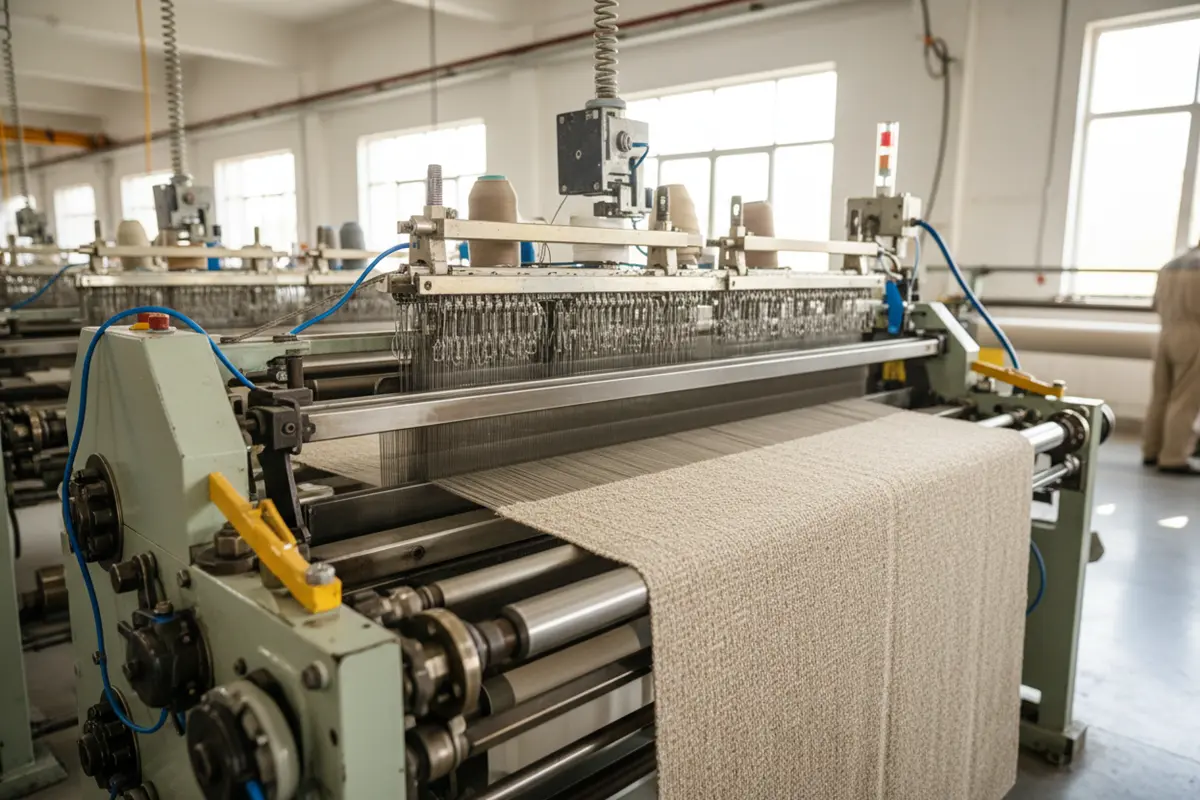
Industrial fabric powers some of the most demanding products in the world. From high-performance outdoor gear and protective workwear to medical textiles and automotive interiors, industrial textiles form the invisible backbone of countless industries.
Yet for many apparel brands, sourcing teams, and product developers, industrial fabric remains one of the least understood categories. As a result, procurement decisions are made under time pressure, supplier relationships are built on guesswork, and material data is scattered across spreadsheets and emails.
This guide changes that. Whether you are evaluating industrial fabric manufacturers for the first time or optimising an existing supplier network, this resource covers everything you need — from material types and key standards to how to select a reliable industrial fabric supplier and manage the process efficiently.
What Is Industrial Fabric?
Industrial fabric is a broad category of textiles engineered for functional performance rather than aesthetics. Unlike consumer fashion fabrics, industrial textiles are specifically designed to withstand extreme conditions — heat, pressure, abrasion, chemicals, moisture, and mechanical stress.
These fabrics are constructed from a variety of fibers, such as acrylic, cotton, jute, nylon, polyester, and vinyl. The choice of fibers directly impacts the fabric’s strength, durability, and resistance, making them suitable for demanding applications. Furthermore, the term covers a wide range of materials, including woven and non-woven fabrics, coated textiles, composite structures, and technical laminates. What they all share is a specification-driven development process, where performance data and compliance documentation matter far more than colour or hand-feel.
In particular, industrial fabrics are used in sectors including:
- Outdoor and performance apparel — waterproof membranes, insulation layers, and abrasion-resistant shells
- Protective workwear — flame-retardant fabrics, cut-resistant textiles, and chemical barrier materials
- Medical and hygiene products — sterilisable fabrics, fluid-resistant barriers, and compression textiles
- Automotive and aerospace — seat textiles, airbag fabrics, and structural reinforcements
- Agriculture and geotechnics — weed barriers, erosion control fabrics, and shade cloth
- Construction — architectural membranes, insulation materials, and safety netting
Additionally, industrial fabrics can be treated with finishes to enhance properties like fire retardancy, waterproofing, tear resistance, mold resistance, and UV resistance. Overall, industrial fabric is a durable, strong material that is easy to clean and widely used for commercial, manufacturing, and shipping applications.
Ultimately, for brands in outdoor sports, workwear, or technical apparel, choosing the right industrial fabric is a foundational sourcing decision that affects product quality, compliance, cost, and brand reputation.
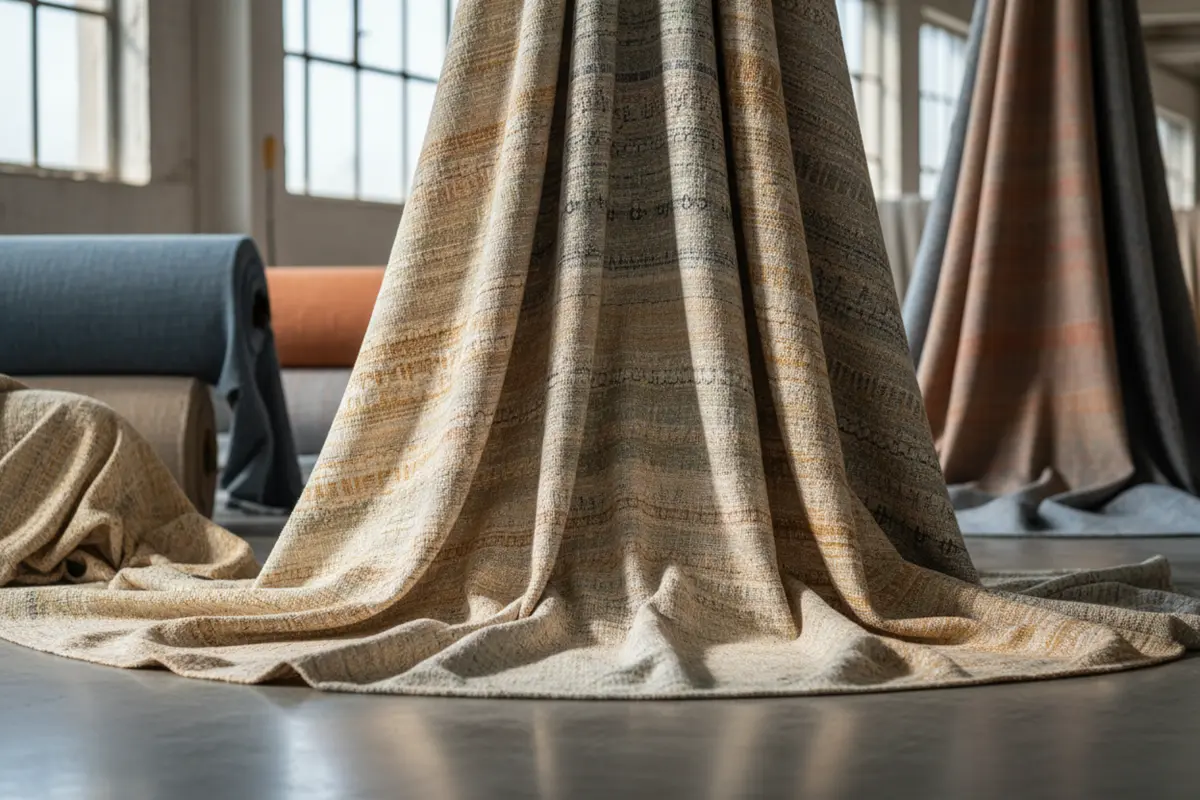
Types of Industrial Fabric
Understanding the main categories of industrial textiles helps sourcing teams make informed decisions and communicate clearly with industrial fabrics suppliers.
1. Woven Industrial Fabrics
Woven structures are produced on looms by interlacing warp and weft yarns. As a result, they offer high tensile strength and dimensional stability. Common examples include canvas, ripstop nylon, polyester oxford, and ballistic nylon. These fabrics are therefore widely used in bags, outdoor shelters, awnings, and workwear, providing excellent durability, tear resistance, and breathability.
2. Non-Woven Industrial Textiles
In contrast to woven structures, non-wovens are manufactured by bonding fibres through heat, chemicals, or mechanical processes rather than weaving or knitting. They are consequently widely used in filtration, geotextiles, hygiene products, and insulation. Their main advantage is cost efficiency and the ability to engineer properties like porosity and absorbency very precisely. For example, needle punched non-woven fabrics are manufactured using carded fiber webs that are mechanically entangled using barbed needles.
3. Coated and Laminated Fabrics
Coated fabrics have a polymer layer applied to their surface — typically PVC, polyurethane, or silicone — to add waterproofing, chemical resistance, or dimensional rigidity. Similarly, laminated fabrics bond two or more layers together to combine properties: for instance, a woven face bonded to a breathable membrane and a soft inner lining. Notably, over 70% of industrial fabric failures are traced to coating issues rather than fiber fracture.
These structures are therefore common in outdoor apparel, inflatable products, tarpaulins, and industrial protective clothing.
4. Technical Knits
Engineered knit structures are used where stretch, breathability, and comfort matter alongside performance. They appear in compression garments, sportswear, and some medical textiles. Moreover, advances in three-dimensional knitting technology have expanded their role in technical applications. For instance, meta-aramids are semicrystalline fibers created using a wet spinning process.
5. Composite and High-Performance Fabrics
Composite industrial fabrics combine materials to achieve properties that no single material can deliver alone. Carbon fibre composites, glass fibre reinforcements, and Kevlar-based structures all fall into this category. They are consequently used in aerospace, automotive, and protective equipment. Furthermore, these materials tend to involve the most complex supply chains and the most stringent quality requirements.
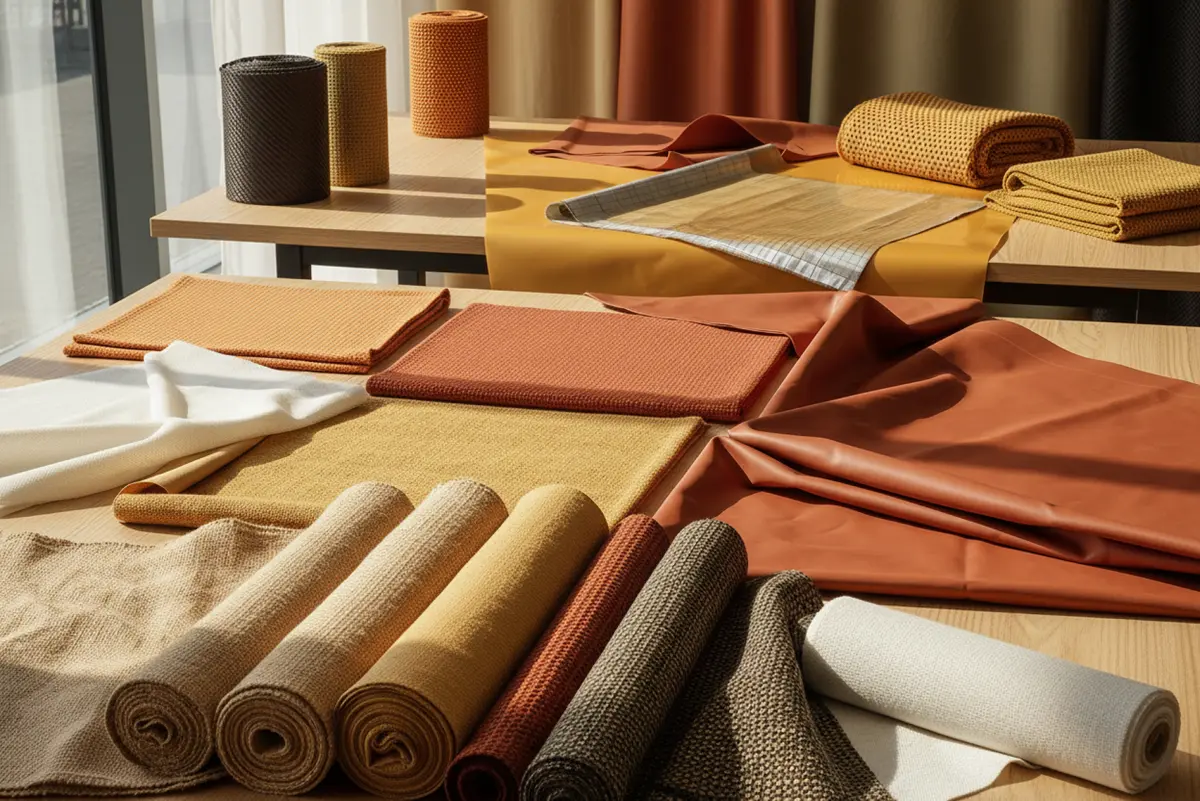
Key Properties to Specify When Sourcing Industrial Fabric
When working with industrial fabric manufacturers, the quality of your specifications determines the quality of the outcome. Specifically, vague briefs lead to incorrect samples, wasted development cycles, and costly corrections.
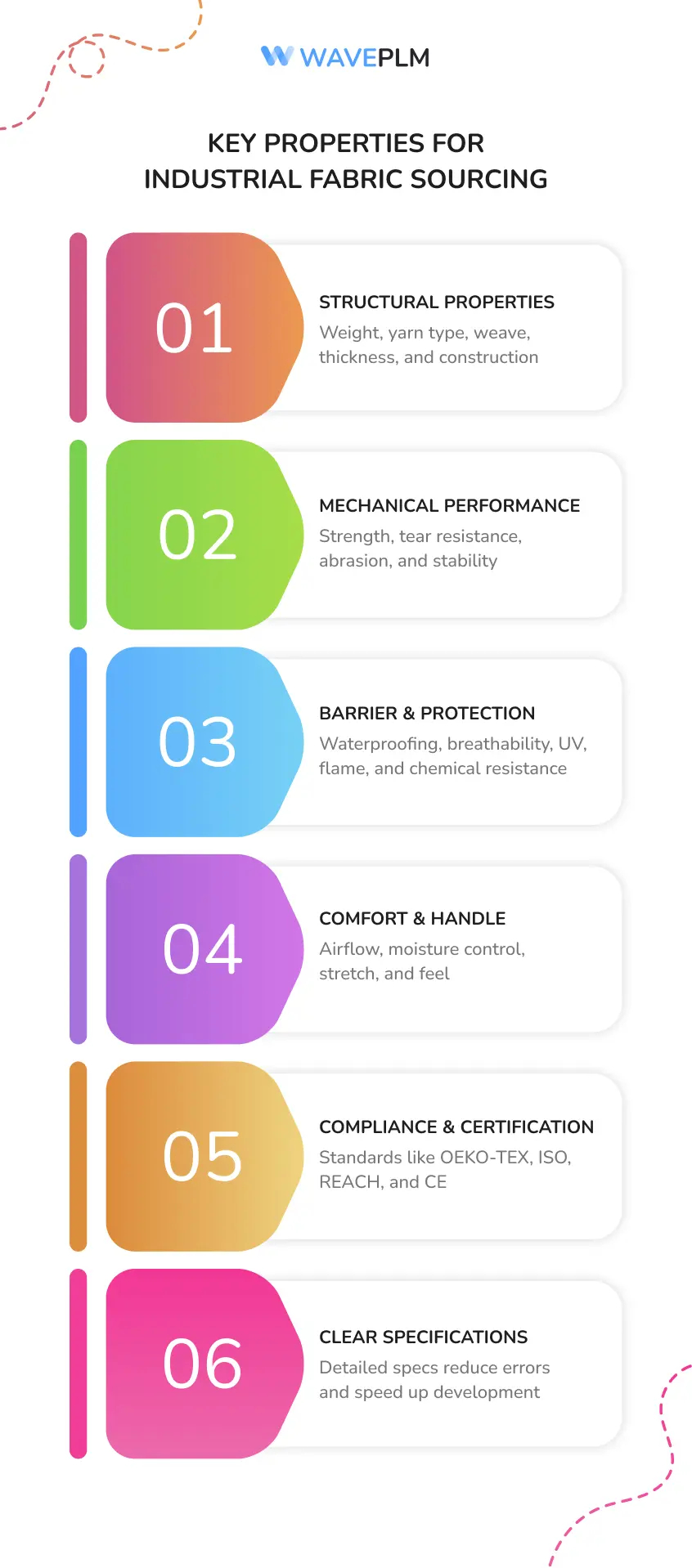
The following properties are typically relevant when specifying industrial fabric:
Structural properties: fabric weight (g/m²), thread count, yarn type and denier, weave or construction type, thickness (mm)
Mechanical performance: tensile strength, tear resistance, burst strength, abrasion resistance, dimensional stability
Barrier and protection properties: waterproof rating (Hydrostatic Head, mm), breathability (MVTR, g/m²/24h), UV resistance, flame retardancy, chemical resistance class
Comfort and handle: air permeability, moisture-wicking behaviour, stretch and recovery, hand-feel
Compliance and certification: OEKO-TEX® Standard 100, bluesign®, ISO standards relevant to end-use, REACH compliance, CPSC requirements for the US market, CE marking for European markets
As a result, providing a complete specification sheet before requesting samples from an industrial fabric supplier saves significant time and avoids misaligned expectations.
How to Evaluate Industrial Fabric Manufacturers
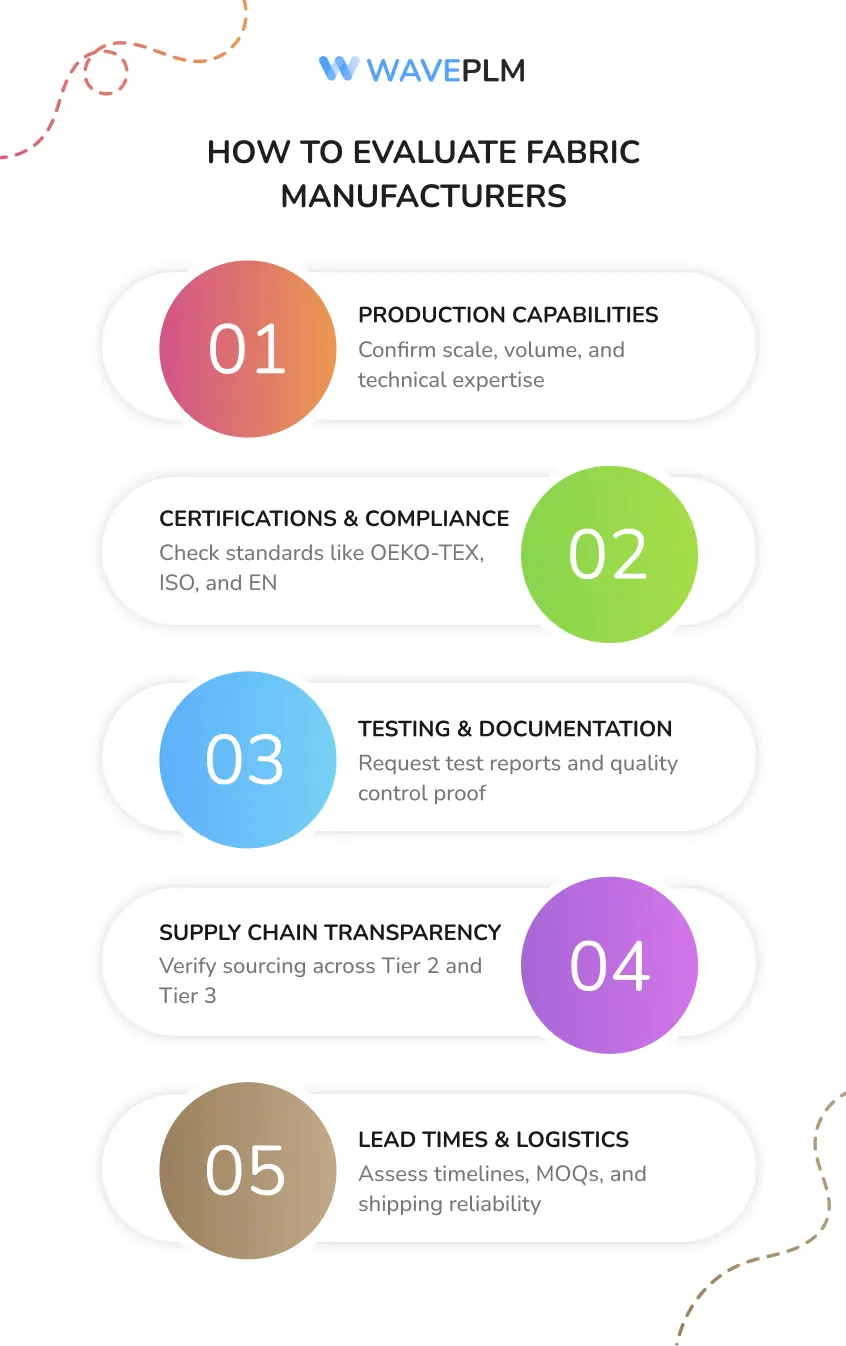
The choice of industrial fabric manufacturers has a long-term impact on product quality, supply chain reliability, and brand reputation. Therefore, evaluating suppliers requires a structured process that goes beyond price comparison. Leading manufacturers often provide design assistance, including engineering recommendations and technical support, as part of their full-service offerings.
Production Capabilities and Scale
Industrial textile production spans very different scales, from small specialty mills producing high-value technical materials to large-volume producers supplying commodity fabrics. Before committing to a supplier, confirm that a manufacturer can produce your required volume, in the construction and finish you need, within your development timeline.
Certifications and Standards Compliance
Reputable industrial fabric manufacturers maintain certifications that validate their processes and materials. For example, OEKO-TEX®, bluesign®, ISO 9001, and sector-specific standards signal that a supplier can demonstrate control over their inputs and processes. In particular, for workwear and protective equipment, compliance with EN ISO standards is often a legal requirement, not a preference.
Testing and Quality Documentation
Always ask potential suppliers for test reports relevant to your specification. A trustworthy industrial fabrics supplier will have third-party test results for key performance properties and will be able to explain their internal quality control process. If, however, a supplier cannot provide documentation, treat this as a risk signal.
Supply Chain Transparency
Brands are under increasing pressure to demonstrate responsible sourcing throughout their value chain. As a result, understanding where your industrial fabric manufacturer sources its fibres and yarns is becoming essential, not optional. Indeed, Tier 2 and Tier 3 visibility is a growing expectation from both regulators and consumers.
Lead Times and Logistics
Industrial fabrics are often made to order, which means lead times can range from a few weeks to several months. Therefore, confirm standard lead times, minimum order quantities (MOQ), and whether the supplier holds stock for repeat orders. Additionally, logistics infrastructure — particularly for international shipments — should also be assessed.
Finding the Right Industrial Fabric Supplier
The global market for technical and industrial textiles includes thousands of industrial fabrics suppliers across Europe, Asia, and North America. Navigating this landscape efficiently requires a clear brief, a structured evaluation framework, and reliable data management.
Where to Find Suppliers
Trade shows like Techtextil (Frankfurt), Performance Days (Munich), and ISPO are key gathering points for the technical textiles industry. In addition, many industrial fabric manufacturers also list their capabilities on platforms like Alibaba, Kompass, or sector-specific directories.
However, direct referrals within your industry network often yield the most reliable leads. If your brand already works with a strong fashion supply chain management framework, your existing supplier relationships may already include industrial fabric contacts.
Building Supplier Relationships
Industrial fabric sourcing rewards long-term relationships. Suppliers who understand your standards, timelines, and quality expectations can respond faster, offer earlier access to new developments, and collaborate on problem-solving when issues arise. For this reason, treat your industrial fabric supplier network as a strategic asset, not a transactional list.
How Industrial Fabrics Fit Into Your Supply Chain
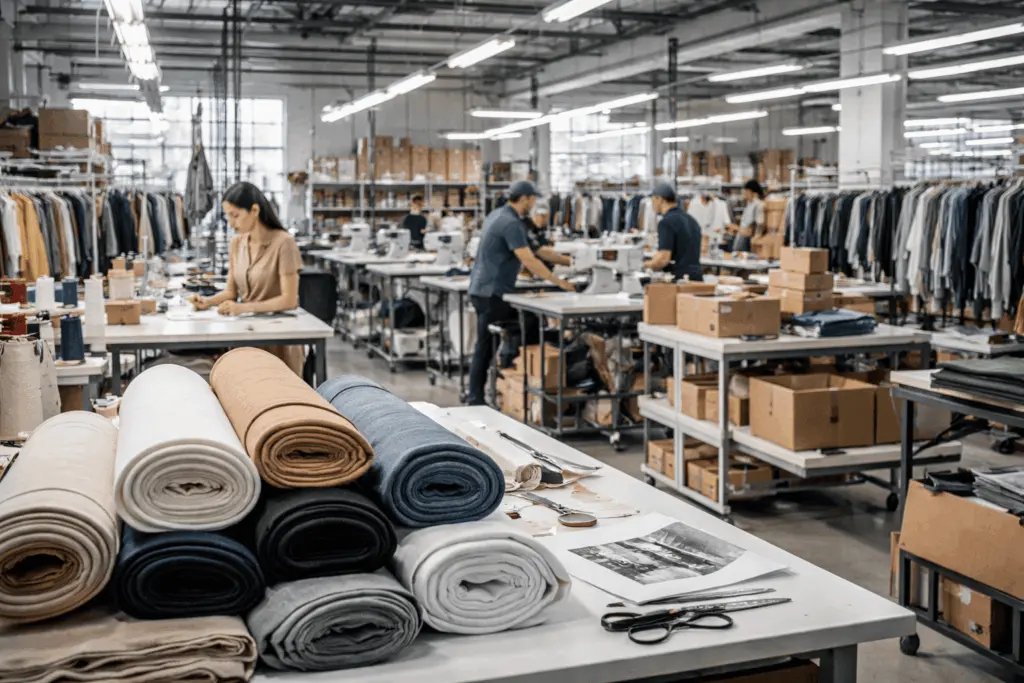
For brands in outdoor apparel, workwear, or technical products, industrial fabric sits at the very beginning of the fashion supply chain. It is a raw material input that affects every downstream decision — product design, cost, compliance, lead times, and end-product performance.
As a result, material sourcing is one of the highest-leverage decisions in product development. Getting it right early saves time and money across the entire development cycle. Getting it wrong, however, creates a chain of issues: failed tests, delayed approvals, cost overruns, and production rework.
Moreover, the relationship between industrial fabric choice and clothing supply chain complexity is direct. More technical materials typically mean more supplier relationships to manage, more compliance documents to track, and more testing milestones to coordinate. Consequently, brands that manage this well gain a real competitive advantage.
The Role of PLM in Managing Industrial Fabric Sourcing
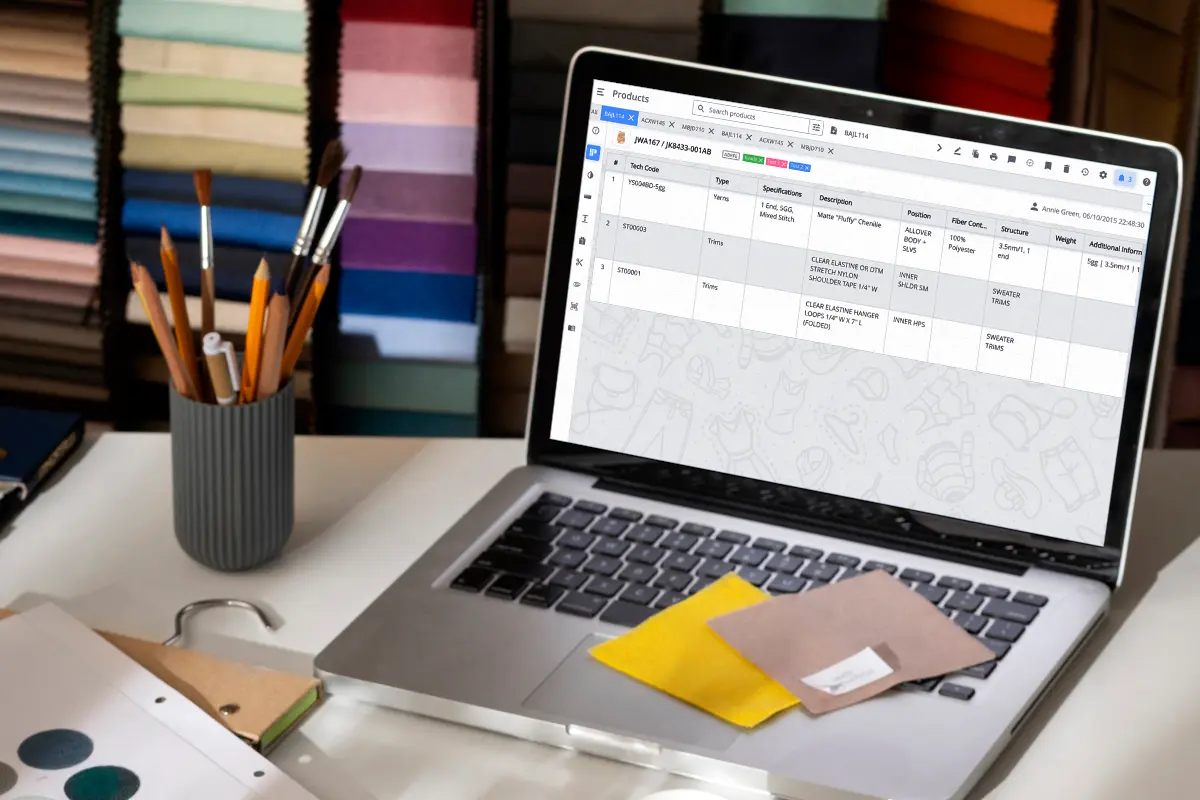
One of the most common challenges for sourcing teams working with industrial textiles is data fragmentation. Material specifications live in one spreadsheet, test results in an email chain, certifications in a shared folder, and supplier contacts in someone’s inbox. This fragmentation is a significant operational risk.
Product Lifecycle Management (PLM) software addresses this directly. Specifically, a well-implemented PLM system provides a centralised platform where material data, supplier information, test results, certifications, and compliance documentation are all connected to the product record.
For brands managing complex industrial fabrics across multiple product lines, PLM therefore creates:
A single source of truth for material data. Every specification, test result, and certification is linked to the material, accessible to every team member who needs it.
Structured supplier management. Supplier profiles, audit records, and performance history are maintained in one place, connected to the products they supply.
BOM integrity. When an industrial fabric appears in a BOM (Bill of Materials), changes to its specification, supplier, or compliance status flow through to every affected product. This consequently prevents costly errors from using outdated data.
Compliance and certification tracking. Expiry dates for certifications, pending test approvals, and compliance milestones are visible across the team, rather than buried in individual inboxes.
Faster development cycles. When designers and sourcing teams can access accurate, up-to-date material data in real time, decisions are made faster and development timelines compress.
For outdoor and sports brands — which rely heavily on technical and industrial fabrics in their performance lines — PLM built for the outdoor and sports market offers particular value. Indeed, the complexity of managing waterproof ratings, breathability data, lamination approvals, and sustainability certifications for a full collection is simply too great to manage in disconnected systems.
Industrial Fabric Trends in 2026
The industrial textiles sector is evolving rapidly. Notably, sustainable industrial fabrics help preserve natural resources and sustain long-term environmental health. Brands and sourcing teams who understand current trends will therefore be better positioned to make forward-looking sourcing decisions.
Sustainability-Driven Material Innovation
The pressure to reduce environmental impact is driving significant investment in sustainable industrial fabrics. As a result, recycled polyester and nylon, bio-based fibres, and closed-loop production processes are becoming mainstream rather than niche. Brands sourcing from industrial fabric manufacturers with strong sustainability credentials are consequently able to support product-level claims that resonate with consumers and satisfy regulators.
Functional Convergence
High-performance fabrics are increasingly being engineered to do more with less. For example, a single laminate might combine waterproofing, breathability, stretch, UV protection, and antimicrobial properties. This convergence reduces layer count, simplifies construction, and can lower production costs — but it also requires more sophisticated specification and testing.
Near-Shoring of Technical Textile Production
Global supply chain disruptions have accelerated interest in sourcing industrial fabrics closer to final production locations. As a result, European and North American technical textile producers are benefiting from this trend, offering faster lead times and easier quality oversight. Brands working with the clothing supply chain issues created by global disruption are actively diversifying their supplier geography.
Digital Material Libraries and Supplier Portals
Industrial fabric manufacturers are investing in digital tools that give brands remote access to material data, certifications, and test results without physical sample requests. When integrated with a brand’s PLM system, this creates an efficient, real-time sourcing workflow that reduces development time significantly.
Summary: What Good Industrial Fabric Sourcing Looks Like
Brands that source industrial fabrics effectively tend to share a few common characteristics. First, they build specifications before approaching suppliers, which means conversations are productive from the first contact. Second, they evaluate industrial fabric manufacturers on capability, compliance, and reliability rather than price alone. Third, they build long-term supplier relationships that improve with each development cycle. Additionally, they track material data, certifications, and test results in a centralised system rather than scattered documents. Ultimately, they treat fabric sourcing as a strategic activity that connects directly to product quality, brand reputation, and supply chain resilience.
How Wave PLM Supports Industrial Fabric Management
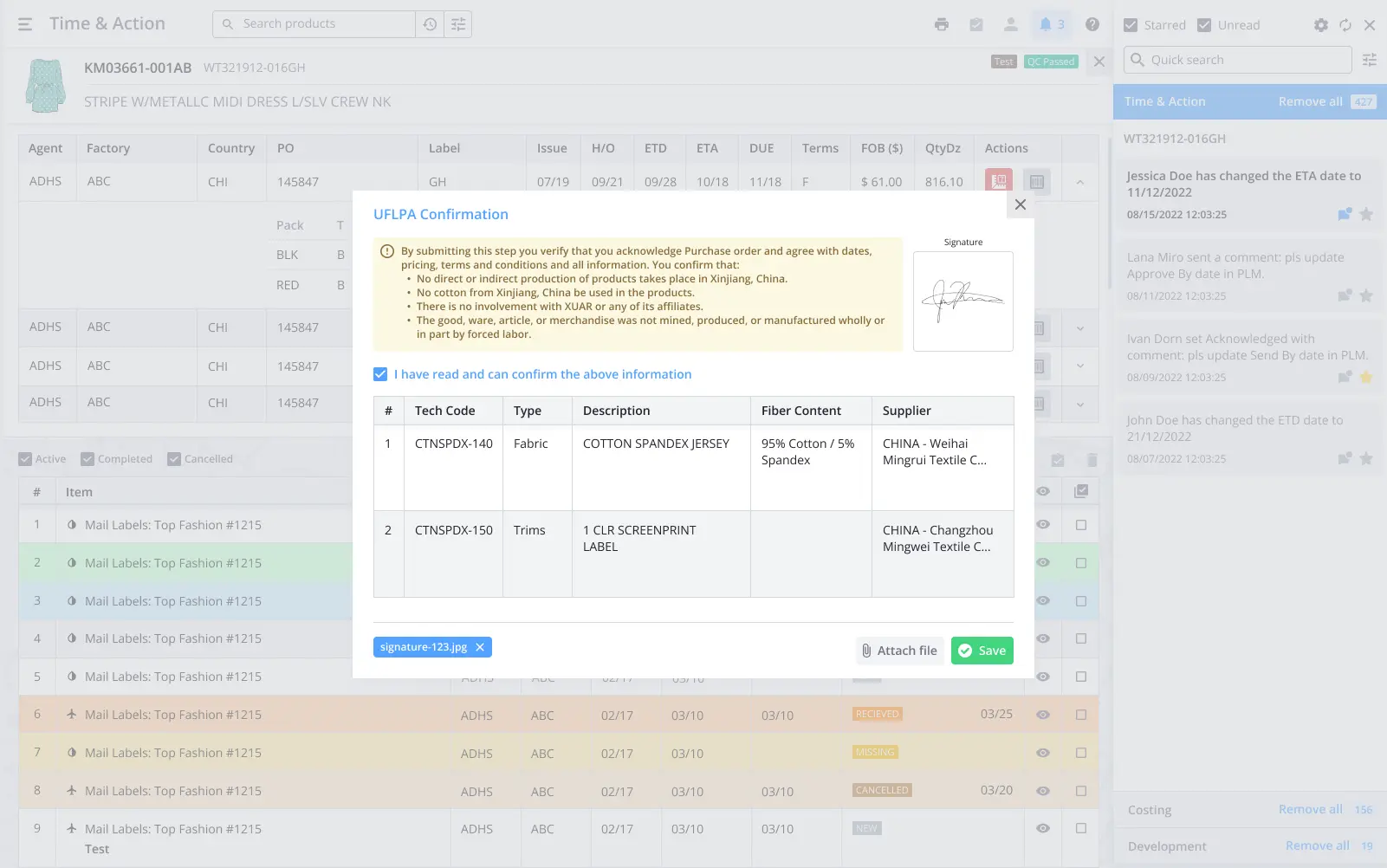
Wave PLM provides a connected platform where sourcing teams can centralise all material data, manage supplier relationships, and track compliance and testing milestones across every product. For brands working with complex industrial fabrics in outdoor, workwear, or technical apparel lines, Wave PLM reduces the operational burden of managing multiple suppliers and certification requirements.
Specifically, with Wave PLM, teams can link industrial fabric specifications directly to the products they appear in, ensuring that every team member — from design to production — is working from accurate, up-to-date data. As a result, certification expiry dates, test approvals, and supplier audit records are visible in one platform, rather than scattered across email and spreadsheets.
If your brand is ready to take control of industrial fabric sourcing and eliminate the data fragmentation that slows development, Wave PLM is built for exactly this challenge.



Leave a Reply