
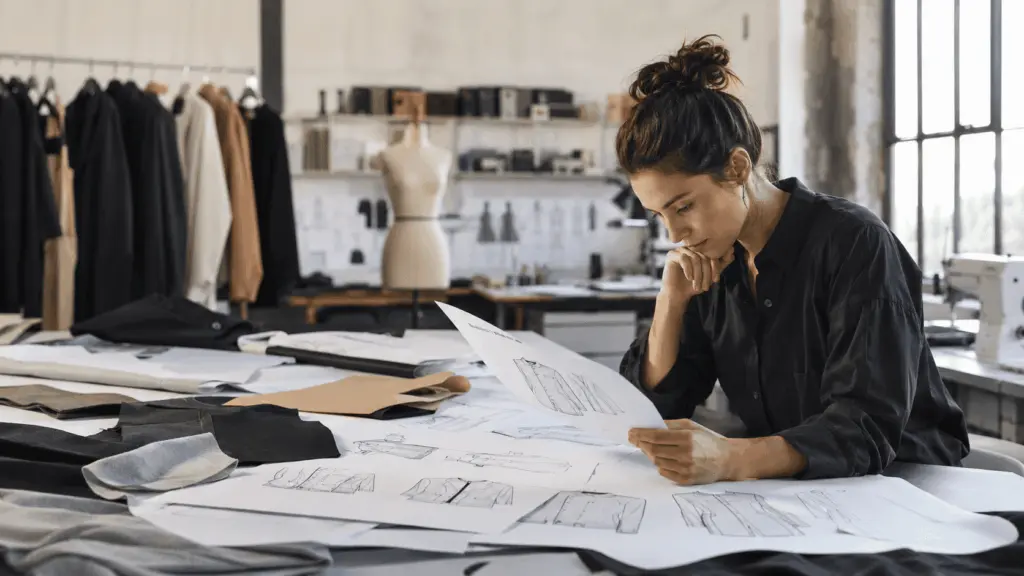
To start a clothing brand that sells at wholesale, scales beyond a hobby, and builds lasting equity, you need more than a Shopify store and a logo. Specifically, you need a production model, a development process, sourced materials, approved samples, qualified manufacturers, and working capital — before a single unit ships. Most guides on how to start a clothing brand focus on print-on-demand (POD): someone else handles the inventory and fulfillment, and you never touch raw fabric. This guide covers the cut-and-sew custom manufacturing path instead. It is the more complex route — but it produces original garments, supports wholesale margins, and creates a product that belongs entirely to your brand.
Below are the 9 steps required to start a clothing brand via custom manufacturing — including decisions, timelines, and tools that first-time founders consistently underestimate.
How to Start a Clothing Brand: What the Process Requires
Before step one, it helps to understand the full scope. A working clothing brand needs four things at minimum. You need a defined product (what you make and for whom), a production source, a supply chain for materials, and a sales channel. Each element has to be solved before the next can function reliably. Most brand failures in year one trace back to supply chain and production — not lack of customer demand.
Industry data: According to McKinsey’s State of Fashion report (2024), approximately 60% of fashion startups that fail in the first three years cite production and supply chain problems as the primary cause. Furthermore, SKU complexity and sourcing errors are the top contributors within that category.
How Do You Choose a Production Model?
The first decision when you start a clothing brand is the production model. This choice shapes everything downstream: upfront investment, lead times, product ownership, and scalability ceiling. There are three main options to consider.
Print-on-demand requires no inventory. Designs print on blank garments after each sale. However, POD offers limited product differentiation, no control over garment quality, and margins too thin for wholesale viability. White-label manufacturing sources pre-made blanks that you rebrand. It moves faster than full custom, but it constrains silhouette and fabric choices. Cut-and-sew custom manufacturing builds garments from raw fabric using your original patterns and specifications. Consequently, this path requires the highest upfront investment — but it creates a genuinely proprietary product that no competitor can replicate directly.
Most wholesale buyers and investors require cut-and-sew production. Therefore, if your goal includes retail accounts or a brand with exit potential, custom manufacturing is the right starting point.

How Do You Define Your Niche and Price Point?
A niche is not just a product category. It is the intersection of a specific customer identity and a specific use case. “Sustainable activewear for women over 40” is a niche. “T-shirts” is not. The more precisely you define your customer, the more clearly you can design to their needs — and the more efficiently you can reach them through marketing.
Your price point, moreover, directly determines whether cut-and-sew production is financially viable for you. A $35 retail T-shirt generally cannot support custom manufacturing at early scale. Custom garments at early scale typically require retail prices of $80 or above. At that price point, a workable margin is achievable after fabric, CMT costs, sampling, freight, and duty. Additionally, your price tier affects which factories are willing to work with you — most quality manufacturers have minimum order quantities and preferred price range profiles.
How Many Styles Should Your First Collection Include?
A first collection should be intentionally small: 6 to 12 styles, each in two to three colorways. Larger collections multiply development complexity without proportionally increasing your market intelligence. Each style requires original patterns, fitting rounds, approved samples, and sourced materials. Furthermore, every additional colorway creates its own product record with a separate BOM, labdip submission, and quality reference standard.
Start with your three or four strongest silhouettes. Test whether the market responds. Then expand in Season 2 using what you learned from real sales and wholesale feedback.

Why Does Every Style Need a Tech Pack?
A tech pack is the technical document that communicates your design to the factory. It includes a construction sketch, graded measurements across all sizes, seam and stitch specifications, material callouts with Pantone references, label placement, and packaging instructions. No professional factory will quote or produce samples without one.
Building accurate tech packs is one of the most time-consuming steps when you start a clothing brand. As a result, many founders underdevelop them — then spend months correcting sampling errors that a complete spec would have caught before the first sample was cut. Your tech pack is your product blueprint. Incomplete documentation costs more to fix in sampling than it saves in development time upfront.
Our finding: Wave PLM customers who manage tech packs in a structured PLM system reduce sampling rounds by an average of 1.4 rounds per style — saving roughly two to four weeks of calendar time per style per season.

Step 5 — Source Your Fabrics and Materials
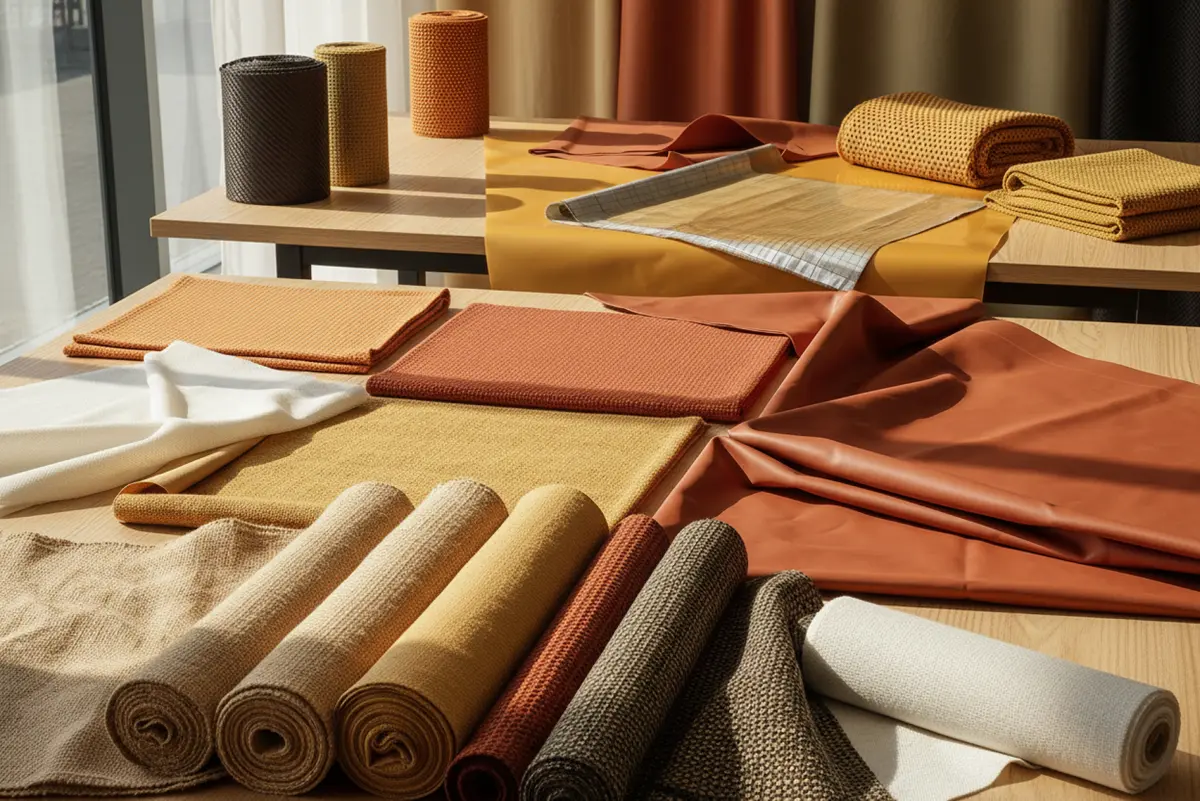
Fabric sourcing is where many first-time founders face their first major operational obstacle. Mills operate on minimum order quantities — typically 100 to 500 meters per colorway per fabric. This creates immediate cash flow pressure for a brand launching 10 styles across multiple colorways simultaneously.
A structured fabric sourcing workflow covers three areas. First, fabric identification: the fiber content, weight, weave, and finish your designs require. Second, supplier qualification: which mills or agents carry that fabric, at what MOQ, and at what lead time. Third, colorway management: each color requires a separate labdip submission and approval from the mill before bulk fabric production begins. Skipping any of these stages typically results in incorrect fabric arriving at the factory — or in weeks lost waiting for corrections.
Step 6 — Sample, Fit, and Approve
Cut-and-sew sampling runs through three rounds. The first is a prototype, often in a substitute fabric, to test construction logic. A fit sample in the correct fabric follows — used for size grading and approval. Finally, the factory produces a pre-production sample: the exact garment to be cut in bulk, which the brand must approve before production begins.
Each round typically takes two to four weeks, depending on factory location and workload. In total, therefore, sampling adds 6 to 12 weeks to your development calendar. Founders who fail to budget this time consistently miss their target delivery windows — which damages wholesale relationships before the brand has established a track record.

How Do You Cost a Garment Before Committing to Production?
Garment costing is the financial foundation of a clothing brand. Before confirming a production run, you need the total landed unit cost: fabric plus trim plus CMT labor plus packaging plus freight plus duties. Your retail price must deliver at least a 2.2× markup at wholesale and a 4 to 5× markup at DTC to support a viable business model.
A detailed garment costing process produces a cost sheet for every style. This document calculates material consumption, CMT rate, FOB price, and total landed unit cost. Additionally, it flags any styles where production costs make retail viability impossible — before sampling investment is committed. Cutting a style at the costing stage costs nothing. Cutting it after three sampling rounds costs thousands.
| Cost Component | Typical Range | Notes |
|---|---|---|
| Fabric (woven, mid-weight) | $4–$12 per meter | Varies by fiber content, finish, and MOQ tier |
| CMT (cut, make, trim) | $8–$30 per garment | Depends on construction complexity and factory region |
| Trim and labels | $0.50–$3 per garment | Buttons, zippers, hangtags, care labels |
| Freight (FOB to destination) | $0.80–$2.50 per unit | Higher per unit for small order quantities |
| Duties and customs | 0–32% of FOB value | Varies by product category and country of origin |
| First-season sampling (fixed cost) | $2,000–$8,000 total | Not per-unit — a startup development expense |

How Do You Find and Qualify Clothing Manufacturers?
Finding a factory is relatively straightforward. Qualifying one takes considerably more effort. Common sourcing channels for new brands include trade shows such as Magic Las Vegas and Première Vision Paris. Manufacturer directories (Maker’s Row, Sewport) and referrals from fabric suppliers are equally effective options.
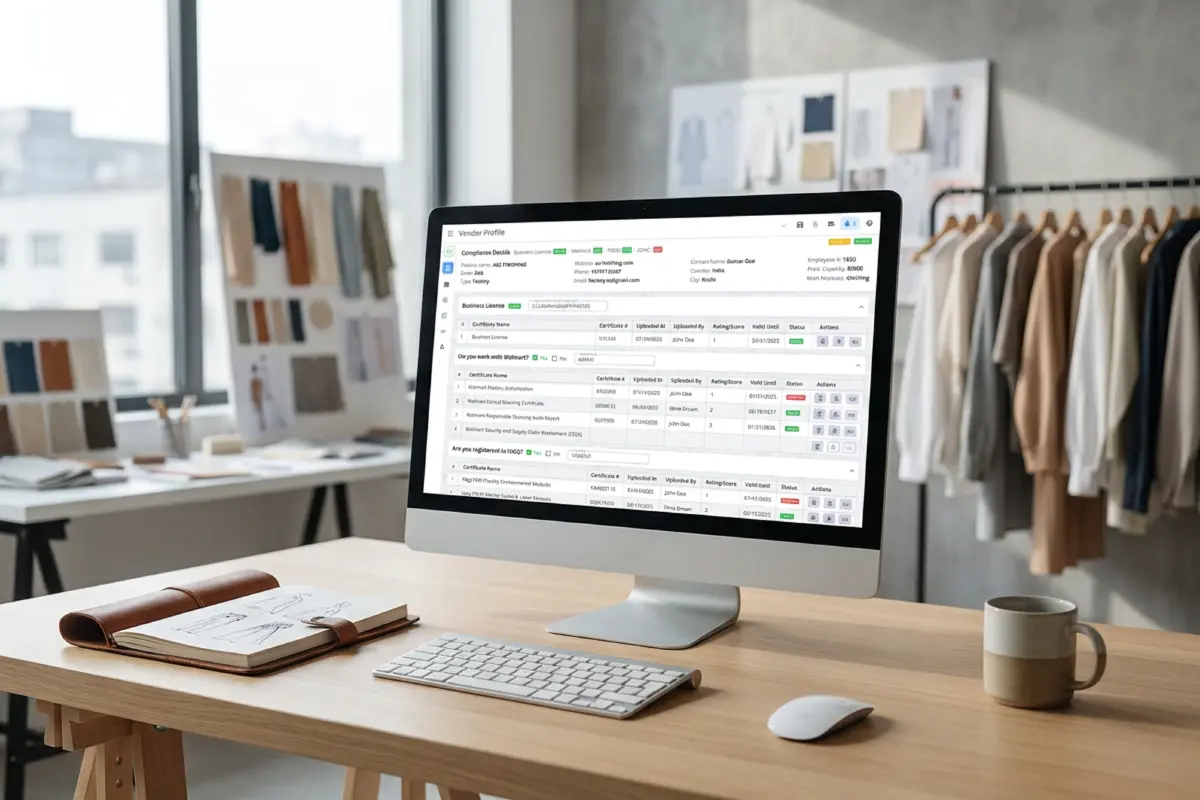
Qualification, however, requires more than reviewing a factory’s website. A meaningful evaluation covers four areas: production capacity, quality management systems (SA8000 or ISO 9001 certification), communication clarity in your primary language, and references from current brand clients. Building a structured supplier onboarding process from the beginning prevents the quality failures and miscommunications that typically surface mid-production when they are most expensive to fix.
Moreover, plan to work with at least two manufacturers by your second season. Single-factory dependency is one of the most common and costly operational vulnerabilities in small apparel brands.
Step 9 — Business Structure and Capital Planning
The legal and operational setup for a clothing brand covers business registration (typically an LLC), a federal EIN, trademark registration in your primary markets, and product liability insurance. These are not optional formalities — retail buyers and wholesale accounts require proof of insurance before placing orders.
Capital requirements for a first cut-and-sew production run typically range from $25,000 to $100,000, depending on collection size, fabric choice, factory region, and order quantity. This covers sampling, fabric deposits, CMT production payments, freight, and initial inventory. Therefore, most founders entering custom manufacturing use one of three paths. Options include personal capital, a friends-and-family raise, or wholesale pre-orders structured to cover the factory invoice before it falls due.
How Do You Sell a Clothing Brand?
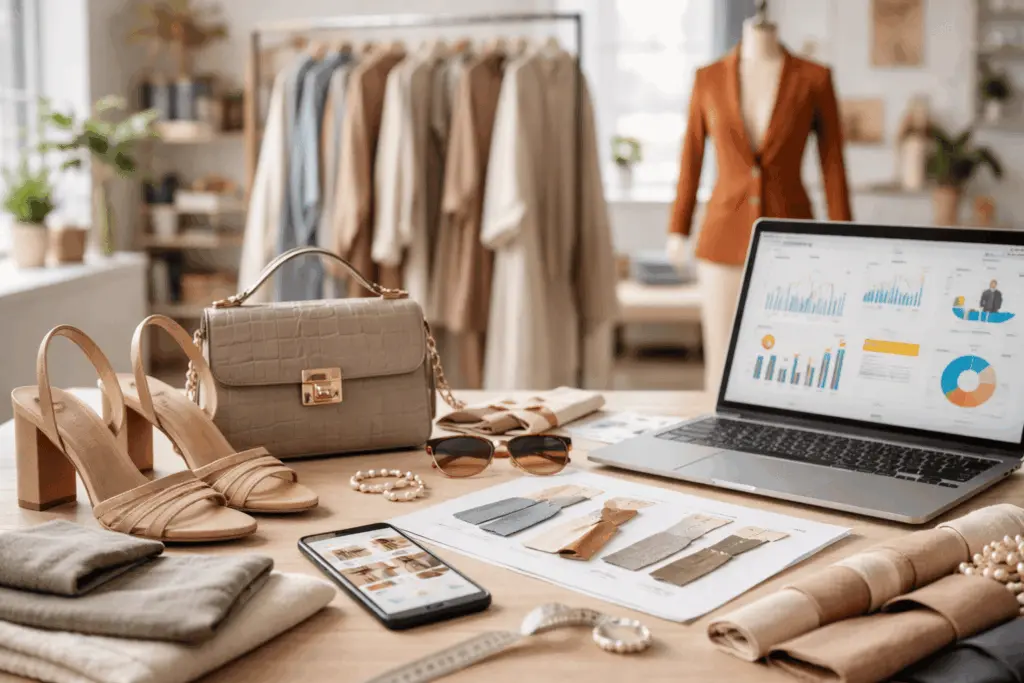
There are two primary sales channels for a new clothing brand: direct-to-consumer (DTC) via your own website, and wholesale through retail buyers. DTC delivers higher margins and direct customer data. Wholesale provides volume and brand credibility — but requires a 6 to 9 month production lead time from collection launch to in-store delivery.
Most successful small brands start with DTC to build proof of concept and establish quality consistency. Subsequently, they bring wholesale buyers into Season 2 or 3, once production reliability is demonstrated. Attempting wholesale in Season 1, before on-time delivery and quality control are proven, is a common mistake that ends wholesale relationships before they begin.
What Does It Cost to Start a Clothing Brand?
The total startup cost to start a clothing brand via cut-and-sew custom manufacturing typically falls between $30,000 and $150,000 for a first season. Design and patternmaking runs $2,000 to $8,000. Tech pack development adds $1,500 to $5,000. Sampling costs $2,000 to $8,000. Fabric and materials range from $8,000 to $40,000. CMT production adds $10,000 to $60,000. Branding and photography costs $2,000 to $10,000. Additionally, working capital to carry inventory through a 60 to 90 day sell-through cycle adds significantly to initial requirements.
Print-on-demand, by contrast, requires almost no upfront capital. However, POD cannot support wholesale margins and produces no proprietary product. When founders choose to start a clothing brand through custom manufacturing, the cost difference directly reflects the brand equity being built.
What Tools Do Clothing Brands Use to Manage Production?
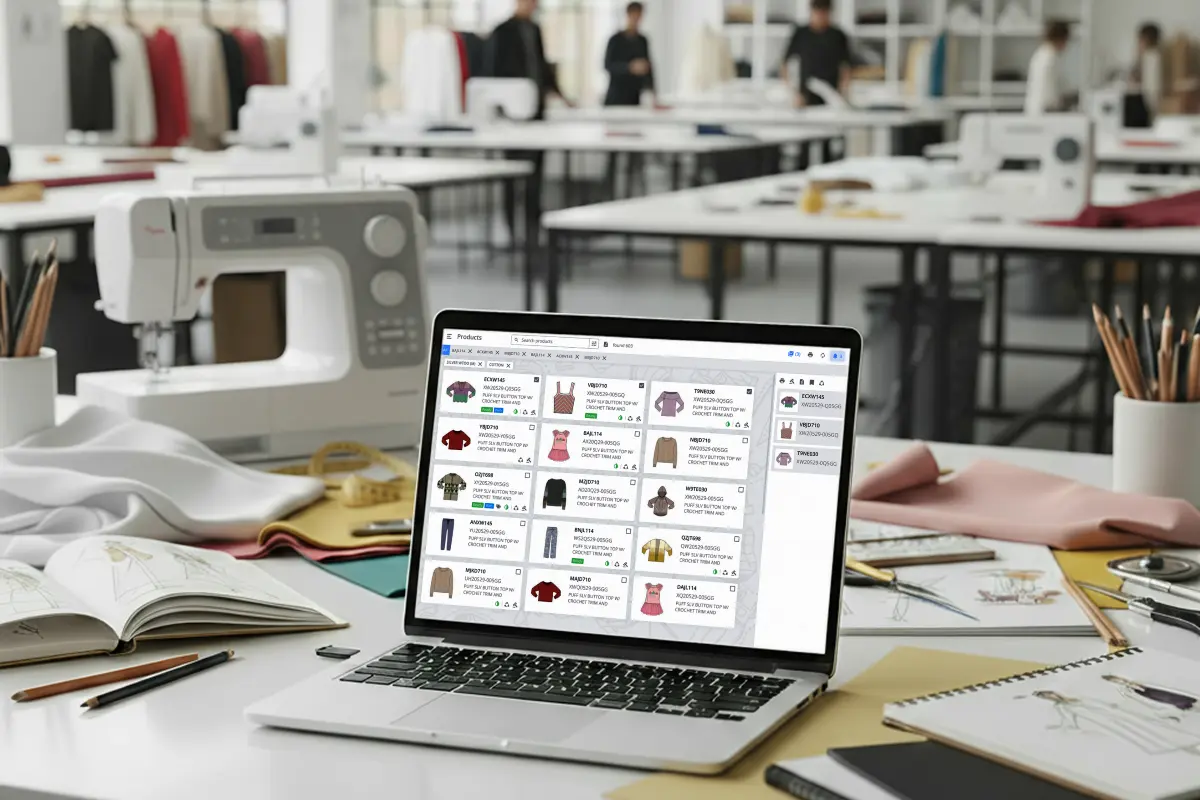
As collections grow beyond 10 styles and two seasons, managing tech packs, bills of materials, colorway approvals, and supplier communication in spreadsheets and email becomes unsustainable. A fashion PLM (product lifecycle management) system centralizes all product development data in one place — from the first sketch through bulk production approval.
Specifically, PLM handles five areas that spreadsheets fail to manage reliably at scale. First, tech pack version control ensures the factory always receives the current approved spec. Second, BOM management links every material to the correct style and colorway variant. Third, labdip and sample approval workflows create an audit trail of every correction round. Fourth, cost sheets update automatically when material prices change. Fifth, supplier portals give factories direct access to approved documentation — eliminating outdated email attachments from the production floor entirely.
Our finding: Wave PLM customers in their second or third season report saving 6 to 10 hours per week on production documentation and supplier communication — time that goes directly back into product development and collection planning.
Frequently Asked Questions
How do I start a clothing brand with no experience?
Start by learning the cut-and-sew production process before launching. Take a patternmaking or technical design course, and work with a freelance technical designer to build your first tech packs. Most first-time founders severely underestimate the specification requirements for garment production. Building that technical knowledge early prevents the sampling errors and factory miscommunications that cause costly delays in Season 1.
How long does it take to start a clothing brand?
From initial concept to first sales, starting a clothing brand via custom manufacturing typically takes 12 to 18 months. Design and development runs 2 to 3 months. Sourcing and sampling adds 3 to 5 months. Bulk production takes 6 to 10 weeks. Freight adds 2 to 6 weeks depending on origin. Brands that compress this timeline typically experience quality failures or missed delivery windows that damage retail relationships in the first season.
What is the minimum order quantity for a clothing brand?
Minimum order quantities vary by factory and region. Most overseas cut-and-sew manufacturers require 200 to 500 units per style per colorway. Some domestic factories work at 50 to 100 units per style at higher CMT rates. Fabric mills typically require 100 to 500 meters per colorway. MOQ is one of the primary constraints that determines whether a first collection is financially viable at a given retail price point.
Do I need a tech pack to start a clothing brand?
Yes — no professional factory will quote or produce samples without a tech pack. This specification document defines construction, measurements, materials, and finish requirements for each garment. Without it, factories interpret your design freely, and sampling corrections become expensive and time-consuming. Completing tech packs before approaching any manufacturer is essential for a cut-and-sew brand at any scale.
How do I find clothing manufacturers?
The most reliable sourcing channels are trade shows (Magic Las Vegas, Première Vision), manufacturer directories (Maker’s Row, Sewport), and referrals from fabric suppliers or industry contacts. Factory sourcing agents can also be valuable for brands entering overseas manufacturing for the first time. However, all manufacturers require qualification — not just identification. Visit the factory if possible, and always request client references before signing a production agreement.
When does a clothing brand need a PLM system?
Most brands that start a clothing brand via custom manufacturing outgrow spreadsheets by their second season, once they manage more than 20 styles across multiple colorways and suppliers. A PLM system becomes essential once version control errors on tech packs start producing incorrect samples. It also becomes critical when BOM data is duplicated across multiple files, or when labdip approvals are buried across email threads with no audit trail. Earlier adoption is almost always less disruptive than migrating mid-season under production pressure.
Deciding how to start a clothing brand through cut-and-sew custom manufacturing means accepting operational complexity. However, it is the path that creates a real product, builds genuine brand equity, and scales into wholesale. The brands that succeed are not always the most creative — they are the ones that manage their production process with discipline from the very first collection.
If your brand is moving from spreadsheets to structured product development, Wave PLM is purpose-built for that transition. It centralizes tech packs, BOMs, colorways, labdip approvals, and supplier communication in one system designed for small to mid-market apparel brands.
Book a Wave PLM demo to see how it works for a brand at your stage.



Leave a Reply