By Wave PLM Editorial — Updated May 1, 2026
A high hip measurement you take 3–4 inches below the natural waist with the tape level and snug. It is the number that drives fit on skirts, high-waisted pants. Dresses. Modern fashion PLM software like Wave PLM feeds it directly into your tech pack and graded size chart so every size fits the way you intended.
A Guide to High Hip Measurement
In the intricate world of fashion, the pursuit of the perfect fit is paramount. One key aspect that contributes significantly to achieving this perfect fit is the high hip measurement. This article delves into the essentials of high hip measurement, its importance in fashion. How it ensures accuracy in tailoring and clothing sizing.
By understanding where and how to measure your hips correctly, you can ensure that your garments fit impeccably and comfortably. Additionally, we will explore how Product Lifecycle Management (PLM) software influences modern fashion design. Particularly in relation to accurate measurements and fit.
Why Does Body Shape Matter for a High Hip Measurement?
In the fashion industry, understanding body shape and accurate measurement is the foundation for creating garments that truly fit and flatter. Hip measurement is a critical component in this process, as it helps define the silhouette and ensures that clothing contours to the body as intended. Hip measurements are generally measured in two places: the high hip and the full hip (also known as the low hip).
The high hip measurement covers represents the upper swell or top of the hip over the pelvic bone, is especially important for pattern making when designing skirts and pants that are meant to skim the body between the waist and hip. To take a hip measurement correctly, stand straight with your arms relaxed at your sides. Wrap a measuring tape around the sideline of the body, just below the center of the armpit. This ensures the tape is level and captures the true curve of the high hip.
Why Pattern Makers Take Both High Hip and Low Hip Measurements
The full hip measurement, or low hip, you take at the widest part of the hips and buttocks. This measurement is essential for determining the overall shape of the hip and we use for garments that need to accommodate the fullest part of the body. Examples include fitted skirts and pants.
Given the amazing variety of feminine shapes, it makes sense to take both the high hip and full hip measurements for accurate pattern making. Women’s hips are generally measured in two places because the difference between the high hip and low hip can vary greatly depending on body shape—whether you have a pronounced curve, a bubble butt, or a flatter tummy. For those with a protruding stomach. This includes the stomach’s curve in the hip measurement is crucial for a comfortable fit. A helpful tip is to use a rigid board placed vertically against the stomach while measuring. This ensures the measurement accounts for the upper swell and any forward curve.
By understanding which part of the hip each measurement represents and how to take a hip measurement accurately, designers and home sewers alike can create garments that fit beautifully. This attention to detail is what sets apart well-fitted clothing in the fashion industry. This makes the most of the unique shapes it makes sense to celebrate.
What Is a High Hip Measurement (and Where Do You Take It)?
What is High Hip Measurement?
The high hip measurement you take around the upper part of the hips, just below the waist and above the fullest part of the hips. This measurement is crucial for garments that sit high on the waist. Examples include skirts, high-waisted pants. Fitted dresses. Unlike the low hip measurement. This you take around the widest part of the hips, the high hip measurement ensures that garments fit snugly around the upper hip area. This provides a more tailored and flattering fit.
Importance in Fashion Fit
In fashion, fit is everything. A well-fitted garment enhances the wearer’s silhouette, ensuring comfort and confidence. High hip measurement plays a vital role in achieving this fit, particularly for garments designed to sit higher on the waist. Without accurate high hip measurements, clothing can either be too tight, causing discomfort, or too loose, leading to an unflattering appearance. By focusing on this measurement, designers and tailors can create pieces that conform beautifully to the body’s natural shape.
Where to Measure Full Hip Measurement?
Differentiating High Hip and Low Hip Measurements
When measuring the hips, it’s important to distinguish between high hip and low hip measurements. The high hip measurement you take approximately 3-4 inches below the natural waistline, whereas the low hip measurement you take around the widest part of the hips and buttocks. This distinction is crucial for achieving the desired fit for different types of clothing.
To ensure accuracy, always take round the body measurements by wrapping the tape measure evenly around the body and keeping it level. For individuals with a protruding tummy, the high hip measurement should account for the forward curve of the abdomen. Body shapes such as bubble butts and flat tums can affect where the high hip measurement is fullest. The measurement may not be evenly divided between front and back.
Steps to Measure High Hips
- Find the Right Position: Stand straight with feet together. Locate the natural waistline, which is the narrowest part of the torso.
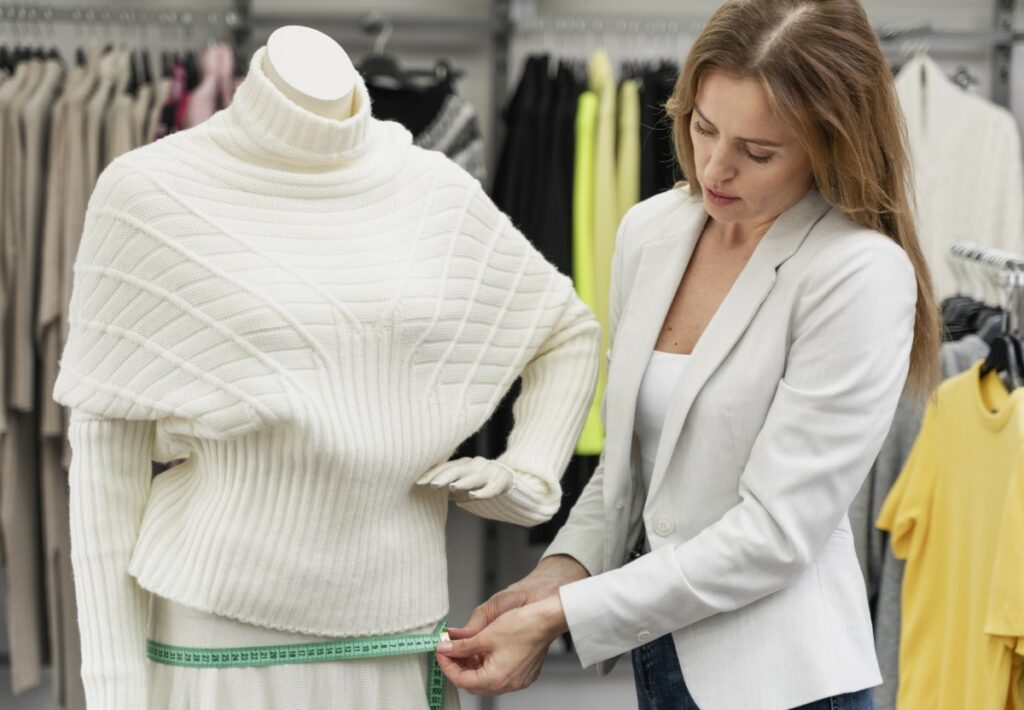
- Measure 3-4 Inches Below: Using a flexible measuring tape, measure around the body 3-4 inches below the natural waistline. For best results, start at one sideline, armpit wrap the tape around the body, making sure to go past the second sideline, and ensure the tape is parallel to the floor and snug but not tight.
- Record the Measurement: Note the measurement in inches or centimeters, ensuring accuracy for future reference. Precise measurements like shoulder-to-shoulder fit also play a crucial role in achieving comfort and proper garment fit.
For greater accuracy, take the extra measurement of both the front and back high hip, rather than relying on measurement but only one, to account for body shape variations. Always note exactly where the hip measurement was taken for consistency.
Common Mistakes to Avoid
- Incorrect Placement: Measuring too high or too low can result in inaccurate measurements.
- Tape Tension: The measuring tape should be snug but not so tight that it compresses the skin, nor so loose that it sags.
- Posture: Standing with poor posture can affect the measurement. Stand straight and relaxed for the best results.
- Slant due to scoliosis: A slant due to scoliosis can affect the accuracy of the high hip measurement and should be accounted for during measurement.
- Rump happens to curve: If the rump happens to curve significantly, ensure the measurement follows the natural curve for greater accuracy.
- Bone and quite frankly: Bone and quite frankly, every body is different, so measurements should be adapted to the individual’s unique anatomy.
Tailoring Accuracy and Clothing Sizing
Why Accuracy Matters
Accurate high hip measurements are essential for both custom tailoring and ready-to-wear clothing. In custom tailoring, precise measurements ensure that garments we make to fit the individual’s unique body shape. For ready-to-wear clothing, manufacturers rely on standard size charts that include high hip measurements to produce garments that fit a range of body types.
Longer line corsets and garments that extend below the waist require especially accurate high hip measurements to achieve a comfortable and supportive fit. Both the high hip and full hip measurements are important for hip and for longer garments to ensure a proper fit, as these measurements account for individual body shapes and garment styles. The hip measurement we use in both custom tailoring and ready-to-wear sizing to guide pattern making and garment construction for optimal fit.
Impact on Different Garments
- Skirts and Pants: For skirts and pants, especially high-waisted styles, high hip measurement ensures that the garment sits correctly on the body without slipping or causing discomfort. Many fashion design program specifying standards require precise high hip measurements for accurate garment construction.
- Dresses: In fitted dresses, the high hip measurement helps in creating a smooth, flattering silhouette that follows the natural contours of the body. When making adjustments, designers should recall the flat patterning process to modify the basic pattern based on individual high hip measurements for optimal fit.
- Jackets and Coats: While less critical for jackets and coats, high hip measurement can still influence the overall fit and comfort, particularly in tailored designs.
How Does Fashion PLM Software Improve Hip Measurement Accuracy?
What is PLM Software?
Product Lifecycle Management (PLM) software is a tool that fashion designers and manufacturers use to manage the entire lifecycle of a product. From initial concept to final delivery. This software integrates various design, development, production. Distribution processes. This ensures a seamless workflow. PLM software is particularly beneficial in the fashion industry. There, it aids in maintaining accuracy in sizing, enhancing collaboration. Speeding up time-to-market.
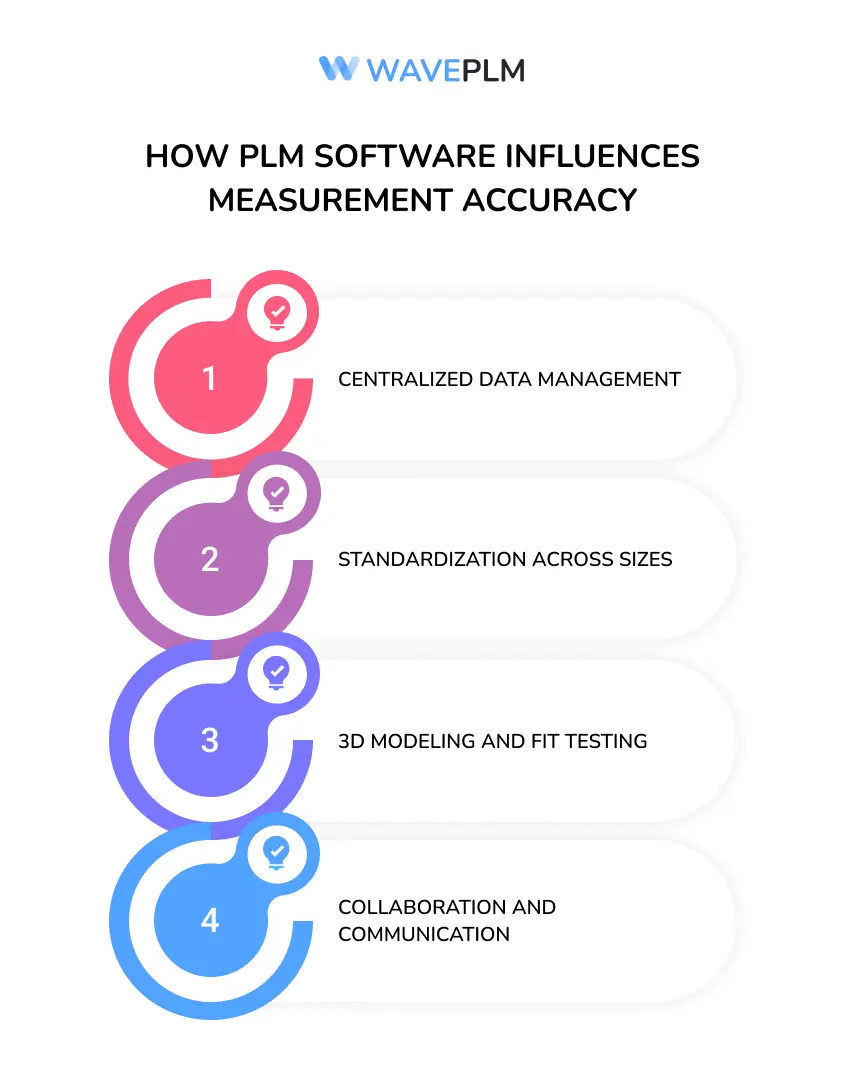
How PLM Software Influences Measurement Accuracy
- Centralized Data Management: PLM software allows for centralized storage of all measurement data, including high hip measurements. This ensures consistency across all stages of production, reducing the likelihood of errors. Designers and manufacturers can easily access accurate measurement data, ensuring the production of garments to the correct specifications.
- Standardization Across Sizes: PLM software helps standardize measurements across different sizes, ensuring the proportional scaling of each size. This is particularly important for high hip measurements, as it ensures that garments fit consistently across a range of sizes, from petite to plus-size.
- 3D Modeling and Fit Testing: Advanced PLM software often includes 3D modeling and virtual fitting tools. These tools allow designers to visualize how a garment will fit on different body types, using precise measurements like high hip. By simulating the fit of a garment before production, designers can make necessary adjustments to ensure the best possible fit.
- Collaboration and Communication: PLM software facilitates better communication between designers, manufacturers, and retailers. Accurate measurement data can be shared across teams, ensuring that everyone involved in the production process is on the same page. This reduces the risk of miscommunication and errors that can lead to ill-fitting garments.
Practical Applications of PLM in Fashion
- Custom Tailoring: For brands offering custom-tailored garments, PLM software ensures that each piece is crafted to the customer’s exact measurements. High hip measurements, along with other body measurements, are stored and used to create garments that fit perfectly.
- Mass Production: In mass production, PLM software ensures consistency in sizing across large batches of garments. People use high hip measurements to create size charts that guide production, ensuring that every item produced meets the brand’s standards for fit.
- Sustainability and Efficiency: By reducing the number of garments that need alterations or that returns due to poor fit, PLM software contributes to more sustainable production practices. This efficiency not only saves time and resources but also reduces waste, which is a significant concern in the fashion industry.
How Do You Use a High Hip Measurement for a Better Fit?
Custom Tailoring
Custom tailoring is the gold standard for achieving the perfect fit. With accurate high hip measurements, tailors can create garments that fit like a glove, enhancing comfort and style. Whether it’s a bespoke suit, a tailored dress, or custom-fit pants, the high hip measurement is a key component in the tailoring process.
Ready-to-Wear Adjustments
For off-the-rack clothing, alterations can make a significant difference. Taking your high hip measurement to a tailor for adjustments can transform a good fit into a perfect one. Simple alterations. Examples include taking in the waist or adjusting the hem, can significantly improve the overall fit and appearance of the garment.
Online Shopping Tips
When shopping online, refer to the brand’s size chart and compare it with your measurements. Look for detailed size guides that include high hip measurements to ensure the best possible fit. Many online retailers offer virtual fitting tools that can provide additional guidance based on your measurements.
High hip measurement is a crucial element in achieving the perfect fit in fashion. By understanding where and how to measure your hips accurately, you can ensure that your clothing fits well and flatters your body shape. Whether you are investing in custom-tailored pieces or shopping for ready-to-wear garments, accurate high hip measurements are key to looking and feeling your best.
Moreover, the integration of PLM software in the fashion industry revolutionizes the way measurements like high hip are utilized. By ensuring measurement accuracy, standardization. Efficient communication across the production process, PLM software enhances the overall fit and quality of garments. Embrace the precision of high hip measurement and the technological advancements in fashion to enjoy the confidence that comes with perfectly fitted clothing.
How Do You Take a High Hip Measurement Step by Step?
A repeatable five-step method for taking a high hip measurement that pattern makers can rely on for tech packs and graded size charts.
Find your natural waistline
Stand straight with feet together and arms relaxed. The natural waist is the narrowest part of your torso, typically just above the belly button. Mark it with a string or fingertip so you have a reliable reference point.
Measure 3–4 inches below the waist
Wrap a flexible measuring tape around your body 3 to 4 inches below the natural waistline. This is where the high hip sits, over the top of the pelvic bone — the point that controls fit on skirts and high-waisted pants.
Keep the tape level and snug
Make sure the tape is parallel to the floor all the way around. It should be snug against the body but not compress the skin. Glance in a mirror or have someone check the back so the tape does not dip or ride up.
Account for body shape
If you have a protruding tummy, a pronounced curve, or a flatter back, follow the natural curve of the body and let the tape sit where the high hip is fullest. For tech pack accuracy, take a separate front and back high hip reading rather than averaging.
Record the number — twice
Note the high hip measurement in both inches and centimeters. Save it in your size chart, sloper, or PLM record so the same value flows into every pattern, sample, and graded size.
Frequently Asked Questions About High Hip Measurement
What is the difference between high hip and low hip measurement?
The high hip measurement is taken 3 to 4 inches below the natural waist, over the top of the pelvic bone. The low hip (or full hip) measurement is taken at the widest part of the hips and seat. Both numbers are needed for accurate pattern making — the high hip controls fit through the upper hip, and the low hip controls fit at the fullest curve.
How many inches below the waist is the high hip?
On most adult bodies, the high hip sits 3 to 4 inches below the natural waistline. Tall figures may sit closer to 4 inches; petite figures closer to 3. The point should align with the top of the pelvic bone, not the belly button.
Why does my high hip measurement matter for online shopping?
Brands that publish a detailed size chart use the high hip number to grade skirts, high-waisted pants, and fitted dresses. If the chart only shows a single hip measurement, your high hip is the safer one to compare for high-waisted styles.
How does fashion PLM software use the high hip measurement?
Fashion PLM software stores the high hip value once and links it across the tech pack, base pattern, sample comments, and the graded size chart. That way every size in production is built from the same measurement, which keeps fit consistent across an entire range.
Should I include my stomach curve in the high hip measurement?
Yes. If your stomach protrudes forward of the pelvic bone, the tape should follow the natural curve so the garment has room to sit comfortably. A rigid board held vertically against the stomach can help you see exactly where the high hip is fullest.
Glossary: Key Terms in Hip Measurement and Pattern Making
- High hip measurement — the body measurement taken 3 to 4 inches below the natural waist, over the top of the pelvic bone. Drives fit on high-waisted skirts, pants, and dresses.
- Low hip / full hip measurement — the measurement taken at the widest part of the hips and seat. Controls fit at the fullest curve of the body.
- Tech pack — the technical specification document a brand sends to a factory. It bundles measurements (including high hip), construction details, materials, and trims.
- Pattern making — the craft of turning body measurements into the flat shapes that become a garment. Accurate high and low hip values are non-negotiable inputs.
- Grading — the process of scaling a base pattern up and down to create a full size range. Hip measurements drive how each size flares from the waist.
- Fashion PLM software — Product Lifecycle Management tools (such as Wave PLM) that centralize tech packs, measurements, samples, and approvals so every size is built from one source of truth.
If you’re tracking high hip across a graded size range or multiple factories, Wave PLM keeps every measurement version-controlled in the tech pack — the same high hip value flows from pattern to sample approval to bulk production without anyone re-entering it. See how Wave PLM works →