
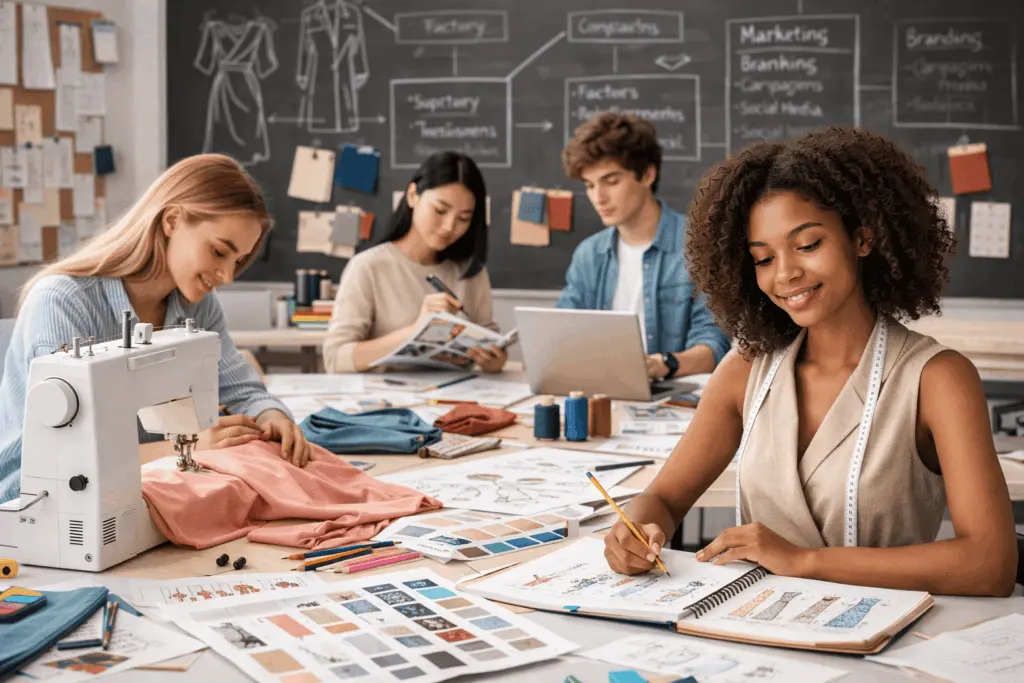
Many students dream about a career in fashion. They imagine runway shows, creative studios, and exciting events in New York or Paris. However, the reality of work experience looks different. This guide explains what you really do as an intern, how internships shape fashion careers, and why this first step matters.
If you are a fashion student in college or school, this article will help you understand the industry before you apply today.
Introduction to the Fashion Industry
The fashion industry is a dynamic and exciting world that offers endless possibilities for fashion students and professionals alike. Whether your passion lies in fashion design, marketing, or retail, this industry thrives on creativity, innovation, and adaptability. As you begin your fashion journey, it’s important to recognize that success comes from more than just classroom learning—it’s about gaining hands on experience, developing practical skills, and building relationships with others in the field.
Fashion careers are as diverse as the industry itself. From working behind the scenes in design studios to engaging with customers in retail, every role contributes to the vibrant culture of fashion. Internships and work experience are essential for students who want to understand the industry from the inside out. These opportunities allow you to apply your knowledge, discover your strengths, and develop the skills needed to thrive in a fast-paced environment.
No matter where you are in your journey, the fashion industry rewards those who are eager to learn, ready to take on new challenges, and committed to building a strong foundation for their future careers.
Why Internships Matter in the Fashion Industry
Internships are one of the most effective ways to enter the fashion industry. Many fashion programs even require an internship before graduation, because they bridge the gap between the classroom and the real world. In today’s competitive market, internships aren’t optional — they’re often a critical first step toward building industry knowledge and strengthening your résumé.
They give you real, hands-on experience. Instead of only learning theory, you join a team, contribute to projects, and see how fashion businesses actually operate. Internships are often the main entry point into departments like Design, Buying, Marketing, and Public Relations.
A strong internship also helps you build a professional network. You connect with designers, managers, and fellow interns — and those relationships can influence your long-term career. When you engage professionally and authentically, you open the door to mentorship, recommendation letters, and even job opportunities that are never publicly advertised.
For many students, internships are also a way to test different interests before committing to a long-term career path. And in many cases, they lead directly to employment — a significant number of interns receive job offers from the companies where they trained.
In fashion, an internship isn’t just experience. It’s momentum.
Work Experience in Fashion Design
Fashion design attracts many passionate students. It feels creative and exciting. Yet the daily task of an intern focuses on structure and detail.
Inside a design internship program, you may:
- Research trends and support seasonal planning
- Organize fabrics and assist with sewing samples
- Update tech packs and measurements
- Prepare mood boards and style references
- Help designers during fittings and events
You will not create a full collection alone. Instead, you support designers as they create garments for the brand. This hands on experience teaches you how ideas move from sketch to production.
Many interns also assist with research. They study competitors in New York and other fashion capitals. They analyze style trends and customer behavior. As a result, they understand how the industry responds to change.
If you love creativity but also enjoy planning, fashion design internships may be a good fit.
Work Experience in Product Development and Buying
Product development connects design and business strategy. Buying focuses on selecting the right products for retail success.
In this internship program, you might:
- Track samples and deliveries each week
- Update spreadsheets and pricing details
- Communicate with suppliers across the world
- Support buying decisions for retail stores
- Prepare reports for the company
This role feels dynamic and sometimes challenging. Deadlines matter every week. Accuracy also matters. You learn how the fashion industry balances creativity with profit.
Buying teams analyze sales performance and plan future collections. Therefore, interns gain hands on experience with data, forecasting, and planning.
Retail knowledge helps here. To achieve it, many companies value interns who worked in retail before joining a corporate internship program. Retail teaches you how customers think and why products succeed.
Work Experience in Fashion Marketing and Brand Management
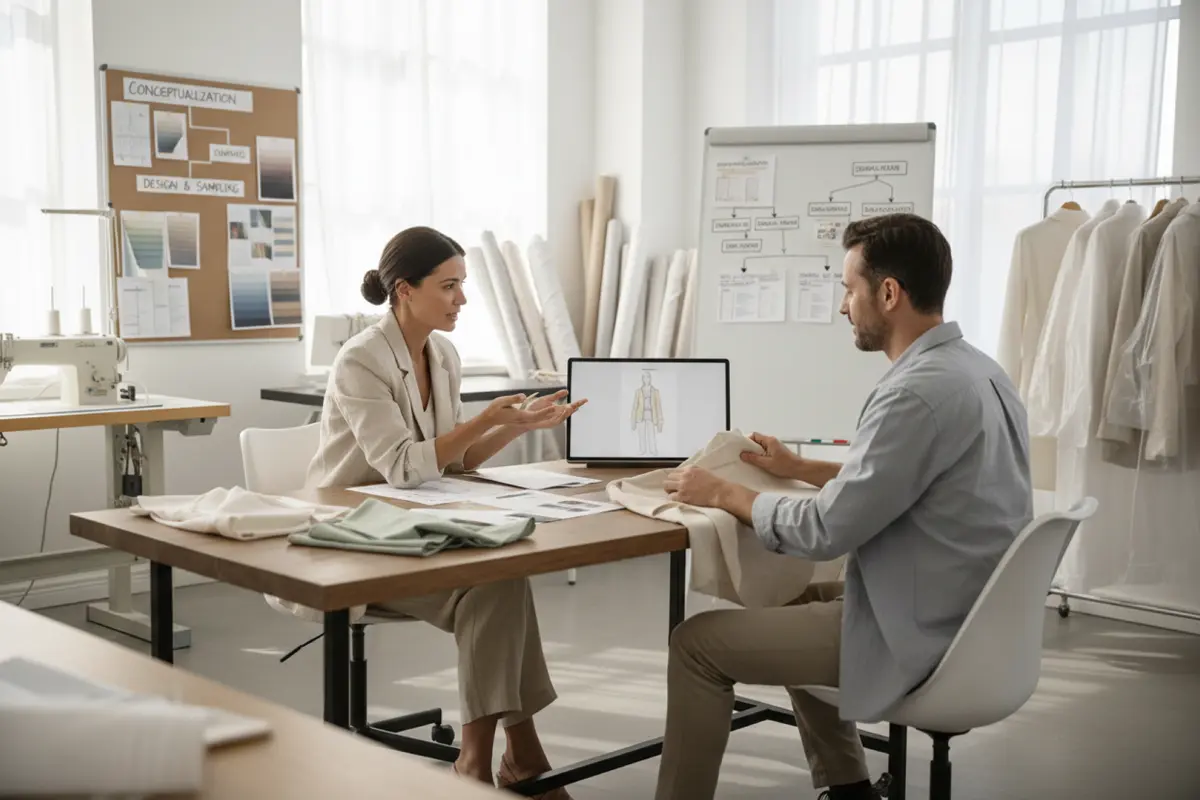
Marketing shapes how the world sees a brand. It blends creativity with strategy.
During marketing internships, an intern may:
- Draft captions for social media
- Support campaign planning
- Analyze engagement data each week
- Help organize fashion events
- Connect with influencers and partners
Marketing teams often prepare for events in New York and other global cities. Fashion event internships provide hands on experience in every aspect of event production, from marketing to onsite operations.
Interns at fashion events assist backstage for designers or stores. They help manage guest lists and support production teams. These events offer a powerful opportunity to network and explore different fashion careers.
Because marketing touches every department, you understand how the company communicates its culture, values, and innovation.

Work Experience in Retail and Visual Merchandising
Retail remains one of the strongest entry points into the industry. Many students start here while in college.
As a retail intern or assistant, you may:
- Support customers on the shop floor
- Organize stock and displays
- Monitor product performance each week
- Deliver feedback to the team
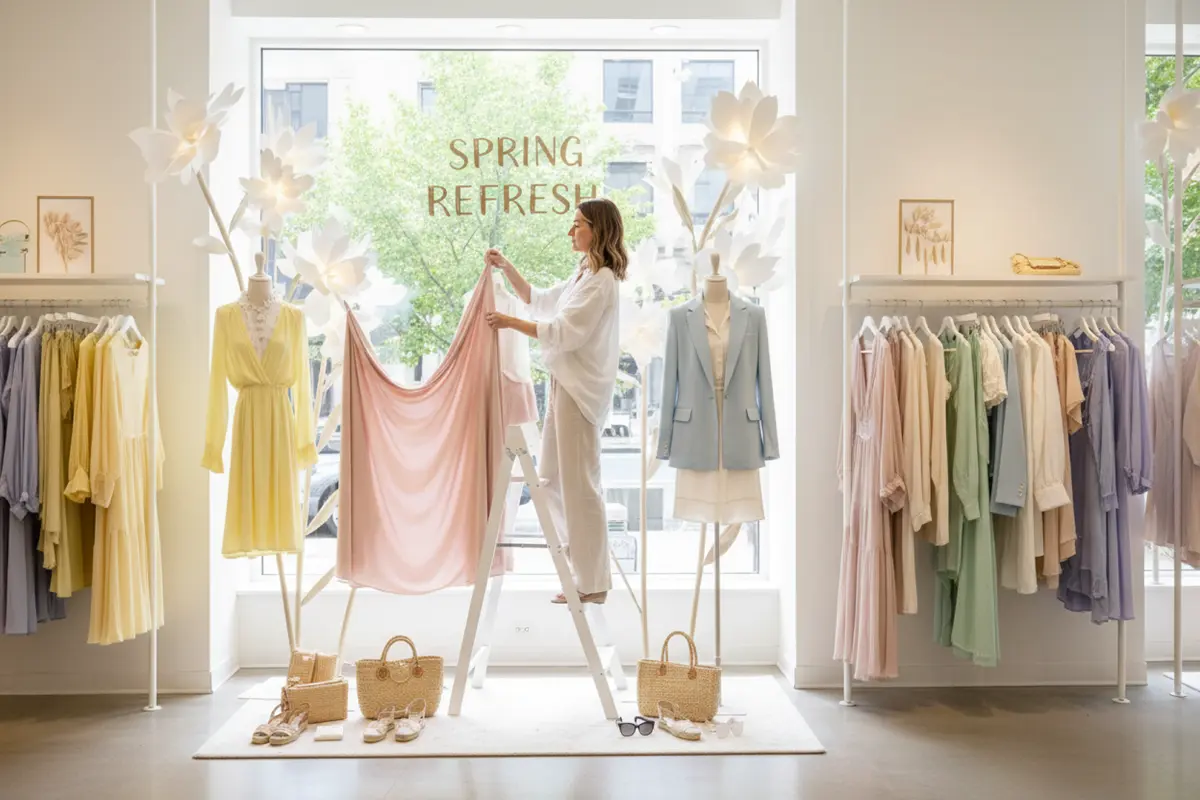
Visual merchandising interns focus on style presentation. They create window displays and maintain brand consistency.
Retail offers hands on experience with customer behavior. You see which designs sell. You understand price sensitivity. This knowledge supports future jobs in buying, marketing, or leadership roles.
For students unsure about their path, retail internships provide a clear sense of how the industry operates at ground level.
Work Experience in Fashion Supply Chain and Sustainability
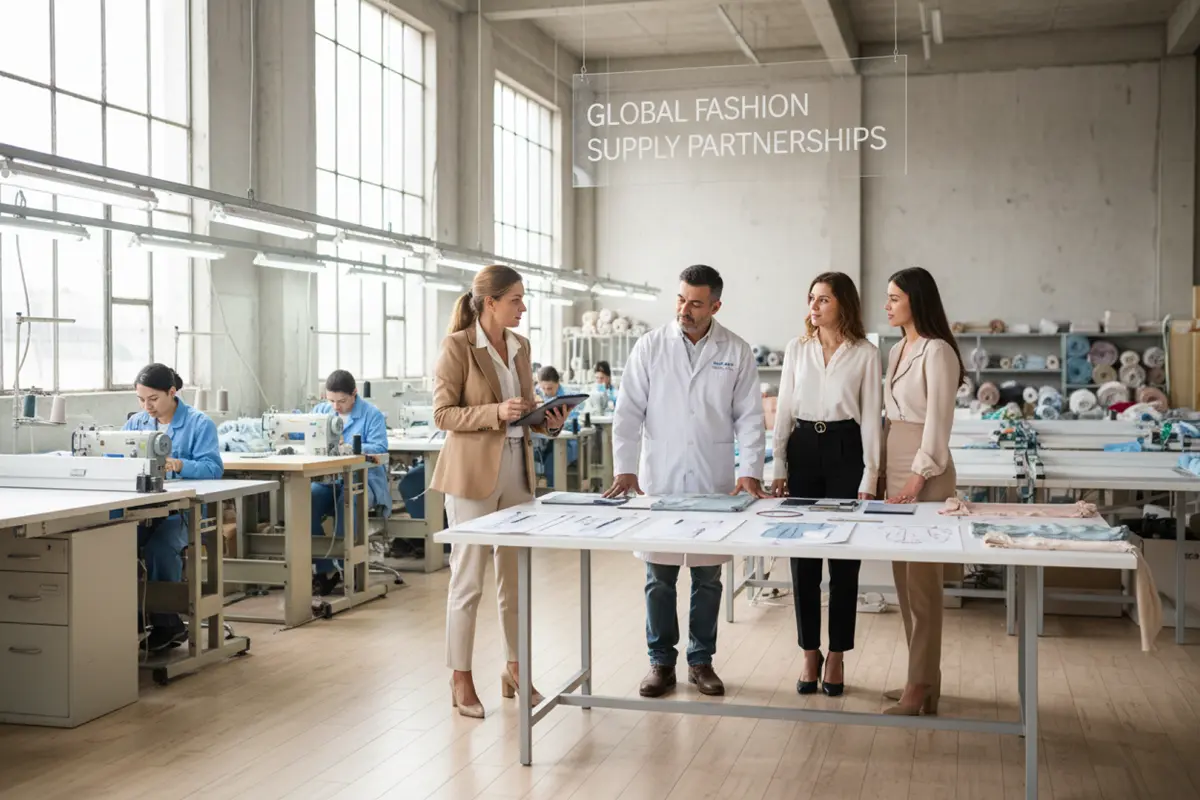
Supply chain roles manage logistics across the world. They ensure products move from factory to store on time.
In this internship program, you may:
- Track shipments weekly
- Update inventory systems
- Connect with global suppliers
- Support planning and distribution
Sustainability also plays a growing role in fashion. Sustainable fashion internships focus on reducing environmental impact. Some interns volunteer in charity retail stores to understand sustainability in action.
This type of work experience teaches how the industry adapts to global challenges. It also builds confidence in problem solving and coordination.
Industry Insights and Trends
The fashion industry never stands still. Each season brings new trends, technologies, and ways of thinking that shape the future of fashion. Staying informed about industry insights and trends is key for anyone looking to build a successful career, whether your interests lie in fashion design, retail, or marketing.
Sustainability is one of the most exciting developments in recent years, with brands and designers exploring innovative ways to reduce environmental impact and create lasting change. Digital marketing and social media have also transformed how fashion connects with audiences, opening up new opportunities for creative expression and brand storytelling.
By keeping up with these changes, you can discover new interests and explore different career paths within the industry. Whether you’re passionate about the latest styles, eager to understand consumer behavior, or interested in the business side of fashion, there’s always something new to learn and experience. Embracing these trends will help you stay competitive and inspired as you shape your future in the fashion world.
Common Misconceptions About Internships in Fashion
Many students enter internships with unrealistic expectations.
Myth 1: Internships are only glamorous.
In reality, most work involves detailed tasks and support duties.
Myth 2: Education matters more than experience.
In the fashion industry, practical experience often matters more than grades.
Myth 3: Interns only make coffee.
Most companies assign real responsibility and meaningful projects.
Internships vary in pay and structure. Some internship opportunities are paid. Others offer college credit through cooperative programs. Cooperative Work Experience Education allows students to earn credit while working paid jobs or volunteer roles.
Preparation makes a difference. A strong portfolio shows your creative skills. A clear resume highlights experience and interests. Before interviews, research the brand and its culture. Interviews allow both the intern and the company to decide if the role is a good fit.
What You Learn From an Internship Program
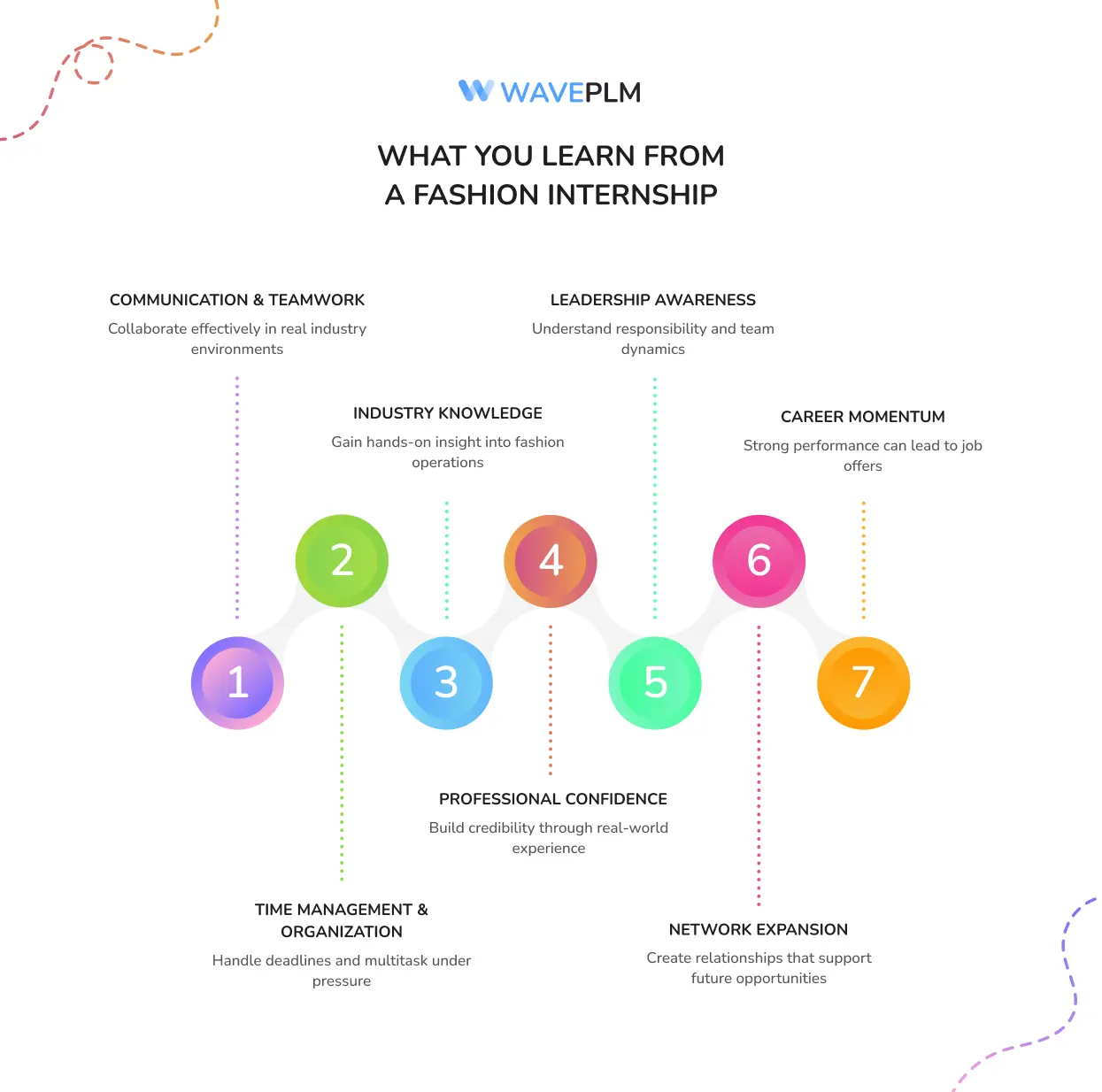
Every internship program builds essential skills. Interns at fashion events may have the chance to work with world-class talent and innovative art.
You develop:
- Communication and teamwork
- Time management and organization
- Industry specific knowledge
- Professional confidence
- Leadership awareness
Internships play a key role in fostering growth, development, and support for students as they prepare for their future careers.
You also expand your network. Building relationships during internships can shape your future. Many interns receive job offers after completing their program.
Successful interns often share similar traits. They stay curious. They prepare carefully. They show passion for fashion. They remain persistent.
Over time, this growth helps students discover where they truly belong in the industry.
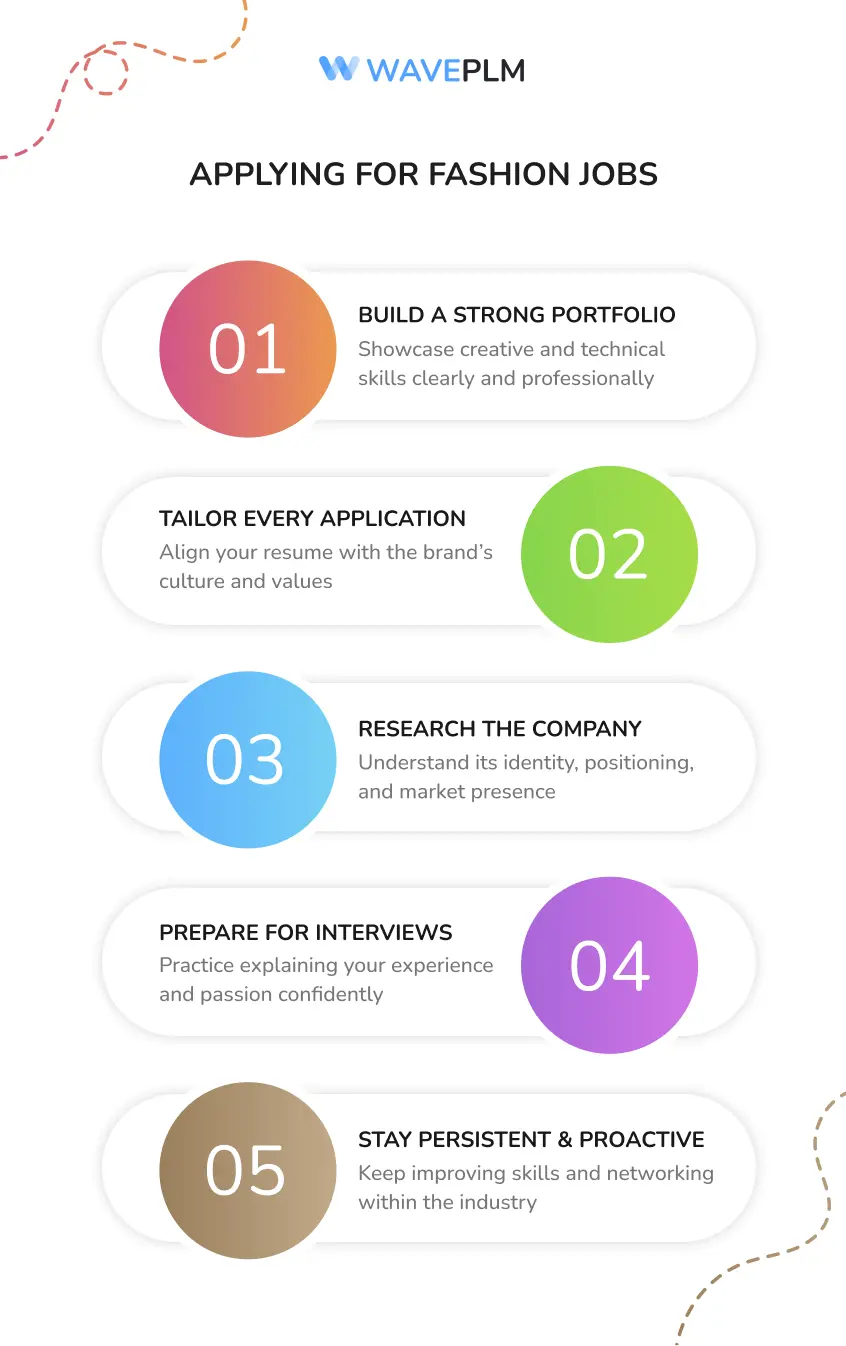
Applying for Jobs in Fashion
Preparation makes all the difference when applying for internships. Landing a job in fashion can be both exciting and challenging. The industry is competitive, but with the right preparation, you can stand out and make a strong impression. Start by building a portfolio and resume that highlight your unique skills, hands on experience, and passion for fashion.
Tailor your application materials to showcase your understanding of the company’s culture and values, demonstrating why you’re a good fit for their team. A well-curated portfolio is essential for showcasing technical and creative skills to potential employers.
Research is essential — learn as much as you can about the company, its brand, and its place in the industry. Practice your interview skills so you can confidently discuss your experience, knowledge, and enthusiasm for the role. Whether you’re applying for internships or full-time jobs, persistence and a proactive attitude will help you overcome challenges and move closer to your career goals.
Remember, every application is an opportunity to learn and grow. Stay passionate, keep developing your skills, and don’t be afraid to reach out and connect with others in the industry. Your dedication and preparation will set you apart in the world of fashion jobs. Your resume should be concise and easy to navigate when applying for internships.
How Internships Shape Your Fashion Journey
Your fashion journey rarely follows a straight line. Internships help you explore different departments before choosing a long-term career. For example, fashion event internships can take place in top fashion markets like New York, Paris, and Los Angeles.
Ask yourself after each internship:
- Which task excited me most each week?
- Did I prefer creative or analytical work?
- Did I enjoy working with customers or behind the scenes?
Use this reflection template:
| Area | Notes |
|---|---|
| Favorite Projects | |
| Skills Developed | |
| Industry Interests | |
| Future Career Direction |
This reflection turns short term work experience into long term clarity.
Internships act as a gateway into the fashion world. They provide hands on experience, industry insight, and professional connections. They prepare students for real jobs and long term growth.
If you feel passionate about fashion, start your search early. Explore internship opportunities in New York or other fashion capitals. Join a company that aligns with your interests. Apply today and take your first step toward a meaningful career in fashion.
Remember, work experience in fashion is not only about tasks. It is about learning, connecting, and shaping your future in a dynamic global industry.
Conclusion and Next Steps
Internships are a great opportunity to gain hands on experience, build relationships, and develop essential skills in the fashion industry. By following the advice in this guide, you can take meaningful steps toward a successful career in fashion design, marketing, or retail. Stay curious, be proactive, and embrace every chance to explore new interests and discover your strengths.
Now is the perfect time to apply today and take your first step into the exciting world of fashion. Join a community of passionate students and professionals who are shaping the future of the industry. Whether you’re just starting out or looking to advance your career, there are countless opportunities to learn, grow, and make a difference.
Remember, your fashion journey is unique. With the right mindset, skills, and support, you can achieve your goals and build a rewarding career. Explore, connect, and join the vibrant world of fashion—your future starts now!


Leave a Reply